
Main Courses
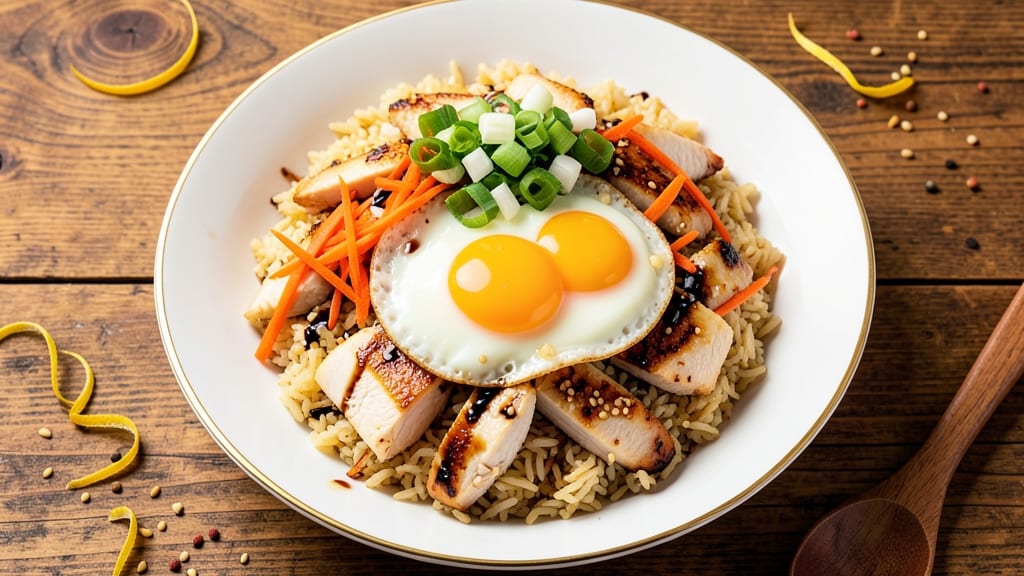
Watch this Chinese fried rice recipe video to master the art of wok-heated crunch and eggy richness, transforming simple ingredients into a restaurant-worthy dish. The secret lies in high-heat stir-frying and precise seasoning—techniques that create the signature smoky aroma and tender texture.
This recipe delivers authentic flavor with a foolproof method, ensuring every bite has that satisfying crunch and savory depth.
With just 15 minutes of active cooking, you'll learn how to properly preheat your wok, cut ingredients into uniform pieces, and balance soy sauce, sesame oil, and a touch of sugar for that classic umami-sweet harmony.
The key? Stir-frying in batches to maintain even cooking and prevent sogginess, while scrambled eggs add protein and richness. This isn't just fried rice—it's a wok technique lesson that elevates home cooking.
Ingredients for chinese fried rice recipe video
Mastering Chinese fried rice starts with these 13 essential ingredients, each playing a role in the crunch and umami harmony.
| Ingredient | Amount | Notes |
|---|---|---|
| Day-Old Cooked White Rice 🍚 | 4 cups | Cold, preferably jasmine or long-grain |
| Large Eggs 🥚 | 3 whole | Room temperature, beaten |
| Day-Old Cooked Chicken Breast 🍗 | 1 ½ cups | Diced into 0.5-inch pieces |
| Carrots 🥕 | 1 cup | Julienned into matchsticks |
| Green Onions 🧅 | ½ cup | Thinly sliced, white and green parts |
| Fresh Garlic Cloves 🧄 | 6 cloves | Minced into fine paste |
| Light Soy Sauce 🍶 | ⅓ cup | Kikkoman preferred for balance |
| Sesame Oil 🫒 | 1 tbsp | Toasted, for aroma |
| Granulated Sugar 🍚 | 1 tbsp | White or brown |
| Vegetable Oil 🫒 | ¼ cup | High smoke point |
| Salt 🧂 | ¾ tsp | Diamond Crystal kosher |
| Fresh Ginger 🌿 | 1 tbsp | Finely grated, peeled |
| White Pepper 🌶️ | ½ tsp | Freshly ground |
The rice is non-negotiable—day-old, cold grains prevent mushiness. Jasmine rice from Trader Joe's or Lundberg Farms delivers the best texture, but any long-grain works. Chicken should be cooked the day before, diced uniformly to 0.5-inch pieces—this ensures even cooking and that signature bite. Fresh ginger and garlic get toasted in the wok first to build aromatic depth, so don't skip the 1-inch knob of ginger you'll peel and grate yourself. For the eggs, room temperature matters—cold eggs curdle in the wok.
No sesame oil? Toasted peanut oil works in a pinch, though it lacks the nutty aroma. Substitute chicken with diced tofu or shrimp, but adjust cooking time—seafood cooks in half the time of chicken. The sugar balances soy's saltiness; if you're avoiding it, 1 tsp honey or maple syrup works. For extra crunch, add 0.25 cup frozen peas at the end—no thawing needed. The carrots should be julienned into matchstick-thin strips for that restaurant-style presentation, but diced works too if you're short on time.
Store day-old rice in an airtight container for up to 3 days—it actually improves as it cools. Prep all veggies and proteins ahead; this dish comes together in 15 minutes once the wok is hot. The sesame oil separates when stored—just shake before using. Freeze portions for 3 months, but reheat gently to preserve texture. For leftovers, sprinkle a dash of soy sauce before storing to keep it moist.
Why You'll Love This Recipe
- One-Pan Magic: I swear by this—just toss everything into a hot pan, and boom, dinner’s ready. No dirty dishes piling up, no extra pots to wash. That crispy rice? Happens while you’re chopping the carrots and onions.
- Crispy-Creamy Balance: The secret’s in the eggs—scrambled just enough to stay tender, then folded into the rice for that perfect bite. Add the shredded chicken last, and suddenly, you’ve got texture, protein, and a punch of savory that hits the spot.
- Leftovers? No Problem: Between us, this recipe begs for seconds—and thirds. Make a big batch, and you’ll have lunch sorted for days. The rice stays great cold or reheated, and the chicken keeps its tenderness. (Yes, even on a Tuesday night.)
- Budget-Friendly Powerhouse: Day-old rice? Chicken thighs leftover from Sunday dinner? This dish turns scraps into a meal that feels fancy. Carrots and green onions stretch the flavors without breaking the bank. Honestly, it’s my go-to when I need to feed the family without stress.
Step-by-step instructions for wok-mastered crunch and eggy fusion
Master this wok technique to achieve restaurant-quality texture and flavor every time.
Prep Ingredients for Optimal Texture
Begin by breaking up the 4 cups day-old cooked white rice with your fingers, removing any clumps. Cold rice prevents mushiness and ensures proper searing. In a bowl, whisk together the 3 whole large eggs with 0.75 teaspoon salt and 0.5 teaspoon white pepper until fully combined. This seasoning will infuse the eggs with depth before they cook.
Julienne the 1 cup carrots into matchsticks and thinly slice the 0.5 cup green onions, separating the white and green parts. Finely grate the 1 tablespoon fresh ginger and mince the 6 cloves fresh garlic into a paste. These aromatics will form the flavor base of your dish. Keep all prepped ingredients within arm's reach for efficient cooking.
Create the Flavor Base in High Heat
Heat a wok or large skillet over high heat until it's smoking hot. Add 0.25 cup vegetable oil and swirl to coat the surface evenly. Toss in the 1 tablespoon finely grated ginger and 6 cloves minced garlic, cooking for 30 seconds until fragrant and just beginning to golden. The high heat ensures the aromatics release their essential oils without burning.
Add the 1 cup julienned carrots and stir-fry for 2 minutes until they soften slightly but retain their crunch. This partial cooking prevents them from becoming mushy during the main cooking phase. Here's where the real flavor magic happens—don't rush this step as the aromatics develop their full potential.
Cook the Chicken and Prepare the Egg Mixture
Push the vegetables to one side of the wok and add the 1.5 cups diced day-old cooked chicken breast. Cook for 2-3 minutes until the chicken is heated through and lightly browned. This reheating step ensures the chicken maintains its texture without drying out. Season with 0.33 cup light soy sauce and 1 tablespoon granulated sugar, stirring well to coat the chicken and vegetables.
In a small bowl, mix together 1 tablespoon toasted sesame oil with 1 tablespoon granulated sugar. This combination will add both nutty aroma and subtle sweetness to your fried rice. Keep this mixture nearby as you'll add it at the perfect moment during cooking.
Scramble the Eggs and Combine All Ingredients
Return the wok to high heat and pour in the seasoned egg mixture. Let it sit undisturbed for 10 seconds until the edges begin to set, then use a spatula to scramble quickly into soft curds. The eggs should be just set but still slightly runny in the center—this creates the signature "eggy" texture of Chinese fried rice. Remove the eggs from the wok and set aside temporarily.
Add the 4 cups broken-up day-old rice to the wok and stir-fry for 2 minutes, allowing the rice to absorb the flavors from the vegetables and chicken. This is where the magic happens—don't overcrowd the wok as this prevents proper searing. The rice should be hot but still slightly moist at this stage.
Finish with Perfect Texture and Flavor Balance
Return the scrambled eggs to the wok and toss everything together for 1-2 minutes until the rice is evenly coated and heated through. The eggs should melt into the rice, creating that signature "eggy" fusion we're after. Taste and adjust seasoning if needed—you might need a splash more soy sauce or a pinch of sugar to balance flavors.
Finish by sprinkling the 0.5 cup thinly sliced green onions over the top. The white parts should be scattered throughout while the green tops add a fresh finish. Serve immediately while the rice maintains its perfect texture and the aromatics are at their peak. This dish is best enjoyed fresh from the wok when all the elements are at their most vibrant.
Pro Tips For Making Chinese Fried Rice Recipe Video
- CRACK THE EGGS FIRST: Scramble the eggs in a separate pan until just set—soft, slightly runny curds that’ll melt into the rice. Dumping raw eggs into the wok with everything else guarantees a rubbery mess. I learned this the hard way after making fried rice that tasted like overcooked omelet shrapnel.
- DRIZZLE SOY SAUCE LAST: Toss the rice with oil, veggies, and chicken first, then pour the soy sauce over the finished dish. Adding it early turns your fried rice into a sad, watery glaze. My grandmother swore by this—yes, even if you’re impatient like me—and it actually makes the flavors sing instead of pool.
- SHRED CHICKEN SMALL: Cut the cooked chicken into ¼-inch strips, not chunks. Big pieces stay chewy and dry out while the rice crisps. I used to skip this, thinking it was extra work, but the texture difference is night and day—especially when the rice gets that perfect wok hei.
- USE COLD RICE: Grab that day-old rice straight from the fridge—no need to thaw it. The chill prevents mushiness, and the grains stay distinct. I was skeptical until I tried it: the rice absorbs flavors better and doesn’t turn to paste the second you stir. (Your future self will thank you.)
Regional styles of these flavors
Cantonese Classic
This is the most iconic version, originating from Guangzhou's bustling street food culture. The key here is using day-old rice (preferably jasmine) and keeping the ingredients simple but balanced.
I like to add a splash of Shaoxing wine (about 1 tbsp) when cooking the chicken for an extra layer of depth. The Cantonese style emphasizes high heat and quick stir-frying to maintain the rice's texture while developing a smoky aroma from the wok. 🔥
Sichuan Spicy Kick
For those who love heat, the Sichuan version transforms fried rice into a fiery experience. After the initial stir-fry, add 1 tbsp Sichuan chili bean paste and 1 tsp doubanjiang (fermented chili bean paste) to the wok. Finish with 1 tbsp chili oil and thinly sliced scallions.
The heat comes from la jiao (Sichuan peppercorns) that add a numbing sensation too. I recommend using Kikkoman light soy sauce for this version to balance the spice.
Hong Kong Style
The Hong Kong take on fried rice is all about crispy textures and bold flavors. Start by frying 1 tbsp lard (instead of vegetable oil) in the wok to create a rich base.
Add 1 tsp five-spice powder when cooking the chicken, and finish with a drizzle of dark soy sauce (about 1 tsp) for color and depth. Hong Kong-style fried rice often includes shrimp or pork floss for extra texture. Serve with a side of chili sauce for dipping.
Taiwanese Eggy Richness
Taiwanese fried rice is famous for its extra-eggy texture and sweet-savory balance. The secret is using 4 whole eggs (instead of 3) and adding 1 tbsp oyster sauce when cooking the chicken. After stir-frying, sprinkle 1 tsp sugar and 1 tsp white pepper over the rice before serving.
Taiwanese versions often include diced ham or sausage for added richness. The eggs should be soft and slightly runny in the center for that signature texture.
Malaysian Fusion
This regional twist incorporates Malaysian flavors like sambal oelek and coconut milk. After the initial stir-fry, add 1 tbsp sambal oelek and 2 tbsp coconut milk to the wok. Finish with thinly sliced red onions and cilantro.
Malaysian fried rice often includes peanuts for crunch. For extra richness, stir in 1 tbsp toasted coconut flakes at the end. This version is perfect for those who enjoy a sweet, spicy, and nutty flavor profile. 🌶️
Japanese Curry Fried Rice
While not traditional, this Japanese-inspired variation is a crowd-pleaser. After cooking the rice, set aside 1 cup and mix it with 1 cup Japanese curry roux (like S&B Golden Curry) and 2 tbsp water to make a paste. Spread this mixture over the remaining rice and fold gently.
Garnish with thinly sliced scallions and sesame seeds. The curry adds a creamy, slightly sweet dimension that pairs beautifully with the smoky wok flavors. Serve with a side of pickled ginger for balance.
Nutrition facts
Frequently asked questions
Why does my Chinese fried rice turn out mushy?
Mushy fried rice usually happens from using fresh rice or overcrowding the wok. Always use day-old cold rice—it absorbs flavors better and stays separate. Also, cook in batches if needed to maintain high heat and prevent steaming. The wok should be hot enough to sizzle when ingredients hit the surface!
Can I make Chinese fried rice without a wok?
A heavy-bottomed skillet or cast-iron pan works perfectly. The key is maintaining high heat and using enough oil to create a non-stick surface. Stir-fry in batches and keep moving ingredients constantly to achieve that signature texture. A wok gives better heat distribution, but a good skillet can still deliver great results.
What's the secret to getting that perfect eggy texture?
The magic lies in timing and temperature. Scramble the eggs on high heat until they're just set but still slightly runny (10 seconds undisturbed), then remove them temporarily. When you add them back to the rice, the residual heat will create those signature soft curds. Room-temperature eggs also scramble more evenly—never use cold eggs straight from the fridge!
How can I make this dish vegetarian?
Swap the chicken for diced tofu or mushrooms (shiitake works best). For extra umami, add 1 tbsp vegetarian oyster sauce or 1 tsp miso paste when cooking. Keep the egg quantity the same—it adds richness that tofu alone can't match. You might also want to add 0.25 cup frozen peas for color and texture.
Can I make Chinese fried rice ahead of time?
Freshly made fried rice is always best, but you can prep components ahead: cook the rice the day before, chop all veggies, and store proteins separately. Reheat in the wok over high heat for 3-4 minutes with a splash of soy sauce to revive the texture. For leftovers, store in an airtight container for up to 3 days, but plan to reheat it quickly to maintain that crispy quality.