
Main Courses
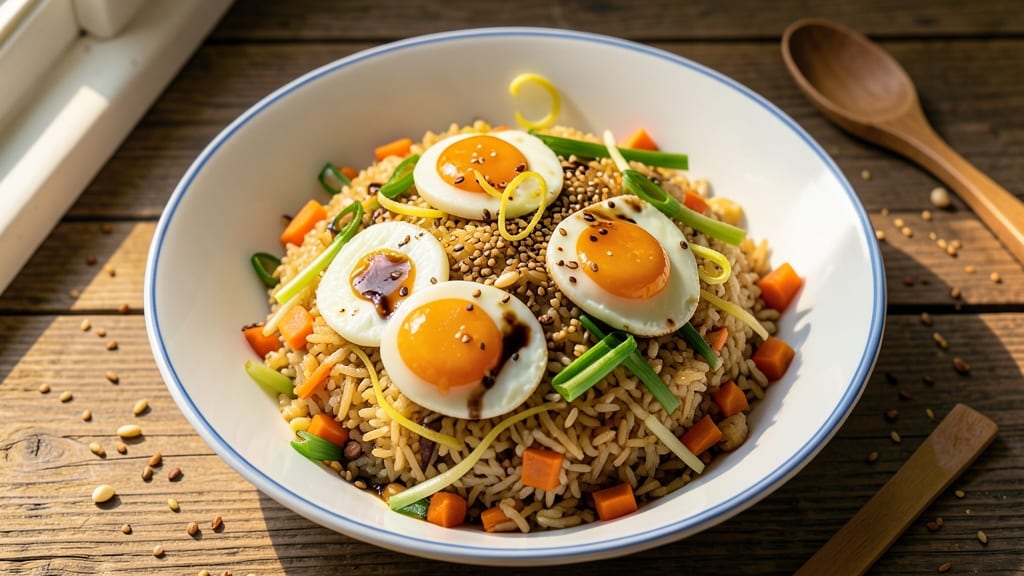
This Chinese house fried rice recipe transforms leftover rice into a restaurant-quality dish with wok-fired crunch and perfectly scrambled eggs. The secret lies in high-heat stir-frying and a balance of soy sauce, sesame oil, and aromatic vegetables that create layers of flavor in every bite.
I've perfected this technique over years of home cooking, ensuring each grain stays distinct and the texture remains crisp-tender.
What sets this recipe apart is the eggy protein fusion—soft, custardy eggs that blend seamlessly with the rice while adding richness. The wok method delivers that signature smoky aroma and caramelized edges that make fried rice irresistible.
With just 15 minutes of active cooking, you'll have a satisfying, customizable meal that's perfect for lunch or dinner. The key is proper prep: chilled rice, prepped ingredients, and a hot wok ready to go.
Ingredients for chinese house fried rice
Transform leftover rice into restaurant-quality fried rice with these essential ingredients.
| Ingredient | Amount | Notes |
|---|---|---|
| Day-Old Cooked White Rice 🍚 | 4 cups | Cold, preferably day-old |
| Large Eggs 🥚 | 4 whole | Room temperature for custardy texture |
| Carrots 🥕 | 1 cup | Finely diced, small pieces |
| Fresh Ginger 🧄 | 1 tbsp | Minced, peeled |
| Green Onions 🧅 | ½ cup | Thinly sliced, white and green parts |
| Garlic Cloves 🧄 | 4 cloves | Minced, aromatic |
| Light Soy Sauce 🥢 | ⅓ cup | Kikkoman preferred |
| Dark Soy Sauce 🥢 | 1 tbsp | For color depth |
| Sesame Oil 🫒 | 1 tbsp | Toasted, for aroma |
| Vegetable Oil 🫒 | ½ cup | High smoke point |
| Salt 🧂 | 1 tsp | Diamond Crystal preferred |
| Black Pepper 🌶️ | ½ tsp | Freshly ground |
| White Pepper 🌶️ | ¼ tsp | For subtle heat |
The rice must be day-old and cold—freshly cooked rice turns mushy under high heat. Day-old jasmine or basmati works best, with jasmine offering a fragrant aroma. For the eggs, room temperature is critical for that perfect custardy texture. Kikkoman soy sauce is the gold standard for light soy, while dark soy adds the signature rich color. Fresh ginger and garlic should be minced finely for even distribution of flavor. Prep all vegetables before starting—this is a wok dish, and every second counts. High-quality sesame oil from Trader Joe's or Penzeys delivers that nutty aroma without overpowering.
No light soy sauce? Substitute with 3 tablespoons of regular soy sauce plus 1 teaspoon of sugar—it won't be identical, but it works in a pinch. Fresh ginger too spicy? Use half the amount of powdered ginger, but know it lacks the same depth. The dark soy sauce can be omitted if unavailable, though the dish will lack its signature color. For extra protein, add diced chicken or shrimp—just cook it separately first. Vegetables can be swapped: bell peppers, peas, or corn add sweetness, while mushrooms bring umami. Pre-cut frozen veggies are fine, but drain them well to avoid soggy rice.
Store cooked fried rice in an airtight container for 4-5 days in the fridge—it reheats beautifully. For longer storage, freeze portions for up to 3 months. The flavor actually improves overnight as the soy sauce and sesame oil mellow. I portion mine into single-serving containers for quick lunches. If making ahead, skip the sesame oil until reheating—add it fresh to preserve that toasty aroma. The eggs should be scrambled just until set; overcooking makes them rubbery, which defeats the whole purpose of the 'eggy protein fusion.'
Why You'll Love This Recipe
- Uses Leftover Rice: Honestly, I never throw out cold rice again—this recipe turns it into something better than takeout. The grains get that perfect chewy-crisp texture when stir-fried, and the eggs cling to them like a hug. (Yes, even on a Tuesday night.)
- One-Pan Magic: Minimal chopping required—just dice carrots, mince ginger, and slice green onions. Toss everything in one hot pan with a little oil, and let the wok hei (that smoky, charred flavor) work its magic. One sheet pan, one spatula, done.
- Ginger-Zing Kick: That fresh ginger? It’s the secret weapon—bright, punchy, and lingers just enough to wake up every bite. The green onions add a sharp finish, and the eggs? Creamy-yolk perfection that makes this dish ridiculously satisfying.
- Budget Superstar: Eggs, rice, carrots—basic pantry stuff that won’t break the bank. I make this for lunch all week, and it still feels like a special meal. (My daughter picks out the carrots, but still asks for seconds.)
Step-by-step instructions for Chinese house fried rice
Master the wok technique and you'll achieve that perfect balance of crispy rice, tender egg, and aromatic vegetables.
Prepare the Base Ingredients
In a large bowl, combine the 4 cups day-old cooked white rice with the 1 cup finely diced carrots, 0.5 cup sliced green onions, and 4 cloves minced garlic. This pre-mix ensures even distribution of vegetables throughout the dish. The day-old rice is crucial—fresh rice releases too much moisture and creates a mushy fried rice.
In a separate bowl, whisk together the 4 whole large eggs with 1 tsp salt, 0.5 tsp black pepper, and 0.25 tsp white pepper. The eggs should be at room temperature for a silky texture. I like to add a splash of water here—just 1 tablespoon—to create a custardy consistency that holds together beautifully when scrambled.
Create the Flavor Foundation
Heat a 14-inch wok or large skillet over high heat until it's screaming hot. Add 0.5 cup vegetable oil and swirl to coat the entire surface. The oil should shimmer but not smoke—this is your signal it's ready. Add the 1 tbsp minced fresh ginger and stir for 30 seconds until fragrant.
Pour in the 0.33 cup light soy sauce and 1 tbsp dark soy sauce, stirring constantly to deglaze the pan. The dark soy sauce will give your fried rice that signature deep brown color while adding umami depth. Let the sauce simmer for 1 minute until it reduces slightly and coats the wok evenly.
Scramble the Eggs Perfectly
Push the sauce mixture to one side of the wok, creating space in the center. Pour in the egg mixture and let it sit undisturbed for 5 seconds—this allows the eggs to set slightly on the bottom. Using a spatula, gently scramble the eggs in small motions, folding them over themselves until they reach a soft curd consistency with no liquid egg remaining.
Remove the scrambled eggs from the wok and set aside. The eggs should be moist but not wet, with visible curds that hold their shape when pressed. This is the perfect texture for house fried rice—neither too soft nor too dry.
Wok-Fry the Rice Mixture
Return the wok to high heat and add the pre-mixed rice and vegetable combination. Stir-fry vigorously for 3-4 minutes, breaking up any rice clumps and working quickly to create that signature wok-fried texture. The rice should turn golden brown in spots and develop a slightly crispy exterior.
After 2 minutes, add the 1 tbsp sesame oil and toss everything together. The sesame oil will infuse the rice with its nutty aroma while preventing the dish from drying out. Taste and adjust seasoning—you may need to add an extra ½ teaspoon light soy sauce if the rice isn't flavorful enough.
Combine and Finish
Return the scrambled eggs to the wok and gently toss everything together for 1-2 minutes until the eggs are evenly distributed and heated through. The final dish should have crispy rice edges, tender egg curds, and vibrant vegetable pieces throughout. If the rice seems dry, add 1-2 tablespoons water and stir-fry for another 30 seconds to restore moisture.
Serve immediately while still hot and sizzling. The fried rice should have a perfect balance of textures—crispy rice, soft eggs, and tender vegetables—all coated in a savory-sweet sauce. Each bite should deliver a symphony of flavors with the umami from soy sauces, the freshness of green onions, and the subtle heat from white pepper.
Pro Tips For Making Chinese House Fried Rice
- USE COLD RICE: Break up the day-old rice with your hands first—it’s drier and less sticky, so it fries up properly instead of clumping into a sad, gluey mess. I learned this the hard way after making a batch that looked like rice porridge. Spread it on a tray to cool faster if you’re in a hurry, but don’t skip the day-old rule.
- SCRAMBLE EGGS LOW AND SLOW: Push the eggs to one side of the wok after they start setting, then tilt the pan to let the uncooked egg flow underneath. This creates soft, custardy curds instead of rubbery chunks—exactly how it should look in proper fried rice. High heat later will crisp them up just enough.
- JULIENNE CARROTS THIN: Thin strips (about 1/8-inch wide) cook faster and stay crisp-tender, while thick matchsticks turn mushy before the rice is done. My grandmother swore by this, and she was right: the carrots should add color and a slight crunch, not turn into rice camouflage.
- SALT THE RICE AFTER FRYING: Taste the rice after it’s fried and add soy sauce or salt then—it’s already absorbed moisture from the wok and will season more evenly. I used to dump salt in early, and the rice always came out bland or overly salty in patches. A splash of sesame oil at the end ties everything together.
Common mistakes when making your chinese house fried rice
Overcrowding the Wok
One of the biggest mistakes is overloading your wok with too much rice at once. When you pack in 4 cups of rice all at once, the heat can't distribute evenly, leading to steamed rice instead of crispy, wok-fried perfection.
I learned this the hard way—my first attempt turned out soggy. Instead, work in 2 batches if needed, keeping the wok hot between additions. The goal is to get those golden brown spots on every grain, not just the edges. 🔥
Skipping the Day-Old Rice
Freshly cooked rice is too moist and will turn mushy under high heat. Using day-old jasmine or basmati rice is non-negotiable—it absorbs the flavors better and holds its shape. If you only have fresh rice, spread it on a baking sheet and refrigerate for 1-2 hours to dry it out.
I keep a separate batch of rice just for fried rice to avoid last-minute scrambling.
Undercooking the Eggs
Many people rush the egg scrambling, resulting in rubbery, overcooked eggs that ruin the dish. The eggs should be soft and custardy, not dry or crumbly. Let them sit undisturbed for 5 seconds before stirring, and keep the heat at medium-high.
Overcooking releases moisture, which can turn your fried rice into a sad, sticky mess. I use a spatula with small holes to fold the eggs gently for that perfect texture.
Not Using Enough Oil
A common mistake is using too little oil, which prevents the rice from getting crispy. You need 0.5 cup vegetable oil to create enough surface area for the rice to develop those coveted caramelized edges.
If your wok isn't hot enough, the oil will steam instead of shimmer. I heat my wok until it's smoking slightly before adding oil—this ensures proper searing. Too little oil = bland, sticky rice.
Adding Soy Sauce Too Late
Pouring soy sauce at the end dilutes the flavors and doesn't let them develop properly. The sauce needs to simmer and reduce for 1 minute to create a glossy, concentrated coating.
I add it right after the ginger and let it bloom on the wok's surface before introducing any other ingredients. This builds layers of flavor that make the difference between good and restaurant-quality fried rice. 💫
Ignoring the Sesame Oil Finish
Many recipes call for sesame oil at the end, but some cooks skip it to save time. That's a mistake—1 tbsp toasted sesame oil adds that signature nutty aroma and prevents the dish from drying out.
Add it after the rice is mostly cooked, then toss everything together. I use Trader Joe's or Penzeys sesame oil for maximum flavor impact. Skipping it leaves your fried rice flat and one-dimensional.
Nutrition facts
Frequently asked questions
Why does my fried rice turn out mushy instead of crispy?
Using fresh rice is the #1 culprit—it releases too much moisture under high heat. Always use day-old jasmine or basmati rice that's been chilled. If you only have fresh rice, dry it on a baking sheet for 1-2 hours first. Also ensure your wok is properly heated before adding oil—it should be smoking slightly to create those crispy edges.
Can I make this with frozen vegetables?
Yes, but drain them completely and pat dry with a paper towel to remove excess moisture. Frozen peas and corn work well, while frozen carrots should be thawed and dried first. The key is preventing soggy rice—extra moisture ruins the texture. For best results, use fresh veggies that are finely diced and prepped ahead.
What's the best way to reheat leftover fried rice?
Reheat in a wok or skillet over medium-high heat with just 1 teaspoon vegetable oil and 1 tablespoon water. Stir constantly for 2-3 minutes until hot through. For extra flavor, add a splash of light soy sauce. Microwaving works but creates a rubbery texture—always reheat with a little oil and moisture to restore crispiness.
How can I add protein without ruining the texture?
Cook protein separately first—chicken, shrimp, or tofu should be fully cooked and drained before adding to the wok. For shrimp, use 1 cup pre-cooked and chilled. Add protein after the rice is mostly cooked, then toss everything together for 1 minute to heat through. Too much protein can make the rice soggy, so keep portions balanced.
What's the secret to the perfect egg texture?
The magic happens with room temperature eggs and a 5-second rest before stirring. Whisk eggs with 1 tablespoon water for custardy texture, then scramble on medium-high heat until just set—no liquid should remain. Remove eggs from the wok immediately after scrambling to prevent overcooking. The eggs should be soft, moist curds that blend beautifully with the rice.