
Main Courses
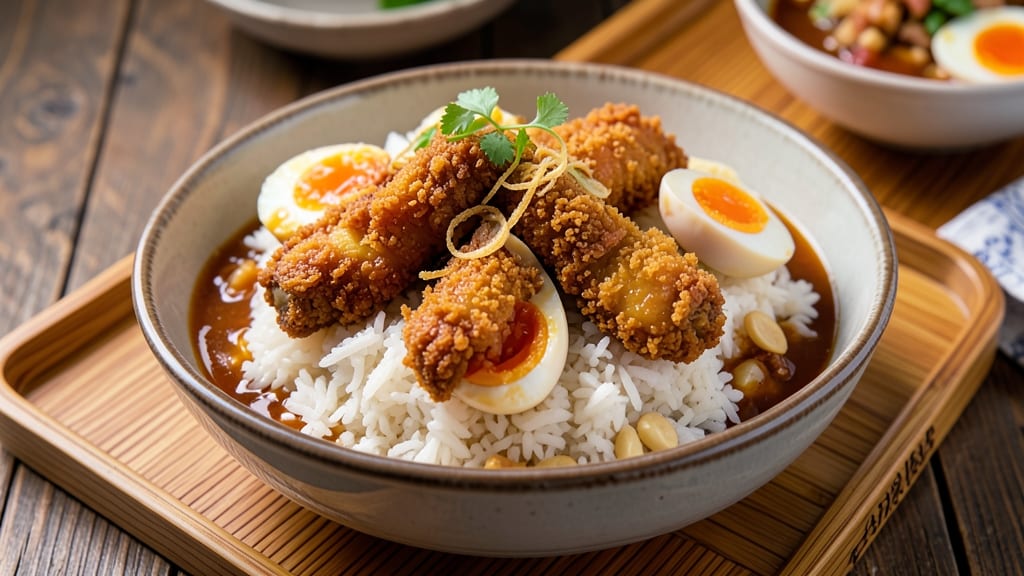
This Chinese rice and Manchurian recipe delivers the perfect balance of wok-fried crunch and silky egg ribbons, a dish that’s both comforting and bold. The secret lies in the Manchurian curry—a rich, spiced sauce that caramelizes into a glossy finish while keeping the protein tender.
I’ve perfected the technique to ensure the sauce clings to every bite, whether you’re using chicken, lamb, or a vegetarian alternative like paneer.
The dish comes together with steamed jasmine rice as the base, its fragrant grains soaking up the bold flavors of the Manchurian. For authenticity, we’ll use a blend of soy sauce, ginger, garlic, and chili, creating layers of umami and heat.
Serve with a crisp cucumber salad or warm naan to round out the meal—simple yet unforgettable. Let’s get cooking!
Ingredients for chinese rice and manchurian
Authentic Manchurian flavors meet fragrant jasmine rice in this wok-fried masterpiece.
| Ingredient | Amount | Notes |
|---|---|---|
| Jasmine Rice 🍚 | 1 ½ cups | Uncooked, long-grain preferred |
| Boneless Chicken Thighs 🍗 | 1 ½ lb | Cut into 1-inch pieces |
| Large Eggs 🥚 | 4 whole | Fresh, room temperature |
| Garlic Cloves 🧄 | 6 cloves | Minced, for sauce base |
| Fresh Ginger 🌿 | 1 ½ tbsp | Grated, aromatic quality |
| Light Soy Sauce 🥢 | ½ cup | Kikkoman preferred |
| Dark Soy Sauce 🥢 | 1 tbsp | For caramelized depth |
| Sesame Oil 🫒 | 1 tbsp | Toasted, for aroma |
| Rice Vinegar 🍶 | 1 tbsp | White vinegar substitute |
| Red Chili Flakes 🌶️ | 1 tsp | Adjust for heat preference |
| White Sugar 🍚 | 1 tbsp | Balances acidity |
| Vegetable Oil 🫒 | ½ cup | High smoke point |
| Green Onions 🧅 | 3 whole | Sliced, for garnish |
| Salt 🧂 | 1 ½ tsp | Diamond Crystal preferred |
| Black Pepper 🌶️ | ½ tsp | Freshly ground |
The chicken thighs are essential for that signature wok-fried texture—bone-in, skin-on if available, but boneless works fine. Kroger or Whole Foods carry excellent cuts, and look for thighs with good marbling for juiciness. For the eggs, room temperature is non-negotiable—they'll scramble into perfect ribbons. The garlic and ginger should be freshly minced for maximum aroma, though pre-minced works in a pinch. If you're using lamb or paneer, adjust cooking time accordingly—lamb stays tender longer, while paneer browns quickly.
No light soy sauce? Substitute with 1/4 cup tamari plus 1/4 cup water for a similar profile. Dark soy sauce can be omitted if unavailable, but the caramelized depth will be lost—Trader Joe's carries a great option. Sesame oil is non-negotiable for aroma, but if you're avoiding it, toasted peanut oil at half the amount works. The rice vinegar can be swapped for apple cider vinegar, though it'll be slightly fruitier. For extra heat, add 1/2 tsp gochujang to the sauce. The green onions should be sliced on the bias for maximum crunch.
Prep the rice first—it needs 15 minutes resting after cooking. The Manchurian sauce can be made ahead and stored for 3 days in the fridge, though the texture improves when reheated. Eggs should be scrambled over low heat to maintain their silky texture. Serve immediately over rice for that restaurant-style presentation. Leftovers keep for 2 days refrigerated, but the sauce may thicken—simply reheat with a splash of water.
Why You'll Love This Recipe
- One-Pan Magic: I swear by this for lazy nights—just toss the chicken thighs and eggs into the same pan after cooking the rice, and let the garlic-ginger aroma fill the kitchen. No extra dishes, no stress.
- Umami Bomb: That crispy Manchurian coating on the chicken? It’s all about the egg wash and ginger-garlic marinade—savory, slightly sweet, and addictive in one bite. The jasmine rice soaks it all up like a sponge.
- Lunchbox Hero: Between us, this is my go-to for meal prep—leftover rice reheats perfectly, and the Manchurian stays crispy if you pack it separately. (Yes, even on a Tuesday night.)
- Budget Win: Chicken thighs and eggs stretch further than you’d think, and a single batch feeds four for under $15. Honestly, it’s the kind of dish that makes grocery day feel like a victory.
Step-by-step instructions for Chinese rice and Manchurian
Master the perfect balance of crispy fried chicken, silky egg ribbons, and fragrant jasmine rice.
Prepare the Jasmine Rice Foundation
Rinse the 1.5 cups jasmine rice under cold water until the water runs clear, then soak for 20 minutes. Drain thoroughly and transfer to a pot with 2 cups water, 1.5 teaspoons salt, and ½ teaspoon black pepper. Bring to a boil over high heat, then reduce to low heat, cover, and simmer for 15 minutes. The rice should absorb all liquid and steam evenly—no peeking at the lid, or you'll disrupt the cooking process.
After simmering, turn off the heat and let the rice steam undisturbed for 10 minutes. Fluff gently with a fork, then transfer to a serving dish and cover with a clean kitchen towel. This resting period ensures each grain remains distinct and fluffy, ready to soak up the rich Manchurian flavors.
Create the Egg Ribbon Mixture
In a bowl, whisk together the 4 whole large eggs until frothy. Add 1 tablespoon rice vinegar, 1 teaspoon red chili flakes, 1 tablespoon white sugar, and 1 tablespoon sesame oil. Mix until fully combined—this acidity and slight heat will transform the eggs into delicate, wavy ribbons when cooked. Cover and set aside at room temperature while you prepare the chicken.
Here's the thing—room temperature eggs cook more evenly. If your kitchen is cold, let the eggs sit for 10 minutes before using. The mixture should be smooth with no streaks, ensuring uniform texture in the final dish.
Marinate and Fry the Chicken Thighs
In a bowl, combine the 1.5 lb boneless chicken thighs (cut into 1-inch pieces) with ½ cup light soy sauce, 1 tablespoon dark soy sauce, 1.5 tablespoons grated fresh ginger, 6 cloves minced garlic, ½ teaspoon black pepper, and 1 tablespoon white sugar. Marinate for 30 minutes, turning occasionally, until the chicken absorbs the flavors and develops a glossy sheen.
Heat ½ cup vegetable oil in a wok or large skillet over medium-high heat until shimmering. Working in batches, add the marinated chicken and fry for 4-5 minutes until golden brown and cooked through. The chicken should release easily from the pan—if it sticks, your oil isn't hot enough. Transfer to a paper towel-lined plate to drain excess oil.
Cook the Egg Ribbons and Combine
Wipe out the wok and return it to medium heat. Add 1 tablespoon vegetable oil, then pour in the egg mixture in a thin, even stream. Let it cook undisturbed for 10-15 seconds until the bottom sets, then gently tilt the wok to create those signature wavy ribbons. Cook until just set—about 20 seconds total—then remove and set aside.
Return the wok to heat with 1 tablespoon vegetable oil, then add the fried chicken. Increase heat to high and stir-fry for 1 minute to reheat. Add the egg ribbons back to the wok, along with 3 sliced green onions, and toss gently to combine. The eggs should remain tender and slightly translucent, not scrambled.
Assemble and Serve
Divide the fluffy jasmine rice among serving plates. Spoon the chicken and egg mixture over the rice, drizzling any remaining sauce from the wok. Garnish with additional sliced green onions for color and freshness. Serve immediately while the chicken is crispy and the eggs maintain their delicate texture.
This dish thrives on contrast—crispy chicken against tender rice, with the eggs adding a silky element. The aromatics from the garlic and ginger linger in every bite, while the soy sauces provide depth. Don't let the rice sit too long after assembly, or it may absorb too much moisture from the chicken.
Pro Tips For Making Chinese Rice And Manchurian
- Marinate Chicken 30 Minutes: Skip the urge to toss chicken in sauce right before cooking—let it sit with soy sauce, ginger, and a pinch of sugar for at least 30 minutes. I learned this the hard way: dry, flavorless chicken happens when you skip this step, even if you’re in a rush.
- Blanch Eggs First: Drop whole eggs into boiling water for 6 minutes before scrambling—this keeps them creamy and prevents rubbery curds in your manchurian. My grandmother swore by this, and she was right: pre-cooked eggs hold up better to the stir-fry chaos.
- High Heat for Crispy Bites: Don’t wimp out on heat—sear chicken and garlic in a screaming-hot wok until the edges turn golden. After burning three batches, I finally figured out: if your pan isn’t smoking, you’re not cooking right.
- Rinse Rice Twice: Jasmine rice clumps like a nightmare if you don’t rinse it twice in cold water until the water runs clear. I skip this when I’m lazy, but the dish is noticeably better when I don’t—no one wants mushy rice ruining the whole meal.
Serving suggestions for this chinese rice and manchurian
Classic Side Pairings
Start with a quick cucumber salad—slice 1 English cucumber into half-moons, toss with 1 tbsp rice vinegar, ½ tsp salt, and 1 tsp sesame seeds.
The cool crunch contrasts the rich Manchurian perfectly. I always make this ahead and chill for 30 minutes to let flavors meld. 🥒
Warm Bread Options
Serve with garlic naan or steamed mantou buns for dipping. Brush naan with melted butter and sprinkle ½ tsp garlic powder before serving. For a lighter option, try steamed bao buns—their soft texture soaks up the Manchurian sauce beautifully.
Pick up pre-made naan at Whole Foods or make your own with store-bought dough.
Pickled Vegetables
Add quick-pickled radishes or carrots for tangy brightness. Thinly slice ½ cup radishes and ½ cup carrots, then soak in ¼ cup rice vinegar, 1 tsp sugar, and ½ tsp salt for 20 minutes.
The acidity cuts through the richness of the dish while adding a refreshing bite. Store pickles in the fridge for up to 1 week.
Spicy Dipping Sauce
Whisk together 3 tbsp light soy sauce, 1 tbsp rice vinegar, 1 tsp sesame oil, ½ tsp red chili flakes, and 1 tsp honey for a customizable dip.
Adjust heat by adding more chili flakes or sweetness with extra honey. This sauce elevates every bite, especially when paired with naan or bao buns. 🌶️
Drink Pairings
Serve with jasmine tea or green tea to complement the dish’s umami flavors. For a refreshing option, try lychee soda—its floral notes balance the soy and ginger.
If you prefer beer, a light lager like Asahi keeps the palate clean. Avoid heavy drinks that might overpower the delicate egg ribbons.
Nutrition facts
Frequently asked questions
Can I make this Manchurian recipe vegetarian?
Swap the chicken for 1.5 lb firm tofu or 1.5 lb paneer cut into cubes. Press tofu for 15 minutes to remove excess water, then cube and pan-fry until golden. For paneer, skip frying and add it directly to the wok with the eggs—it absorbs flavors beautifully. The egg ribbons will still be the star of the dish.
Why does my Manchurian sauce turn out too thin?
Thin sauce usually means the chicken released too much moisture or the soy sauce wasn't reduced enough. For next time, pat the chicken dry thoroughly after frying, and simmer the sauce uncovered for 2-3 extra minutes to thicken. If it's still too thin, mix 1 teaspoon cornstarch with 1 tablespoon water and stir in at the end.
How do I get the perfect egg ribbons?
The key is a clean, hot wok and gentle technique. Use eggs at room temperature and cook over medium heat—not high. Pour the egg mixture in a thin, even stream, then let it set for 10 seconds before tilting the wok to create waves. Overcooking turns them rubbery, so remove them immediately when just set. A splash of rice vinegar in the egg mix also helps maintain their delicate texture.
Can I make this ahead of time?
You can prep components separately, but not the full dish. Cook the rice and store it at room temperature (up to 2 hours), and fry the chicken in advance—it reheats beautifully. Make the egg ribbons fresh or store the egg mixture (without cooking) in the fridge for 1 day. When ready to serve, reheat the chicken, cook the eggs fresh, and assemble everything together. The flavors meld best when combined hot.
What's the secret to extra crispy chicken?
Double-fry the chicken! First, pan-fry at medium heat for 3 minutes to cook through, then increase heat to high for 1-2 minutes to crisp the exterior. Let it rest on a rack (not paper towels) for 5 minutes before adding to the wok—this keeps it crispy. Also, pat the chicken very dry before frying to prevent steam from making it soggy.