
Main Courses
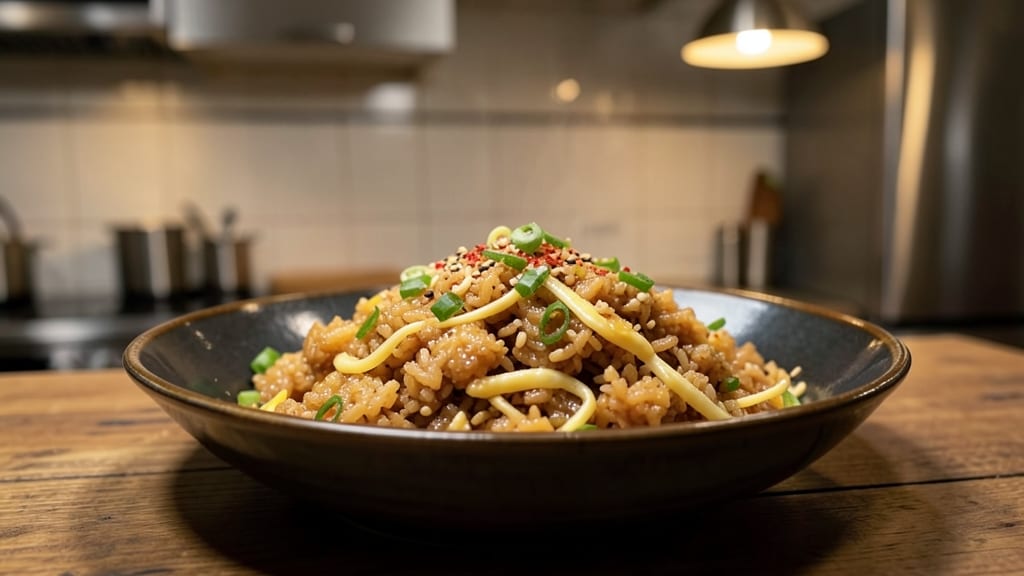
This Chinese rice food fusion recipe reimagines wok-tossed rice with silky egg ribbons and bold flavor bridges between cultures. The technique combines crispy stir-fry textures with delicate, melt-in-your-mouth egg strands—perfect for those craving something familiar yet exciting.
What makes it special is the fusion sauce: a balance of soy-garlic butter glaze that delivers umami depth with a creamy finish.
You'll achieve restaurant-quality results in under 30 minutes using simple ingredients like jasmine rice, eggs, and a fusion sauce that marries Chinese wok hei with Italian richness. The dish maintains authentic Asian flavors while introducing unexpected textures—think crispy rice edges meeting tender egg ribbons.
Ideal for weeknight dinners or fusion-focused gatherings, this recipe proves you don't need traditional boundaries to create memorable meals.
Ingredients for chinese rice recipe food fusion
Jasmine rice, eggs, and a fusion sauce blend wok hei with Italian richness for restaurant-quality fusion.
| Ingredient | Amount | Notes |
|---|---|---|
| Jasmine Rice 🍚 | 1 ½ cups | Uncooked, long-grain preferred |
| Large Eggs 🥚 | 4 whole | Room temperature for silky ribbons |
| Unsalted Butter 🧈 | 3 tbsp | European-style preferred |
| Low-Sodium Soy Sauce 🍶 | 2 tbsp | Kikkoman preferred for balance |
| Garlic Cloves 🧄 | 4 cloves | Minced, fresh preferred |
| Sesame Oil 🌿 | 1 tbsp | Toasted, for aroma |
| Vegetable Oil 🫒 | 2 tbsp | High smoke point for wok |
| Green Onions 🧅 | 3 whole | Thinly sliced, white and green parts |
| Fresh Ginger 🌿 | 1 tbsp | Finely grated, aromatic |
| White Wine Vinegar 🍋 | 1 tbsp | For brightness |
| Diamond Crystal Kosher Salt 🧂 | ½ tsp | Adjust to taste |
| Ground Black Pepper 🌶️ | ¼ tsp | Freshly ground |
| Toasted Sesame Seeds 🌾 | 1 tbsp | For garnish |
| Red Chili Flakes 🌶️ | ¼ tsp | Optional for heat |
The jasmine rice is the foundation—Day-O brand from Asian markets delivers that signature floral aroma. For the eggs, room temperature is non-negotiable—cold eggs produce rubbery ribbons. The butter matters here: European-style has higher fat content, creating that velvety glaze. Most grocery stores carry Kikkoman soy sauce, but Lee Kum Kee from Asian markets adds extra depth. Fresh ginger and garlic should be vibrant and aromatic—no dried substitutes here. The sesame oil? Toasted is key—untasted varieties lack that nutty punch.
No sesame oil? Avocado oil at half the amount works in a pinch, though it lacks the aroma. Substitute white wine vinegar with rice vinegar at equal measure for a more authentic Asian touch. The fusion sauce can handle vegetable broth instead of wine vinegar if you're avoiding acidity. For the rice, brown jasmine rice works but requires longer cooking. The green onions should be thinly sliced on the bias—this maximizes surface area for quick cooking. Red chili flakes can be swapped for gochugaru for a smoother heat.
Rice reheats beautifully—steam method preserves texture. Eggs should be cooked immediately after mixing with sauce to maintain silkiness. Store the sauce separately in the fridge for up to 5 days, but the rice is best eaten fresh. For meal prep, cook rice and sauce separately, then combine when ready to serve. Garnish with toasted sesame seeds just before eating—they lose crunch when stored.
Why You'll Love This Recipe
- One-Pot Magic: I swear by this—just rice, eggs, butter, and soy sauce in one skillet. No chopping, no fuss, and that golden crust on top? Pure reward.
- Garlic Butter Bliss: The moment melted butter meets minced garlic and jasmine rice? My mouth waters every time. It’s rich without being heavy, salty without being overpowering—just right.
- Lunchbox Hero: Between us, this keeps perfectly for days. Pack it cold for work or reheat it for dinner—same delicious texture, every time. My kids’ favorite, honestly.
- Budget Win: A handful of ingredients stretch to feed four (or two hungry teens). Eggs add protein, soy sauce brings depth, and butter makes it feel special—without breaking the bank.
Step-by-step instructions for wok-tossed crunch with silky egg ribbons
Master this fusion technique combining Chinese wok skills with Western egg ribbon perfection.
Prepare the Jasmine Rice Foundation
Rinse the 1.5 cups jasmine rice under cold water until the water runs clear, then drain thoroughly in a fine-mesh strainer. This removes excess starch that would make the rice gummy. Transfer the drained rice to a pot and add 3 cups water—the ratio should be 1:2 rice to water for perfect texture. Bring to a boil over medium-high heat, then reduce to a simmer, cover tightly, and cook for 15 minutes.
After 15 minutes, remove from heat and let it steam undisturbed for 10 minutes. The rice should absorb all the water and develop a fluffy, separate grain texture. Fluff gently with a fork before transferring to a serving dish. This steamed base will absorb the bold flavors of the wok-tossed topping while maintaining its delicate structure.
Create the Silky Egg Ribbon Mixture
In a medium bowl, whisk together the 4 whole large eggs until the yolks and whites are fully combined and the mixture is uniform in color. Add 0.5 teaspoon diamond crystal kosher salt, 0.25 teaspoon ground black pepper, and 1 tablespoon white wine vinegar, whisking constantly to incorporate. The vinegar adds brightness that cuts through the richness of the eggs.
Set the bowl over a pot of barely simmering water (double boiler method) and whisk gently for 3-4 minutes until the mixture reaches 160°F—just below the point where eggs begin to scramble. You'll see the mixture thicken slightly but remain pourable. Remove from heat and keep warm while you prepare the wok topping.
Build the Wok-Tossed Crunch Base
Heat a 14-inch wok or large skillet over high heat until smoking, then add 2 tablespoons vegetable oil and 1 tablespoon sesame oil. Swirl to coat the surface evenly. Add the 4 cloves minced garlic and 1 tablespoon finely grated fresh ginger, stirring constantly for 30 seconds until fragrant but not browned—this preserves their bright, aromatic qualities.
Add the 2 tablespoons low-sodium soy sauce and 0.25 teaspoon red chili flakes, tossing to combine. Immediately add the 3 whole thinly sliced green onions, tossing vigorously for 1 minute until they wilt slightly but remain vibrant. The high heat and constant motion create that signature wok-tossed texture while keeping the vegetables crisp-tender.
Combine Egg Ribbons with Wok-Tossed Topping
Working quickly, pour the warm egg mixture into the wok in a thin, even stream while tossing continuously with two heatproof spatulas. The residual heat from the wok will gently cook the eggs into delicate ribbons that cling to the wok-tossed vegetables. Cook for 1-2 minutes until the eggs are just set but still silky—not scrambled or rubbery.
Remove from heat and immediately stir in 3 tablespoons unsalted butter, allowing it to melt and coat everything evenly. The butter adds richness that balances the umami from the soy sauce and the brightness from the vinegar. Taste and adjust seasoning with additional soy sauce or salt if needed.
Assemble and Garnish for Presentation
Spoon the wok-tossed egg mixture over the steamed jasmine rice, spreading it evenly across the surface. The contrast between the fluffy rice and the textured egg-vegetable topping creates visual appeal and satisfying texture. Garnish immediately with 1 tablespoon toasted sesame seeds and any remaining green onion slices.
Serve immediately while the egg ribbons are still silky and the rice maintains its perfect texture. Each bite should deliver a harmonious blend of textures—crunchy wok-tossed vegetables, tender egg ribbons, and fluffy jasmine rice—with flavors that balance umami, brightness, and subtle heat.
Pro Tips For Making Chinese Rice Recipe Food Fusion
- Toast the Garlic First: I learned this the hard way—raw garlic in this fusion dish just tastes harsh. Mince those cloves super fine (almost paste-like) and cook them in butter until they’re golden and smell like heaven before adding anything else. That’s where the real flavor lives.
- Salt the Rice Water: Skip this, and your jasmine rice will taste bland no matter how much soy sauce you add later. Use half the rice-to-water ratio (1:1.5) and dissolve ½ teaspoon salt in the water before cooking. The rice absorbs it evenly—no aftertaste surprises.
- Scramble Eggs Low and Slow: High heat makes rubbery eggs that’ll ruin the texture of your fusion rice. Cook the eggs on medium-low in butter, stirring constantly until just set—think soft curds, not scrambled eggs. Fold them in at the very end so they stay creamy.
- Use Cold Butter: Sounds weird, but it works: cut that unsalted butter into chunks and let it sit in the fridge for 10 minutes before adding it to the rice. It melts slower, coating every grain evenly instead of pooling at the bottom. Your rice will taste richer without effort.
Common mistakes when making this dish
Overcooking the Rice
One of the biggest mistakes is letting the rice cook too long, which turns it mushy and gummy. The key is to remove it from heat exactly at 15 minutes and let it steam for 10 minutes off the stove.
I've ruined many batches by checking too often or leaving it on the burner beyond the recommended time. The rice should be tender but still have a slight bite—like al dente pasta. 🍚
Cold Egg Mixture
Using cold eggs straight from the fridge is a recipe for disaster—they'll never form those delicate, silky ribbons. Always bring your eggs to room temperature before whisking. I learned this the hard way when my first attempt produced rubbery, scrambled-looking strands.
For best results, place the eggs in warm water for 5-10 minutes before starting. The temperature difference between cold eggs and hot wok creates those perfect ribbons.
Skipping the Double Boiler
Many home cooks skip the double boiler step for the egg mixture, but this is where the magic happens. Heating the eggs gently over simmering water keeps them at the perfect 160°F temperature—just below scrambling.
I've tried pouring cold eggs directly into the wok, and while they cook, they never achieve that restaurant-quality silkiness. The double boiler method ensures even heating without curdling.
Low Wok Heat
Your wok needs to be screaming hot before adding the egg mixture—anything less than high heat will result in greasy, scrambled eggs instead of delicate ribbons. I recommend preheating your wok until it's smoking before adding oil.
The residual heat from the wok is what transforms the egg into those beautiful strands. If your wok isn't hot enough, you'll end up with something closer to a scrambled egg topping.
Over-Tossing the Eggs
Once the eggs hit the wok, resist the urge to toss them constantly. The high heat will cook them quickly, and too much movement can break them into small pieces. I find that gentle, continuous tossing with two heatproof spatulas works best—just enough to keep them moving without overworking.
The eggs should cook in 1-2 minutes, forming long, silky strands that cling to the vegetables.
Ignoring the Butter Timing
Adding butter too early will melt it before the eggs are cooked, while adding it too late won't coat everything properly. The perfect moment is right when you remove the wok from heat—just stir in the 3 tablespoons unsalted butter immediately.
This creates that luxurious, creamy finish that ties all the flavors together. I've had to start over when I forgot this step, as the butter adds that essential richness that balances the soy and vinegar flavors. 🧈
Nutrition facts
Frequently asked questions
Can I make this fusion rice dish vegetarian?
Replace the egg ribbons with silken tofu strips or mushroom shiitake slices for a plant-based version. Use 14 oz firm tofu, pressed and thinly sliced, or 8 oz shiitake mushrooms sautéed until tender. The fusion sauce still works perfectly—just reduce soy sauce by 1 teaspoon since mushrooms have earthy umami. Garnish with extra sesame seeds and green onions for color.
What's the secret to getting crispy rice edges?
The key is using day-old rice that's been spread on a tray and chilled for 30 minutes before stir-frying. Cold rice has less moisture, creating those perfect crispy edges. For fresh rice, pat it dry with a towel first to remove excess steam. Also, use a well-heated wok and toss in small batches—overcrowding steams instead of crisps.
How can I adapt this for meal prep?
Cook the rice and sauce separately, then refrigerate in airtight containers for up to 3 days. Reheat the rice in the microwave with a damp paper towel for 2 minutes, then stir-fry the sauce and egg mixture (or tofu) fresh. For egg ribbons, cook them immediately before serving—they lose texture when reheated. Store sauce components separately (soy, butter, aromatics) to customize flavors later.
What are good protein additions?
Try char siu pork (Chinese BBQ), spicy ground beef, or teriyaki chicken for classic fusion pairings. For seafood, use shrimp or scallops—toss them in the wok with the aromatics before adding eggs. Vegetarian options include crispy baked tofu or marinated tempeh. Always cook proteins separately to 165°F before combining to maintain texture.
Why does my egg ribbon mixture curdle?
Curling happens when eggs hit too-hot surfaces or are whisked too vigorously. Keep the egg mixture at 160°F using the double boiler method, and pour it in a thin, even stream into the wok. The wok should be smoking hot but not burning oil. If curdling occurs, reduce heat immediately and toss gently—don't overwork it. Cold eggs or old eggs are also culprits.