
Sauces & Condiments
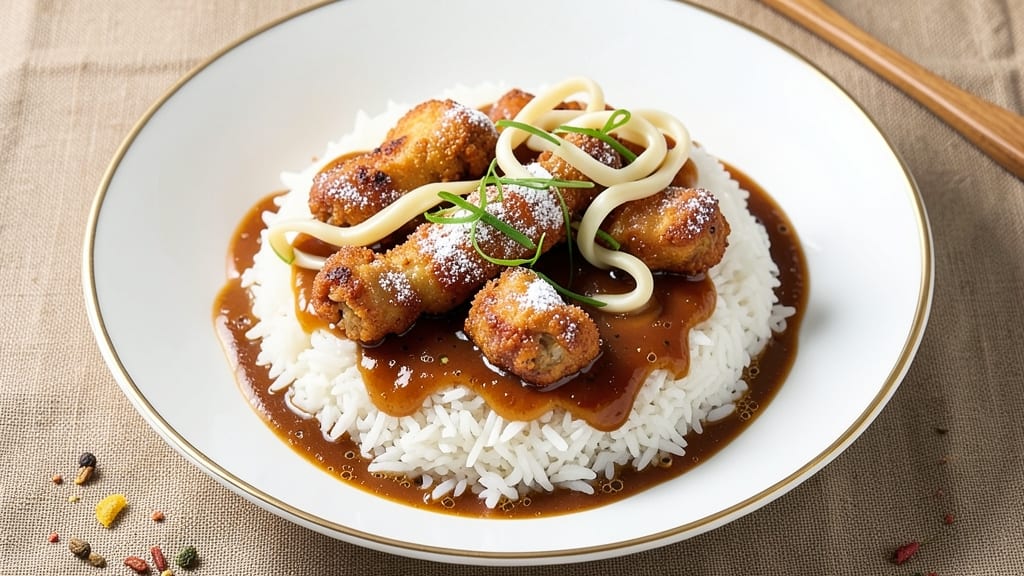
This Chinese rice and sauce recipe delivers the bold flavors of a wok-tossed meal with umami-packed protein and fragrant rice—perfect for weeknight dinners or weekend feasts.
The secret lies in balancing sticky jasmine rice with a savory sauce that's quick to make but packed with depth, using simple pantry staples and a foolproof stir-fry technique that ensures every bite is packed with flavor.
What sets this dish apart is the harmony of textures—crispy edges from the wok-tossed protein, tender rice that soaks up the sauce, and optional garnishes like scallions or sesame seeds for freshness.
Whether you're recreating a classic Cantonese-style fried rice or experimenting with Sichuan heat, this recipe adapts effortlessly while keeping the core technique intact. Ready in 30 minutes, it's restaurant-quality without the fuss.
Ingredients for chinese rice and sauce
Simple staples transform into restaurant-quality wok-tossed Chinese rice with crispy protein and fragrant sauce.
| Ingredient | Amount | Notes |
|---|---|---|
| Jasmine Rice 🍚 | 1 ½ cups | Uncooked, long-grain preferred |
| Chicken Breast 🍗 | 1 ½ lb | Boneless, skinless, cut into 1-inch pieces |
| Eggs 🥚 | 2 whole | Beaten for stir-fry coating |
| All-Purpose Flour 🌾 | ½ cup | For egg wash coating |
| Soy Sauce 🍶 | ½ cup | Light or all-purpose variety |
| Oyster Sauce 🍜 | 3 tbsp | High-quality, umami-rich |
| Sesame Oil 🫒 | 1 tbsp | Toasted, for aroma |
| Garlic Cloves 🧄 | 6 cloves | Minced for sauce base |
| Fresh Ginger 🌿 | 1 tbsp | Grated, for aromatic depth |
| Green Onions 🧅 | ½ cup | Sliced, for garnish |
| Vegetable Oil 🫒 | 3 tbsp | High smoke point for wok |
| Salt 🧂 | 1 tsp | Diamond Crystal preferred |
| White Pepper 🌶️ | ½ tsp | Freshly ground for heat |
| Sesame Seeds 🌾 | 1 tbsp | Toasted for garnish |
| Red Chili Flakes 🔥 | 1 tsp | Optional for Sichuan heat |
The jasmine rice is non-negotiable here—its delicate aroma and slightly sticky texture are essential for soaking up the sauce. Day-O brand is my go-to for consistent quality, but any long-grain variety works. For the protein, chicken breast is the most versatile, but shrimp or pork shoulder add equally delicious depth. Cut the chicken into even 1-inch pieces for consistent cooking. The eggs and flour create a light, crispy coating that mimics takeout perfection—don't skip the beating thoroughly, or you'll end up with clumps. Fresh ginger and garlic should smell vibrant; look for plump, firm ginger root with no soft spots and garlic cloves that aren't sprouting.
No oyster sauce? Substitute with 1 tbsp soy sauce plus 1 tsp fish sauce for umami, though the flavor will differ slightly. The sesame oil is purely for aroma—use sparingly, as it's potent. Kikkoman soy sauce is a reliable choice, but any light soy will do. For extra heat, Sichuan peppercorns can replace chili flakes, adding a numbing tingling sensation. The green onions are purely decorative but add freshness—substitute with chives if unavailable. When selecting vegetable oil, avoid olive oil due to its low smoke point; stick to neutral oils like avocado or peanut.
Prep the rice ahead for foolproof results—soak it for 20-30 minutes before cooking to ensure even grains. The sauce can be made one day ahead and stored in the fridge, though the sesame oil should be added fresh before serving. Leftover rice reheats beautifully in 2-minute intervals in the microwave with a splash of water. For maximum crispiness, reheat the protein separately and toss with the rice just before serving. Garnishes like sesame seeds and chili flakes should be added last to preserve their texture and aroma.
Why You'll Love This Recipe
- One-Pot Magic: I swear by this recipe when I’ve got nothing but a tired brain and a half-empty fridge. Dump the rice, chicken, and sauce in one pot—no chopping, no fuss—and let it simmer while I handle the rest of dinner. The eggs just slide right in at the end, so soft they practically melt.
- Umami Bomb: That soy sauce isn’t just seasoning—it’s the star. The moment the chicken absorbs it, you’ve got this deep, savory punch that makes every bite irresistible. Add a fried egg on top? Instant upgrade to restaurant-level comfort.
- Leftover Hero: Between us, this dish begs to be made in bulk. The rice stays fluffy for days, the sauce clings to the chicken like glue, and reheating it is as easy as microwaving. Pack it for lunch or freeze portions—it’s my go-to for lazy mornings.
- Budget Win: Jasmine rice and chicken breast are affordable staples, and a little flour stretches the sauce into something rich without breaking the bank. Honestly, I’ve made this for under $10 and still felt like I treated myself.
Step-by-step instructions for wok-tossed fragrance rice with umami protein
This method delivers perfectly aromatic jasmine rice paired with tender chicken and a rich, balanced sauce.
Prepare the Chicken and Egg Coating
Cut the 1.5 lb chicken breast into 1-inch pieces and place them in a bowl. In a separate shallow dish, beat the 2 whole eggs until smooth. In another dish, place the 0.5 cup all-purpose flour. Dredge each chicken piece first in flour, then dip in the beaten eggs, and finally coat again with flour. Press the coating gently to adhere.
This double-coating creates a crispy exterior while keeping the chicken juicy inside. Let the coated chicken rest for 5 minutes while you prepare the rice. The flour coating will help create a light crust when stir-fried later.
Cook the Jasmine Rice to Perfection
Rinse the 1.5 cups jasmine rice under cold water until the water runs clear. This removes excess starch that can make the rice gummy. In a medium pot, combine the rice with 2 cups water and 1 tsp salt. Bring to a boil over high heat, then reduce to a simmer, cover tightly, and cook for 15 minutes. Remove from heat and let it steam, covered, for an additional 10 minutes. Fluff the rice gently with a fork before transferring to a serving dish.
The rice should be tender with a slight bite—this texture holds up beautifully when combined with the stir-fry. If the rice feels undercooked, return it to the heat for 2-3 minutes covered. Overcooked rice becomes mushy when mixed with sauces.
Build the Umami-Packed Sauce Base
Heat 3 tbsp vegetable oil in a wok or large skillet over medium-high heat. Add the 6 cloves minced garlic and 1 tbsp grated fresh ginger, cooking for 30 seconds until fragrant. Add the coated chicken and stir-fry for 4-5 minutes until golden brown and cooked through. Remove the chicken and set aside.
In the same pan, add 1 tbsp sesame oil and 1 tsp red chili flakes, stirring for 10 seconds to infuse the heat. Pour in 0.5 cup soy sauce and 3 tbsp oyster sauce, scraping up any browned bits from the bottom. Simmer for 1 minute until the sauce begins to thicken slightly. This is where the umami magic happens—oyster sauce and soy sauce combine to create a deep, savory flavor.
Combine Rice and Sauce for Maximum Flavor
Return the chicken to the wok and add the cooked rice, tossing everything together gently. Drizzle the rice mixture with the sauce, mixing thoroughly until each grain is evenly coated. The rice should absorb the sauce without becoming soggy—this takes about 2 minutes of tossing. If the sauce seems too thick, add 1-2 tablespoons of water to loosen it.
Here's the thing—don't overmix. You want the rice to stay distinct while absorbing the sauce's rich flavors. The chicken should be evenly distributed throughout, ensuring each bite delivers both protein and rice. Taste and adjust seasoning with additional soy sauce if needed.
Garnish and Serve Immediately
Transfer the rice mixture to a serving platter and garnish with 0.5 cup sliced green onions and 1 tbsp toasted sesame seeds. The green onions add a fresh contrast to the rich flavors, while the sesame seeds contribute a nutty aroma. Serve immediately while the chicken is still warm and the rice maintains its perfect texture.
This dish is best enjoyed fresh—waiting too long causes the rice to dry out or the chicken to lose its crispiness. The combination of fragrant rice, tender chicken, and umami-packed sauce creates a harmonious balance that's both comforting and sophisticated.
Pro Tips For Making Chinese Rice And Sauce
- CUT CHICKEN INTO EVEN STRIPS: The sauce clings better when chicken pieces are uniform—about ½-inch thick and 2 inches long. I used to eyeball it, but now I measure with a ruler after slicing. Uneven strips cook at different rates and end up either rubbery or overdone.
- USE COLD WATER FOR RICE: Jasmine rice needs cold water to absorb evenly—hot water makes it gummy. Fill a pot with cold water, add rice, and bring to a boil. The grains stay separate and fluffy, not sticky like when I first tried the "quick boil" method.
- FLOUR THE EGGS FIRST: Dip chicken strips in flour, then beaten eggs—this creates a better seal than just egg-washing. The flour helps the egg adhere, so the sauce sticks instead of sliding off. I learned this after my first batch looked like it was swimming in sauce rather than soaking it up.
- LOW AND SLOW FOR SAUCE: Simmer the sauce on medium-low heat to thicken properly—high heat burns the soy sauce and makes it bitter. Stir occasionally and let it reduce naturally. I used to rush it, and the sauce ended up thin and watery every time.
Storing and reheating your leftovers
Rice Storage Secrets
Store leftover rice in an airtight container at room temperature for up to 2 hours before refrigerating. I use glass Pyrex containers because they preserve texture better than plastic. For longer storage, refrigerate for up to 3 days—the rice will maintain its slight bite but may dry out slightly.
To revive, sprinkle with 1 tsp water and microwave for 30 seconds before mixing. 💫
Sauce Preservation
The sauce can be made one day ahead and stored in the fridge, but hold off on adding the sesame oil until serving—it loses its aromatic punch when refrigerated. Keep sauce in a small glass jar with a tight lid.
When reheating, warm it gently on low heat for 1-2 minutes to avoid curdling. Never microwave the sauce alone, as it can split and lose its balance. 🍶
Reheating Chicken Perfectly
Reheat chicken separately to maintain crispiness. Place pieces on a wire rack over a baking sheet and warm in a 375°F oven for 5-7 minutes—this prevents sogginess. Alternatively, pan-fry in 1 tsp vegetable oil over medium heat for 2-3 minutes until golden again.
Never microwave chicken alone, as it becomes rubbery. Toss reheated chicken with rice just before serving to keep it warm. 🔥
Combining Components
When reheating the full dish, combine all elements in a large skillet over low heat with 2 tbsp water. Cover and heat for 3-4 minutes, stirring gently to redistribute the sauce evenly.
The rice should be warm through but not mushy. If using leftovers, add ½ tsp sesame oil at the end to restore aroma. Serve immediately with fresh garnishes for maximum flavor impact. ✨
Freezer-Friendly Tips
This dish freezes beautifully for up to 2 months. Portion into single-serving containers and freeze. To reheat, thaw overnight in the fridge, then warm components separately as directed above.
The texture won't be perfect, but it's still delicious. For best results, freeze only the rice and sauce separately, then reheat chicken fresh when ready to eat. 🧊
Garnish Refreshers
Revive reheated dishes with fresh garnishes. Toast sesame seeds in a dry pan for 30 seconds before sprinkling. Slice green onions just before serving to maintain crispness. For extra umami, add 1 tsp fish sauce to the reheated sauce. These final touches elevate leftovers to near-fresh quality. 🌿
Nutrition facts
Frequently asked questions
Can I use short-grain rice instead of jasmine?
Jasmine rice is ideal because its slightly sticky texture absorbs the sauce beautifully, but you can substitute short-grain white rice if needed. Just reduce the water by 1/4 cup since short-grain rice releases more starch. For a firmer texture, rinse it 3-4 times before cooking to remove excess starch. The flavor won't be identical, but it'll still work well!
How do I make this dish vegetarian?
Swap the chicken for extra-firm tofu or mushrooms like shiitake. Press and cube the tofu, then pan-fry until crispy before adding to the wok. For mushrooms, slice them thinly and cook until golden. Boost umami with 1 tbsp vegetarian oyster sauce or 1 tsp soy sauce plus 1 tsp mushroom powder. The texture will be different but still delicious!
Why does my rice turn mushy when mixing with sauce?
Overcooked rice is the usual culprit! Make sure your rice has a slight bite when done—it should be tender but not falling apart. If it's too soft, cook it for 1-2 minutes less next time. Also, avoid adding sauce while the rice is still hot—let it cool slightly first. The sauce should coat the grains without turning them soggy.
Can I make this in a regular skillet instead of a wok?
While a wok gives the best high-heat sear, a large nonstick skillet works perfectly. Just use 1 tbsp more oil to prevent sticking, and cook in two batches if needed. The key is maintaining medium-high heat and stirring constantly to get those crispy edges on the chicken.
What's the best way to add extra veggies?
Add bell peppers, broccoli, or snap peas in the last 2 minutes of cooking to keep them crisp. For heartier veggies like carrots or corn, cook them separately first and mix in at the end. Garlic and ginger should always cook first to build flavor. Pro tip: Blanch frozen veggies for 1 minute before adding to speed up cooking!