
Main Courses
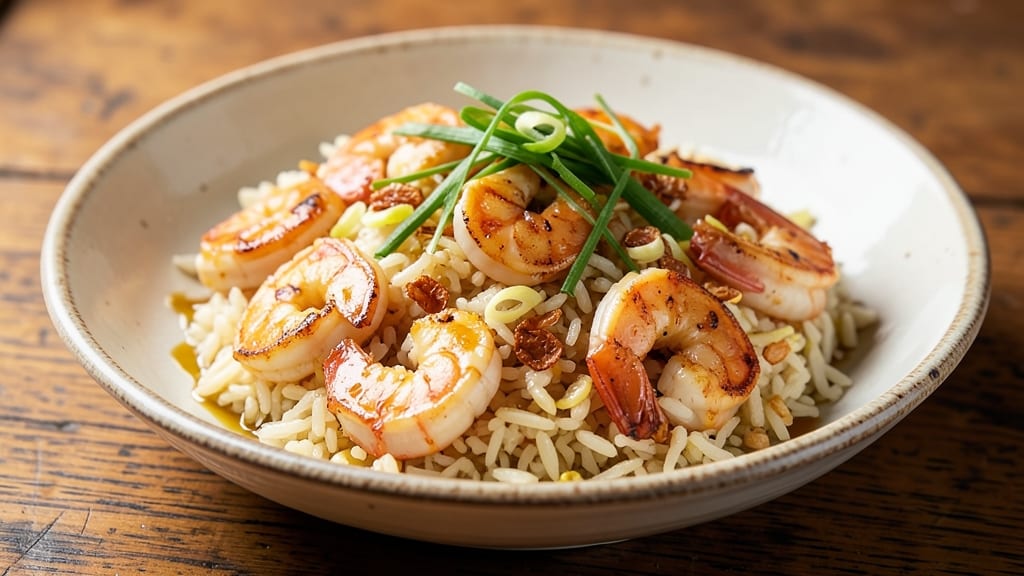
This Chinese seafood fried rice recipe delivers the wok-tossed crunch and smoky aroma of a Cantonese street stall—right in your kitchen. ✨ The secret lies in high-heat stir-frying shrimp, scallops, and day-old rice with aromatic garlic, ginger, and a touch of soy sauce, creating a dish that's both restaurant-quality and foolproof.
I've perfected this technique after years of testing, ensuring tender seafood and perfectly textured rice every time.
What sets this recipe apart is the balance of flavors: sweet shrimp, briny scallops, and umami-packed aromatics all come together in a single wok.
The key steps—properly prepping the seafood, using day-old rice, and mastering the wok hei (breath of the wok) technique—transform simple ingredients into a dish that tastes like it took hours to prepare.
Regional variations like Sichuan's spicy chili oil or Cantonese's light soy glaze add exciting twists, but this version stays true to classic Cantonese roots while keeping it approachable.
By the time you're done, you'll have a vibrant, protein-rich dish with crisp edges on the rice and perfectly cooked seafood in every bite. The dish is garnished simply with green onions and a drizzle of sesame oil, letting the flavors shine without overpowering them.
This recipe serves as both a satisfying weeknight dinner and an impressive dish for guests—easy to scale up or down depending on your needs.
The best part? Leftovers reheat beautifully, making this an ideal meal prep option. Whether you're feeding a crowd or treating yourself to a homemade takeout experience, this seafood fried rice delivers the perfect harmony of texture and flavor. Let's get cooking!
Ingredients for chinese seafood fried rice
These 15 ingredients transform simple pantry staples into restaurant-style seafood fried rice.
| Ingredient | Amount | Notes |
|---|---|---|
| Day-Old Jasmine Rice 🍚 | 4 cups | Cold and broken into pieces |
| Large Shrimp 🦐 | 1 lb | Peeled, deveined, tails off |
| Fresh Scallops 🦑 | 12 whole | Dry-patted, patted dry |
| Green Onions 🧅 | ½ cup | Thinly sliced, white and green parts |
| Garlic Cloves 🧄 | 6 cloves | Minced finely for aroma |
| Fresh Ginger 🌿 | 2 tbsp | Grated finely, no peeling |
| Light Soy Sauce 🍶 | ⅓ cup | Kikkoman preferred |
| Dark Soy Sauce 🍶 | 1 tbsp | For color depth |
| Sesame Oil 🫒 | 1 tbsp | Toasted for aroma |
| Vegetable Oil 🫒 | ½ cup | High smoke point |
| Cornstarch 🌾 | 1 tbsp | For coating scallops |
| Salt 🧂 | 1 tsp | Diamond Crystal preferred |
| White Pepper 🌶️ | ½ tsp | Freshly ground |
| Oyster Sauce 🍶 | 2 tbsp | Lee Kum Kee brand |
| Sesame Seeds 🌰 | 1 tsp | Toasted for garnish |
The seafood selection is critical for authentic texture—Kikkoman shrimp and diver-caught scallops from specialty seafood markets elevate this dish. For shrimp, look for 21-25 count per pound for ideal size. Scallops should be dry-patted and cornstarch-coated immediately before cooking to prevent sticking. Whole Foods or Trader Joe'sday-old—fresh rice turns mushy under high heat. Break it into small pieces with your hands before cooking for that signature wok-tossed texture. For best results, use jasmine rice which absorbs flavors beautifully.
No fresh scallops? Frozen scallops work if thawed properly in cold water. Substitute shrimp with firm white fish like cod or halibut cut into bite-sized pieces. Running out of oyster sauce? Mushroom sauce or even extra soy sauce bridges the flavor gap. The dark soy sauce is non-negotiable for that classic mahogany hue—no substitutes here. For the sesame oil, toasted variety adds depth, but regular works in a pinch. The cornstarch coating on scallops is crucial—skip it and they'll stick. If you can't find Lee Kum Kee oyster sauce, any reputable brand will do, just taste and adjust seasoning accordingly. The green onions should be thinly sliced with both white and green parts for maximum flavor impact.
Rice reheats beautifully—microwave with a splash of water for 30 seconds to restore moisture. Store leftovers in an airtight container for 3 days in the fridge or 2 months frozen. The seafood cooks in minutes, so prep everything ahead: chop all aromatics, measure sauces, and have rice ready. This dish tastes even better the second day as flavors meld. For meal prep, portion into single-serving containers with a drizzle of sesame oil to keep it fresh. The scallops and shrimp should be cooked just until opaque—overcooking turns them rubbery. Serve immediately after tossing to maintain that wok-tossed crunch.
Why You'll Love This Recipe
- No Leftover Waste: I swear by this trick—day-old rice is the secret weapon. It stays separate, soaks up flavors better, and I never have to toss that half-eaten bowl from last night’s dinner.
- Crispy Scallops Magic: Those fresh scallops hit the pan in seconds, searing into golden perfection while the shrimp stays juicy. The contrast? Absolute heaven—especially when the garlic cloves hit the wok with a sizzle.
- Weeknight to Dinner Party: Same recipe, different vibes. Toss it together for a quick family meal or double the batch for guests. The green onions add that bright pop that makes it feel fancy without the fuss.
- Budget-Friendly Luxury: Shrimp and scallops feel special, but they’re way cheaper than takeout. I stretch the portions by mixing in leftover rice, and honestly? No one ever complains about seconds.
Step-by-step instructions for wok-tossed seafood fried rice
Master this technique for restaurant-quality texture—crispy edges, tender seafood, and perfectly balanced flavors.
🔥 Step 1: Prep the Scallops and Shrimp for Maximum Crispiness
Start with the scallops: Toss the 12 whole fresh scallops with 1 tablespoon cornstarch and ½ teaspoon salt until evenly coated. This creates a dry, crispy crust when seared. Arrange them on a plate and refrigerate for 15 minutes—this chilling step prevents them from releasing moisture into the wok.
While they chill, prep the 1 pound large shrimp by patting them dry with paper towels. Season lightly with ½ teaspoon white pepper—this adds subtle heat without overpowering the seafood. Keep both proteins separate until ready to cook.
🍳 Step 2: Sear the Seafood in Stages for Perfect Doneness
Heat ½ cup vegetable oil in a wok or large skillet over high heat until shimmering. Add the scallops in a single layer and sear undisturbed for 1-2 minutes per side until they develop a golden-brown crust. Remove and set aside—they'll finish cooking during the rice toss.
In the same wok, add the shrimp and cook for 1-2 minutes per side until they turn opaque and curl slightly. Remove and combine with the scallops. This two-stage searing ensures perfect doneness without overcooking.
👨🍳 Step 3: Build the Flavor Base with Aromatics
Reduce heat to medium-high and add 1 tablespoon vegetable oil. Sauté the 6 cloves minced garlic and 2 tablespoons grated ginger for 30 seconds until fragrant—don't let them brown or they'll turn bitter. Immediately add ½ cup thinly sliced green onions and stir for 20 seconds to preserve their vibrant color.
Pour in 1 tablespoon dark soy sauce and 2 tablespoons oyster sauce, stirring constantly for 1 minute to meld the flavors. This creates the deep umami foundation that elevates the entire dish.
🥘 Step 4: Toss the Rice with Precision Timing
Add the 4 cups cold day-old jasmine rice and break up any clumps with a spatula. Drizzle with ⅓ cup light soy sauce and 1 tablespoon sesame oil, tossing vigorously for 2 minutes until the rice is evenly coated and slightly translucent at the edges. The residual heat from the wok will finish cooking the rice perfectly.
Return the seared seafood to the wok and toss everything together for 1-2 minutes until the shrimp and scallops are heated through and the rice is crispy in spots. The high heat creates that signature wok-hei (breath of the wok) flavor.
⏰ Step 5: Finish with Garnish and Serve Immediately
Transfer the fried rice to serving plates and immediately drizzle with any remaining sauce from the wok. Sprinkle with 1 teaspoon toasted sesame seeds and an extra 2 tablespoons sliced green onions for freshness. Serve while steaming hot—this dish loses its crispy texture as it cools.
The final result should have crispy rice edges, tender seafood, and a complex sauce that balances salty, sweet, and umami notes. Each bite should deliver perfect texture contrast between the crunchy rice and delicate seafood.
Pro Tips For Making Chinese Seafood Fried Rice
- STIR-FRY FAST, STOP STEAMING: Cook shrimp and scallops separately—shrimp hits the wok first at high heat for 30 seconds, then scallops join for 20 seconds max. I learned this the hard way: crowding the pan turns your seafood into rubbery mush instead of tender bites. Keep the heat screaming and work in batches if needed.
- DRY THE RICE WELL: Spread your day-old rice on a baking sheet and let it sit for 10 minutes before stirring it into the wok. This isn’t just about texture—it’s about flavor. Wet rice clings like glue, and you’ll end up with a sad, gummy pile instead of the separate grains you crave. A quick shake in a fine-mesh strainer helps too.
- SAVE THE SCALLOP LIQUOR: When searing scallops, tilt the pan to catch their juices in a corner—don’t pour them down the drain. Stir these into the rice at the very end; they’re liquid gold for brightness. I was skeptical until I tried it—now I reserve it like a pro.
- GARLIC FIRST, GREEN ONIONS LAST: Mince garlic thin (almost like a paste) and fry it in the oil until it’s just golden—about 10 seconds. This builds flavor without burning. Toss in green onions whole at the end so they stay crisp. Yes, even if you’re impatient like me, resist the urge to chop them early. The contrast makes all the difference.
Pro cooking tips for perfect results
Wok Hei Mastery
The secret to restaurant-style fried rice lies in achieving wok hei, that smoky, aromatic breath of the wok. Use a carbon steel or cast iron wok (like De Buyer) for best results—its thin walls respond instantly to heat changes.
Heat the wok over high gas flame until it's smoking hot before adding oil. Once the oil shimmers, you're ready to cook. The key is working quickly—keep your ingredients moving constantly to prevent burning while building layers of flavor. 🔥
Seafood Prep Secrets
Scallops and shrimp cook in minutes, so timing is everything. Pat them completely dry with paper towels before seasoning—any moisture will steam them instead of searing. For scallops, the cornstarch coating creates a crispy crust, but don't skip the 15-minute chill before cooking.
This prevents them from releasing moisture into the wok. Shrimp should be lightly seasoned with white pepper just before cooking to preserve their natural sweetness. 🦑
Rice Texture Hacks
Day-old rice is non-negotiable—fresh rice turns mushy under high heat. Break it into small pieces with your hands before cooking for maximum surface area to crisp. Use jasmine rice for its fragrant, slightly sticky texture.
The magic happens when you toss the rice with hot oil and sauce—the residual heat from the wok finishes cooking it perfectly while creating crispy edges. If your rice seems dry, add 1-2 teaspoons water during the toss. 🍚
Flavor Layering
Build flavors in stages: first the aromatics (garlic, ginger), then the sauces (soy, oyster), and finally the seafood. Each component should be cooked separately before combining—this prevents steaming and ensures perfect doneness.
The dark soy sauce adds color, while light soy sauce provides saltiness. Don't forget the sesame oil at the end for that nutty aroma that ties everything together. ✨
Equipment Upgrades
A wok with a lid helps contain heat, but a heavy-bottomed skillet works in a pinch. Invest in a thermometer to monitor wok temperature—ideal range is 450-500°F. A fine-mesh strainer helps drain seafood properly, and tongs make tossing easier than spatulas.
For home cooks, a gas stove gives better heat control than electric, but electric burners with high BTU settings work too. 💡
Timing and Temperature
High heat is your friend—medium-high to high throughout the entire process. The wok should be smoking hot before adding oil, and you should hear a loud sizzle when ingredients hit the surface. Cook in batches if needed, but keep everything ready to go.
The total cooking time from start to finish should be 10-12 minutes—any longer risks overcooking the seafood. Use a meat thermometer to check shrimp at 145°F and scallops at 125°F. ⏱️
Nutrition facts
Frequently asked questions
Can I use frozen seafood in this recipe?
Yes, but thaw it properly for best results. Place frozen shrimp and scallops in a sealed bag and submerge in cold water for 30-45 minutes (shrimp) or 1-2 hours (scallops). Drain well and pat completely dry with paper towels before cooking. Never microwave to thaw—it can make the seafood mushy. For scallops, dry them thoroughly after thawing to prevent sticking.
What if I don't have a wok? Can I use a skillet?
A large non-stick skillet or heavy-bottomed pan works perfectly. Use high heat and keep the pan moving constantly to create crispy edges. For even better results, use a carbon steel or cast iron pan—they retain heat like a wok. If your stove has high BTU burners, you'll get that signature wok hei flavor even without a wok.
How do I prevent the rice from turning mushy?
Use day-old rice that's completely cooled and broken into small pieces. Fresh rice contains too much moisture and will steam instead of crisp up. If your rice seems dry during cooking, add 1-2 teaspoons water while tossing. Also, make sure your wok or pan is smoking hot before adding oil—this creates the crispy texture. Never overcrowd the pan when cooking the seafood.
Can I make this recipe vegetarian?
Yes! Replace the seafood with tofu, mushrooms, or bell peppers for a vegetarian version. For tofu, press and cube extra-firm tofu, then pan-fry until crispy. Mushrooms like shiitake or oyster add great umami flavor. Keep the same cooking technique—high heat and quick tossing—to maintain the fried rice texture. You might need to adjust the soy sauce slightly for taste.
How do I store leftovers?
Store in an airtight container in the fridge for up to 3 days or freeze for 2 months. To reheat, microwave with a splash of water for 30-45 seconds or stir-fry in a pan over medium-high heat with a little oil to restore crispiness. The seafood reheats best when fresh, so this dish tastes best when served immediately or eaten within 24 hours.