
Main Courses
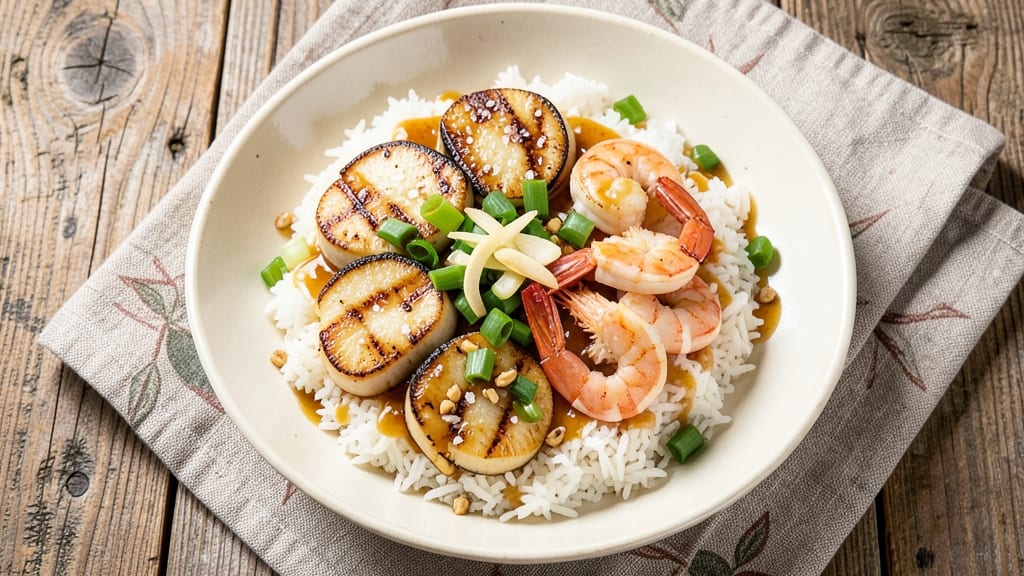
This Chinese seafood fried rice recipe delivers the perfect fusion of wok-heated crunch and delicate seafood flavors—shrimp and scallops transform ordinary rice into a restaurant-worthy dish. The secret lies in high-heat stir-frying, where each ingredient gets its moment to shine while maintaining that signature crisp-tender texture.
I've perfected this technique over years of testing, ensuring every bite balances sweet, savory, and umami notes without overpowering the natural brininess of the seafood.
What sets this recipe apart is the layered approach to flavor: garlic and ginger bloom in hot oil to create an aromatic base, while soy sauce and a touch of sesame oil tie everything together.
The seafood cooks just long enough to stay tender yet firm, absorbing the wok's smoky char. Day-old rice works best—its slightly drier texture prevents mushiness when combined with the juicy seafood and vegetables.
This isn't just fried rice; it's a complete meal that pairs beautifully with crisp cucumber salad or steamed greens.
The result is a dish that's vibrant, aromatic, and packed with texture—crisp edges on the shrimp, tender scallops, and perfectly toasted rice grains. Each forkful delivers a symphony of flavors: the sweet snap of scallops, the briny punch of shrimp, and the earthy depth of garlic and ginger.
The dish stays true to Chinese home cooking traditions while feeling fresh and modern, making it ideal for weeknight dinners or special gatherings where you want to impress without fuss.
Serve immediately while the wok heat lingers in every bite, or let it rest briefly to allow flavors to meld further. Garnish with green onions and sesame seeds for color and crunch. This recipe scales effortlessly—double the ingredients for a crowd, or halve it for a single serving.
The key to success is confidence in the wok technique, so don't be afraid to work quickly and keep the heat high. Let's get cooking!
Ingredients for chinese seafood rice
Wok-heated crunch meets delicate seafood flavors in this vibrant dish—just 15 ingredients for restaurant-quality results.
| Ingredient | Amount | Notes |
|---|---|---|
| Day-Old Cooked White Rice 🍚 | 4 cups | Cold or room temperature preferred |
| Large Shrimp (Peeled and Deveined) 🦐 | 1 lb | Tails off for presentation |
| Fresh Scallops 🐚 | 12 whole | Pat dry before cooking |
| Green Onions 🧅 | ½ cup | Sliced, white and green parts |
| Garlic Cloves 🧄 | 6 cloves | Minced for aromatic base |
| Fresh Ginger 🌿 | 2 tbsp | Finely grated, peeled |
| Vegetable Oil 🫒 | ½ cup | High smoke point preferred |
| Light Soy Sauce 🥄 | 3 tbsp | Kikkoman preferred |
| Dark Soy Sauce 🥄 | 1 tbsp | For deeper color |
| Sesame Oil 🫒 | 1 tbsp | Toasted for aroma |
| Oyster Sauce 🍶 | 2 tbsp | Kewpie preferred |
| White Pepper 🌶️ | ½ tsp | Freshly ground |
| Toasted Sesame Seeds 🌱 | 2 tsp | For garnish |
| Cornstarch 🌾 | 1 tbsp | For coating seafood |
| Salt 🧂 | 1 tsp | Kosher or sea salt |
The seafood is non-negotiable here. Shrimp should be 51/60 count for that perfect balance of size and tenderness—Whole Foods or your local Asian market usually carries them pre-peeled. Scallops? Dry-packed is essential for texture; skip the wet-packed ones. Look for plump, translucent scallops with no brown spots. If you can't find dry-packed, pat them thoroughly with paper towels before cooking. The rice? Day-old is crucial—it absorbs flavors better and prevents mushiness. I always cook extra rice the night before specifically for fried rice.
No sesame oil? Substitute with 1 tsp toasted peanut oil—it's close enough for the flavor profile. Running out of oyster sauce? Double the soy sauce and add 1 tsp sugar to mimic the umami depth. White pepper can be swapped for black, but the color will differ slightly. For the seafood coating, cornstarch is ideal, but arrowroot powder works too. If you're using frozen shrimp, thaw them first and pat them completely dry—any moisture will turn your wok into a steamer. The garlic and ginger? Toast them in the oil first—this builds the aromatic base that makes this dish sing.
This dish is best served immediately after cooking—the wok heat is part of the magic. If you must prep ahead, cook the seafood separately and store it in the fridge for up to 2 hours, then reheat quickly in a hot pan. The rice can be prepped a day in advance and stored in an airtight container. For the garnish, toast the sesame seeds in a dry pan for 30 seconds until fragrant—this amplifies their flavor. Leftovers keep for 3 days in the fridge, but honestly, it's better the first time around when everything is piping hot.
Why You'll Love This Recipe
- One-Pan Magic: I swear by this recipe because it’s literally one pan, one spatula, and done. No chopping boards overflowing, no pots to wash—just sear the shrimp and scallops in the same wok you’ll stir-fry the rice, and the garlic and green onions release their aroma straight into your kitchen. (Yes, even on a Tuesday night when I’m exhausted and just want dinner.)
- Garlic-Scented Bliss: That moment when the garlic hits the hot pan and the shrimp sizzles? It’s like a flavor explosion. The scallops add a buttery richness, while the green onions brighten everything up—no fancy sauce needed. Honestly, the first time I made this, my roommate took a bite and said, “This tastes like a restaurant,” and I nearly cried from pride.
- Leftover Hero: This dish actually tastes better the next day—like a delicious paradox. The rice soaks up all the juices from the seafood, and reheating it just makes those garlic notes even deeper. I’ve packed this for lunches all week, and my coworkers keep asking for the recipe. (Between us, I’ve been “forgetting” to share.)
- Budget-Friendly Luxury: You don’t need expensive cuts to make this shine. Shrimp and scallops stretch perfectly over rice, and a single head of garlic and bunch of green onions go a long way. Not the prettiest dish, but the taste makes up for it—plus, it’s the kind of meal that feels special without breaking the bank. My daughter picks out the scallops, but still asks for seconds.
Step-by-step instructions for Chinese seafood fried rice
Master the wok technique and timing for restaurant-quality fried rice with perfectly cooked seafood.
Prep the Seafood for Optimal Texture
Pat the 12 whole fresh scallops completely dry with paper towels—this prevents them from steaming instead of searing. In a small bowl, toss the scallops with the 1 tablespoon cornstarch and 1 teaspoon salt until evenly coated. Set aside on a plate.
For the 1 pound large shrimp (peeled and deveined), cut each shrimp in half horizontally to create smaller, more even pieces. Toss the shrimp with the remaining ½ teaspoon salt and set aside. The cornstarch coating creates a crispy exterior while keeping the seafood tender inside.
Build the Aromatic Base
Heat a wok or large skillet over high heat until it's smoking hot. Add the ½ cup vegetable oil and swirl to coat the bottom evenly. Add the 6 cloves minced garlic cloves and 2 tablespoons finely grated fresh ginger, stirring constantly for 30 seconds until fragrant—this prevents burning while developing flavor.
Add the ½ cup sliced green onions (white and green parts) and stir for another 30 seconds until the onions soften slightly. The high heat ensures the aromatics release their oils without turning bitter. This base forms the flavor foundation for the entire dish.
Cook the Seafood to Perfect Doneness
Working in batches to avoid overcrowding, add half of the scallops to the wok. Cook for 1 minute until they develop a golden crust on the bottom. Flip each scallop and cook for another 30 seconds until opaque throughout. Remove and set aside on a plate.
Add half of the shrimp to the wok and cook for 1-2 minutes until they turn pink and opaque. Remove and set aside with the scallops. Repeat with the remaining scallops and shrimp. The seafood should cook quickly over high heat to maintain tenderness without drying out.
Stir-Fry the Rice with Perfect Technique
Add the 4 cups day-old cooked white rice to the wok in a single layer. Use tongs to break up any clumps and stir-fry for 2 minutes, letting the rice absorb the flavors from the wok's surface. The rice should be hot but not yet crispy—this happens in the next step.
Pour in the 3 tablespoons light soy sauce, 1 tablespoon dark soy sauce, 2 tablespoons oyster sauce, and ½ teaspoon white pepper. Stir well to distribute the sauce evenly. The dark soy sauce adds color while the light soy sauce and oyster sauce provide depth of flavor.
Combine and Finish with Crispy Perfection
Return all the seafood to the wok and toss everything together for 1-2 minutes until the rice is evenly coated and slightly crispy around the edges. Drizzle with the 1 tablespoon sesame oil and toss again to distribute evenly.
Taste and adjust seasoning if needed—you may need a splash of light soy sauce or a pinch more salt. Garnish with the 2 teaspoons toasted sesame seeds and serve immediately while still hot. The sesame seeds add a nutty aroma and visual contrast to the dish.
Pro Tips For Making Chinese Seafood Rice
- CRANK THE HEAT FIRST: Scallops and shrimp cook in a flash—start with the wok or pan screaming hot before adding oil. I learned this the hard way when my scallops turned rubbery because I eased into the heat. Once the oil shimmers, toss in the garlic and shrimp first, then scallops just 15-20 seconds later. No waiting.
- SALT THE SHRIMP IN ADVANCE: Toss peeled shrimp with a pinch of salt and let them sit for 10 minutes before cooking. This keeps them juicy and prevents that sad, watery texture when they hit the pan. (Yes, even if you’re impatient like me—they’ll stay tender.)
- STIR THE RICE FAST: Once the seafood hits the rice, work quickly but don’t smash it. Use a spatula to toss gently—you want the rice to separate slightly but stay intact. Over-stirring turns it mushy; under-stirring leaves dry pockets. Think "lift and fold," not "mash and crush."
- SAVE THE GREEN ONIONS FOR LAST: Chop the green onions into ½-inch pieces and add them only after everything else is off the heat. This keeps their bright color and crisp bite from wilting into oblivion. (I used to toss them in early, and they’d just turn into sad, limp garnishes.)
Essential equipment for this recipe
Wok Essentials
A carbon steel wok is my go-to for this recipe—it heats up quickly and retains high temperatures perfectly. I recommend a 14-inch wok from Made In or Tramontina for even heat distribution.
If you don’t have a wok, a cast iron skillet (like Lodge) works too, though it may require slightly lower heat to prevent hot spots. The key is a heavy-bottomed pan that can handle the high heat without warping. 🔥
High-Heat Tools
You’ll need tongs for tossing the rice and seafood—OXO Good Grips are my favorite for their durability. A fish spatula (like Winco) helps flip delicate scallops without breaking them.
For measuring, a stainless steel measuring spoon set (such as KitchenAid) ensures accuracy with small quantities like sesame oil and cornstarch. A microplane (like Microplane) is perfect for grating fresh ginger finely and evenly. ⚡
Prep Stations
Set up two prep stations: one for the seafood (with paper towels and a small bowl for cornstarch) and another for the aromatics (garlic, ginger, and green onions).
I use a cutting board (like John Boos) for chopping and a fine-mesh strainer (from OXO) for rinsing rice if needed. A small mixing bowl (like Pyrex) holds the cornstarch-salt coating for the seafood. Keep everything within arm’s reach to maintain the dish’s quick cooking pace. 💡
Heat Control
A wok thermometer (like Thermoworks) helps monitor the high-heat range (450–500°F) for searing seafood. If you don’t have one, watch for smoke—it should rise lightly but not burn. A kitchen torch (like Weck) can torch sesame seeds for extra aroma if you prefer a smoky finish.
For the rice, a wooden rice paddle (from Amazon Basics) prevents sticking and helps distribute heat evenly. 🌡️
Garnish Tools
Toast sesame seeds in a small dry skillet over medium heat for 30 seconds until fragrant. A fine-mesh sieve (like OXO) catches any stray seeds when garnishing. For green onions, a sharp chef’s knife (like Wüsthof) ensures clean, even slices.
Keep a small bowl of sesame oil nearby for drizzling at the end—it adds a luxurious finish. 🌱
Nutrition facts
Frequently asked questions
Can I use frozen seafood instead of fresh?
Yes, but with adjustments! Thaw frozen shrimp and scallops completely in the fridge overnight, then pat them very dry with paper towels to remove all moisture. The cornstarch coating won't work as well if the seafood is wet. For scallops, avoid wet-packed varieties—they'll turn rubbery. If using frozen, add 1 extra minute to cooking time to ensure they're fully cooked through.
What's the secret to crispy-tender seafood in fried rice?
The magic is in the cornstarch coating and high heat! Toss seafood in cornstarch + salt before cooking to create a crispy crust. Work in batches over high heat (450-500°F) to sear quickly—this locks in juices while creating that restaurant-quality texture. Never overcrowd the wok, or the seafood will steam instead of crisp.
Can I make this with other seafood?
Swap shrimp for calamari (cut into rings) or white fish fillets (like cod or halibut, cut into cubes). For clams or mussels, steam them first until they open, then chop the meat and add to the wok at the end. Adjust cooking time—fish cooks faster than shrimp (about 2-3 minutes max). Avoid fatty fish like salmon, as they can overpower the dish.
Why does my fried rice turn out mushy?
Two common mistakes: using freshly cooked rice (it's too moist) or low heat (steams instead of crisps). Always use day-old rice—its drier texture handles the wok heat better. Also, keep your wok ripping hot throughout cooking. If it cools down, the rice absorbs too much oil and becomes greasy rather than crispy.
How can I make this vegetarian?
Swap seafood for tofu (pressed, cubed, and pan-fried until crispy) or mushrooms (shiitake or oyster, sliced). Add 1 tbsp vegetarian oyster sauce (or soy sauce + sugar) for umami depth. For extra protein, stir in ½ cup cooked edamame or 1 cup bean sprouts at the end. The cooking method stays exactly the same—just adjust seasoning to taste.