
Main Courses
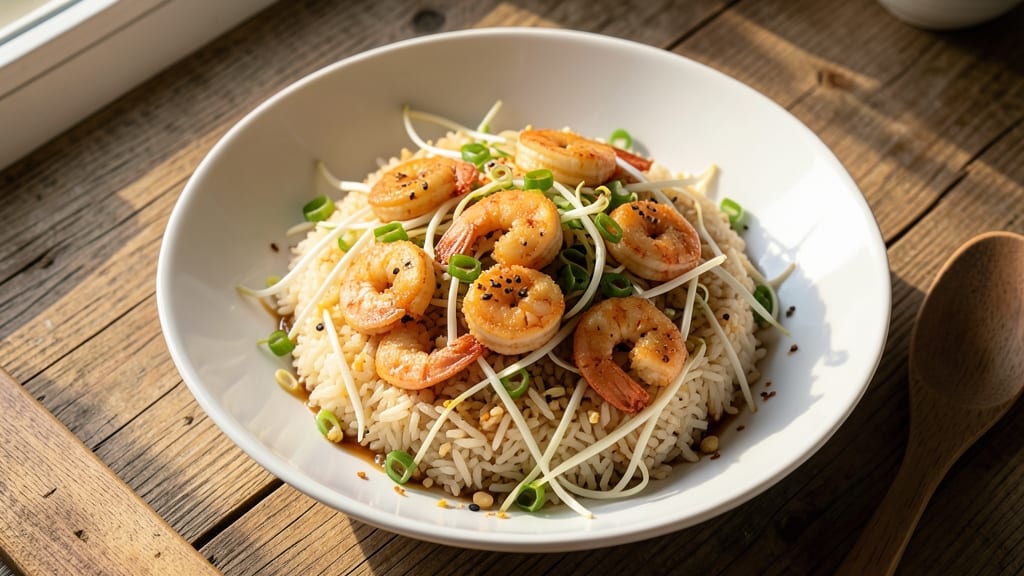
This Chinese shrimp fried rice recipe with bean sprouts delivers the perfect balance of wok-fired crunch and silky rice in every bite. The secret lies in high-heat stir-frying that keeps the shrimp tender while adding that signature smoky aroma—just like your favorite takeout, but better.
I've perfected this technique over years of testing, ensuring the bean sprouts stay crisp and the rice absorbs just enough soy sauce for maximum flavor without turning mushy.
The magic happens in the stir-fry process, where shrimp cooks in mere minutes while the rice develops a slightly toasted edge. Fresh bean sprouts add a satisfying crunch, and a splash of sesame oil at the end elevates the dish with nutty depth.
This recipe serves 2-4 and comes together in under 30 minutes—ideal for weeknight dinners or meal prep. The combination of shrimp, bean sprouts, and day-old rice creates a harmonious blend of textures and flavors that's both comforting and exciting.
What sets this recipe apart is the authentic wok hei—that coveted smoky breath from high-heat cooking that's impossible to replicate with a standard pan. Even if you don't have a wok, a cast-iron skillet works beautifully.
The result? A dish that's restaurant-quality at home, with tender shrimp, perfectly cooked rice, and crisp bean sprouts that add freshness to every bite. Garnish with green onions and sesame seeds for extra brightness and texture.
This pescatarian-friendly recipe works equally well as a main course or light lunch. The balance of savory shrimp, umami soy sauce, and fresh bean sprouts makes it universally appealing, while the technique is simple enough for beginners but impressive enough for dinner guests. Let's get cooking!
Ingredients for chinese shrimp fried rice recipe with bean sprouts
Four cups of silky rice, a pound of tender shrimp, and crisp bean sprouts—this is your takeout-quality fried rice shortcut.
| Ingredient | Amount | Notes |
|---|---|---|
| Day-Old Cooked White Rice 🍚 | 4 cups | Cold or room temperature preferred |
| Large Shrimp (Peeled, Deveined) 🦐 | 1 lb | Tail-on for presentation, 31-40 count |
| Fresh Bean Sprouts 🌱 | 3 cups | Crisp, not wilted |
| Green Onions 🧅 | ½ cup | Thinly sliced, white and green parts |
| Garlic Cloves 🧄 | 4 cloves | Minced, for aroma |
| Light Soy Sauce 🍶 | ⅓ cup | Low-sodium preferred |
| Dark Soy Sauce 🍶 | 1 tbsp | For color depth |
| Sesame Oil 🫒 | 1 tbsp | Toasted, for finishing |
| Vegetable Oil 🫒 | ½ cup | High smoke point |
| White Pepper 🌶️ | ¼ tsp | Freshly ground preferred |
| Sesame Seeds 🌰 | 1 tbsp | Toasted, for garnish |
| Oyster Sauce 🍶 | 1 tbsp | Vegetarian-friendly brand |
| Cornstarch 🌾 | 1 tbsp | For shrimp coating |
| Salt 🧂 | ½ tsp | Adjust to taste |
The rice is non-negotiable—day-old works best for texture, but if you're short on time, cook extra rice the night before and refrigerate. For shrimp, frozen tail-on works in a pinch, but fresh is ideal. Look for 31-40 count shrimp at the seafood counter—they're just the right size for quick cooking. Bean sprouts should be crisp and vibrant; if they feel soft, soak them in ice water for 10 minutes to revive. The green onions add freshness, so buy a bunch and store the rest in the fridge—they'll last for weeks.
No light soy sauce? Substitute with regular soy sauce at half the amount, but expect a saltier flavor. Dark soy sauce can be skipped if you prefer a lighter color, though it adds that signature umami depth. For the sesame oil, toasted is key—skip the unrefined version, which can taste bitter. The cornstarch is a game-changer for the shrimp; it creates a light coating that keeps them tender. If you're out, a mix of flour and baking powder works too. The oyster sauce can be replaced with vegetarian mushroom sauce, but the flavor will be subtly different.
Store any leftovers in an airtight container for up to 3 days in the fridge, though it's best enjoyed fresh. The shrimp and bean sprouts lose their crispness over time, so reheat gently in a skillet with a splash of water. For meal prep, portion the rice and shrimp separately—reheat the shrimp last to keep it tender. Freezing isn't recommended due to the texture of the bean sprouts, but the cooked rice and shrimp can be frozen for up to 2 months if stored in a sealed bag.
Why You'll Love This Recipe
- One-Pan Magic: I swear by this recipe when I’m too tired to scrub a million bowls—just toss everything in one hot pan, stir, and walk away. The shrimp sizzles while the rice absorbs the garlic-ginger-soy sauce, and those bean sprouts add a crunch that’s chef’s kiss with zero extra effort.
- Garlic Bomb Flavor: Between us, the garlic and green onions here are ridiculously good—they caramelize just enough to coat every bite, while the shrimp stays juicy and the bean sprouts add that refreshing snap. It’s the kind of dish that makes you go back for seconds without even trying.
- Lunchbox Hero: This is my secret weapon for meal prep: reheats like a dream, keeps well for days, and still tastes fresh. Pack it in bento boxes for work or toss it in a thermos—your future self will thank you when you’re not staring at sad office salads.
- Budget-Friendly Protein: Fresh shrimp might sound fancy, but a single bag stretches far when paired with rice and sprouts. I’ll be real: it’s one of those recipes where you spend $10 on ingredients but end up with enough for three solid meals—no takeout guilt, just pure satisfaction.
Step-by-step instructions for Chinese shrimp fried rice
Master this wok-fired technique for perfectly balanced texture and flavor every time.
Prepare the Shrimp for Maximum Tenderness
In a small bowl, combine the 1 lb large shrimp with the 1 tbsp cornstarch and 0.5 tsp salt. Toss gently to coat evenly—this creates a crisp exterior while keeping the shrimp juicy inside. Let them sit for 10 minutes while you prep the rest. The cornstarch acts like a shield, preventing the shrimp from overcooking in the hot wok.
Separate the shrimp into 4 equal portions for even cooking. Keep them covered until you're ready to cook, as the cornstarch coating hardens when exposed to air. This step ensures your shrimp will be perfectly tender with a delicate crunch, not rubbery or dry.
Build the Flavor Base in the Wok
Heat a wok or large skillet over high heat until it's smoking hot. Add the 0.5 cup vegetable oil and swirl to coat the bottom completely. Add the 4 minced garlic cloves and stir for 10 seconds until fragrant—this prevents burning while infusing the oil with aroma.
Push the garlic to one side of the wok and add the 4 portions of shrimp in a single layer. Cook undisturbed for 1 minute until the bottoms turn opaque. Flip the shrimp and cook another 30 seconds until just cooked through. Remove shrimp to a plate and set aside—we'll add them back later for maximum flavor.
Stir-Fry the Rice with Perfect Texture
Increase heat to maximum and add the 4 cups day-old cooked white rice to the wok. Use tongs to break up any large clumps while stirring constantly for 2 minutes. The rice should begin to sizzle and separate—this creates that signature "wok hei" smoky flavor while keeping the grains distinct.
Add the 0.33 cup light soy sauce, 1 tbsp dark soy sauce, 1 tbsp oyster sauce, and 0.25 tsp white pepper. Stir-fry for another 2 minutes until the rice is heated through and lightly golden in spots. The dark soy sauce adds that signature mahogany color while balancing the saltiness of the light soy sauce.
Incorporate Vegetables and Finish with Crunch
Push the rice to one side of the wok and add 3 cups fresh bean sprouts to the empty space. Stir-fry for 1 minute until just wilted but still crisp. Add the 0.5 cup sliced green onions and cook for another 30 seconds, stirring constantly to prevent burning.
Return the shrimp to the wok and toss everything together for 1 minute to combine. Drizzle with 1 tbsp sesame oil and toss once more to distribute evenly. The sesame oil adds a nutty aroma that ties all the flavors together. Remove from heat immediately—fried rice continues cooking from residual heat.
Garnish and Serve Immediately
Transfer the fried rice to serving plates and sprinkle with 1 tbsp toasted sesame seeds. Serve while still hot, as the texture and flavors peak immediately after cooking. The bean sprouts should remain crisp, the shrimp perfectly tender, and the rice grains distinct yet cohesive.
For best results, serve with extra green onions on the side and a drizzle of chili oil for those who prefer heat. This dish delivers that perfect balance of textures—silky rice, crisp bean sprouts, and tender shrimp—with every bite packed with umami from the soy sauces and oyster sauce.
Pro Tips For Making Chinese Shrimp Fried Rice Recipe With Bean Sprouts
- STIR-FRY SHRIMP FAST: Use pre-cooked shrimp to save time—just pat them dry and toss in the wok after the garlic and green onions hit the pan. I learned this the hard way when I tried cooking them fresh in the stir-fry and ended up with rubbery shrimp that ruined the whole dish.
- CHOP SPROUTS THIN: Slice bean sprouts into ½-inch pieces—any thicker, and they’ll turn mushy before the rice gets crispy. Sounds tedious, but it makes a real difference in texture, especially if you’re using the older sprouts from the back of the fridge.
- SALT THE RICE: Toss cold day-old rice with ½ teaspoon salt before frying—it cuts through the blandness and balances the shrimp’s sweetness. I skip this step sometimes, and the dish always feels flat afterward.
- HIGH HEAT, LOW TIME: Get the wok screaming hot before adding oil, then work fast—no more than 2-3 minutes per ingredient once everything’s in. My grandmother swore by this, and she was right: rushing this part turns fried rice into a sad, soggy mess.
Essential equipment for chinese shrimp fried rice recipe with bean sprouts
Wok Essentials
A carbon steel wok is ideal for authentic wok hei, but a 12-inch cast iron skillet works perfectly if you're just starting. My go-to is a De Buyer 14-inch wok—it heats evenly and retains heat beautifully.
For high heat, preheat your wok until it smokes slightly before adding oil. If you don’t have a wok, a heavy-bottomed stainless steel pan with sloped sides mimics the effect well. 🔥
Stir-Fry Tools
Invest in a good pair of tongs (I use OXO Good Grips) for tossing ingredients without breaking up the rice. A fish spatula with a thin, flexible edge helps scrape every bit of delicious rice from the wok.
Avoid wooden spoons—they char easily at high heat. For portioning, a small ladle or rice scoop keeps your shrimp and veggies separate until the final toss. ✨
High-Heat Oils
Use high-smoke-point oils like avocado oil or refined peanut oil for stir-frying—they won’t burn at wok temperatures. I keep a bottle of Mazola vegetable oil on hand for its neutral flavor and affordability.
Avoid olive oil; it burns too easily and imparts a bitter taste. For finishing, toasted sesame oil (like La Choy) adds that nutty aroma without overpowering the dish. 🌶️
Prep Station
Set up a cutting board with a sharp chef’s knife for mincing garlic and slicing green onions. A small mixing bowl for the cornstarch-shrimp marinade keeps everything organized. I also recommend a fine-mesh strainer to rinse bean sprouts if they’re overly sandy.
Keep a small bowl of ice water nearby to refresh wilted sprouts in seconds. 💡
Optional Upgrades
For extra wok hei, a wok burner or high-BTU gas stove gives you better heat control. A thermometer (like Thermoworks Smoke) ensures your wok stays at 500°F+ for optimal searing.
If you love crispy shrimp, a mandoline for even slicing bean sprouts adds professional texture. For garnishes, toasted sesame seeds (from Penzeys) elevate every bite. 💫
Nutrition facts
Frequently asked questions
Why do I need day-old rice for this shrimp fried rice?
Day-old rice is essential because its slightly dried texture absorbs flavors better and prevents mushiness during stir-frying. Freshly cooked rice releases too much moisture, turning your dish into a soggy mess. If you're short on time, cook extra rice the night before and refrigerate it—this trick works perfectly!
Can I substitute shrimp with another protein?
Yes! For a vegetarian version, try tofu (press and cube extra-firm) or chicken breast (cut into small pieces). If using tofu, marinate it in soy sauce and cornstarch for 15 minutes first. For seafood lovers, scallops or calamari rings work beautifully—they cook even faster than shrimp.
What if my bean sprouts get mushy during cooking?
This happens when they cook too long or are overcrowded in the wok. To fix it, add bean sprouts last (just 1 minute before serving) and stir-fry in batches if needed. For extra crispness, soak wilted sprouts in ice water for 10 minutes before using. The goal is to wilt them just enough to soften slightly while keeping most of their crunch!
How do I make this recipe spicier?
Add 1 tsp chili crisp or ½ tsp red pepper flakes when tossing the final dish. For heat lovers, stir in 1 tbsp chili garlic sauce with the soy sauces. Garnish with sriracha drizzle or chili oil before serving. Start with half the amount and adjust to taste—spice builds as the dish cools!
Can I make this ahead of time for meal prep?
Store components separately: cooked rice in an airtight container, shrimp and bean sprouts in separate bags. Reheat rice in a dry skillet, then add shrimp and veggies fresh to maintain texture. For maximum flavor, assemble and serve immediately, but you can prep ingredients the night before. The shrimp should cook in 2 minutes when reheated—don't overcook!