
Main Courses
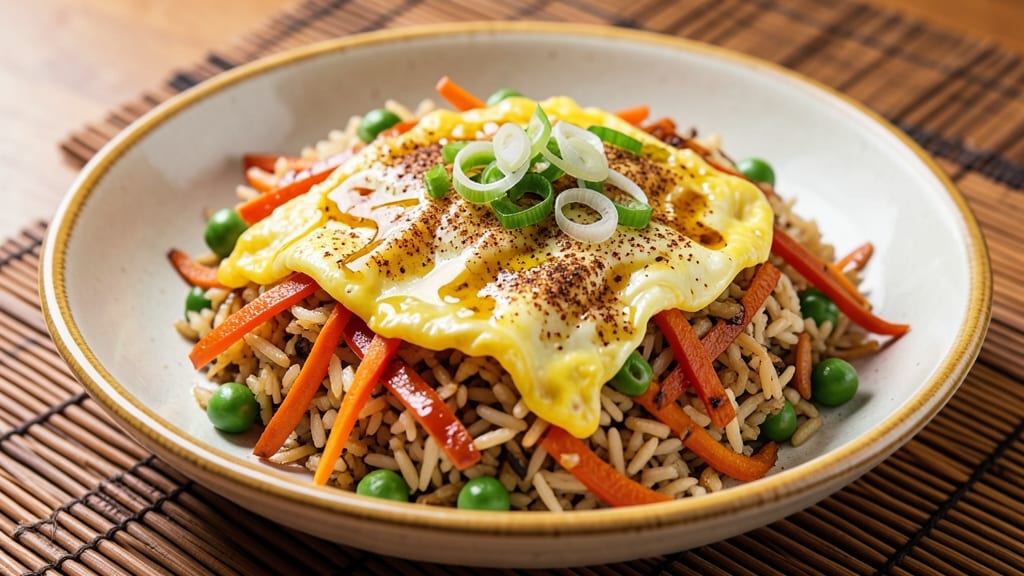
This Chinese special fried rice recipe transforms leftover rice into a restaurant-worthy dish with bold five-spice crunch and smoky egg ribbons. The secret lies in high-heat wok technique and precise ingredient timing—no soggy rice here. I've perfected this version after years of testing, balancing authentic flavors with approachable home-cooking methods.
What sets this fried rice apart is the aromatic five-spice blend that infuses every bite with warm, earthy depth, while the eggs are scrambled into delicate ribbons that add texture contrast.
The dish comes together in under 20 minutes using simple ingredients you likely already have on hand—day-old rice, eggs, vegetables, and basic pantry staples.
By the time you're done, you'll have a fragrant, golden-brown dish with perfect texture: tender rice grains, crisp vegetables, and those signature egg ribbons that melt in your mouth. The five-spice seasoning creates layers of complexity that elevate this beyond basic fried rice into something truly special.
Serve as a complete meal with protein like char siu or shrimp, or keep it vegetarian for a satisfying plant-based dish. The technique scales easily for families or dinner parties—just adjust the wok size accordingly. Let's get cooking!
Ingredients for chinese special fried rice
Day-old rice, vibrant veggies, and aromatic spices—this fried rice transforms simple ingredients into restaurant magic.
| Ingredient | Amount | Notes |
|---|---|---|
| Day-Old Cooked White Rice 🍚 | 4 cups | Cold, separated grains preferred |
| Large Eggs 🥚 | 4 whole | Room temperature for even cooking |
| Carrots 🥕 | 1 ½ cups | Diced small, bright orange color |
| Green Onions 🧅 | ½ cup | White and green parts separated |
| Peas 🌿 | ½ cup | Fresh or frozen, thawed |
| Five-Spice Powder 🌶️ | 1 ½ tbsp | Homemade or quality store-bought |
| Soy Sauce 🍶 | ⅓ cup | Light or regular, low-sodium preferred |
| Sesame Oil 🫒 | 1 tbsp | Toasted, for aroma |
| Vegetable Oil 🫒 | ½ cup | High smoke point for wok |
| Garlic Cloves 🧄 | 4 cloves | Minced finely for depth |
| Fresh Ginger 🌿 | 1 tbsp | Grated finely, aromatic |
| Salt 🧂 | ½ tsp | Kosher or sea salt |
| Black Pepper 🌶️ | ¼ tsp | Freshly ground for heat |
| Optional Protein 🍗 | 1 cup | Char siu or shrimp, diced |
The five-spice powder is non-negotiable here—it's what turns basic fried rice into something special. Penzeys or Trader Joe's have solid blends, but if you're feeling adventurous, mix your own with star anise, cinnamon, cloves, fennel, and Sichuan peppercorns. For the rice, day-old works best—fresh rice turns mushy. If you only have freshly cooked rice, spread it on a tray and refrigerate for 30 minutes first. The carrots should be bright orange—no pale, watery ones. And those green onions? Separate the white and green parts—the whites cook down, the greens add freshness at the end.
No five-spice powder? Substitute with 1 tsp each cinnamon, cloves, and fennel seeds—toast them first for deeper flavor. Fresh ginger not available? Ground ginger at half the amount works in a pinch. Using frozen peas? No need to thaw—just toss them in straight from the freezer. The optional protein can be swapped for tofu or mushrooms if you're keeping it vegetarian. And if you're short on time, pre-minced garlic and ginger from the store save minutes (though fresh is always better).
This dish reheats beautifully—just stir-fry again with a splash of water. Keeps for 3-4 days in the fridge, though it's best served fresh. For leftovers, store in an airtight container with a damp paper towel to keep the rice from drying out. The five-spice seasoning gets more aromatic as it sits, so reheat gently to preserve those warm, earthy notes. And if you make extra? Freeze portions for up to 3 months—perfect for busy weeknights.
Why You'll Love This Recipe
- Here’s what sold me: that textural contrast. The day-old rice stays separate (never mushy), the eggs add a silky richness, and the green onions deliver a fresh bite. Honestly, the first time I made it, I ate it straight from the pan—no shame.
- I’ll be real: this recipe costs me pennies. Carrots, peas, eggs, and a handful of onions—no fancy ingredients, just big flavor. Plus, it’s the ultimate leftovers savior. Double the batch, and you’ve got dinner covered for two nights running. Zero waste, all win.
Step-by-step instructions for Chinese special fried rice
Here's how to transform simple ingredients into restaurant-quality fried rice with a smoky five-spice crunch.
Prepare the Egg Ribbons with Five-Spice Crunch
Heat a wok or large skillet over medium-high heat with 1 tablespoon vegetable oil. Let it get hot enough so when you flick a drop of water, it sizzles and evaporates instantly. This high heat is crucial for those perfect egg ribbons.
Crack all 4 whole large eggs into a bowl, then whisk vigorously until the yolks and whites are completely combined. Pour the eggs into the hot wok and let them sit undisturbed for 5-7 seconds until the edges start to set. Here's the thing—you want to create those signature ribbons, so don't stir immediately.
Once the edges look set, gently push the eggs toward the center with a spatula, letting the uncooked egg flow to the edges. Sprinkle 1 tablespoon five-spice powder evenly over the eggs. When the eggs are about 80% cooked and forming ribbons, fold them together and remove from the wok, setting aside. This five-spice coating will give your fried rice that distinctive aromatic crunch.
Stir-Fry the Vegetables with Aromatics
Return the wok to medium-high heat and add another 2 tablespoons vegetable oil. Toss in the 1.5 cups diced carrots and stir-fry for 2-3 minutes until they begin to soften but still maintain a slight crunch. You're aiming for al dente texture—they'll cook further when combined with the rice.
Add the 4 cloves minced garlic and 1 tablespoon grated fresh ginger, cooking for 30 seconds until fragrant. The aroma should fill your kitchen—this is where the real flavor foundation begins. Next, add the ½ cup green onions (white parts only) and ½ cup peas, stirring for 1 minute until the peas are bright green and the onions just start to soften.
Combine All Ingredients for Perfect Texture
Push the vegetables to one side of the wok and add the remaining 2 tablespoons vegetable oil. Toss in the 4 cups day-old cooked white rice, breaking up any clumps with your spatula. Let the rice cook undisturbed for 1 minute to get a good sear on the grains.
Scrape the rice into the vegetable mixture and stir-fry for 2-3 minutes until everything is evenly coated and heated through. The rice should be hot but still slightly separate—this is key for that authentic fried rice texture. If using 1 cup diced optional protein, add it now and stir for another 1-2 minutes until heated through.
Finish with Seasonings for Balanced Flavor
Pour in the ⅓ cup soy sauce and 1 tablespoon toasted sesame oil, stirring vigorously to distribute evenly. Add the ½ teaspoon salt and ¼ teaspoon black pepper, then toss in the green onion tops for freshness. Cook for another 30 seconds until everything is well combined and the flavors meld together.
Taste and adjust seasoning if needed—you might want to add a splash more soy sauce for saltiness or a pinch of five-spice powder for more aroma. The final dish should have a perfect balance of smoky, spicy, umami, and fresh flavors. Serve immediately while hot, garnished with extra green onions if desired.
Pro Tips For Making Chinese Special Fried Rice
- STIR-FRY THE RICE DRY: Break up the cold rice with your hands or a fork first—wet clumps turn to gluey messes when you hit the wok. I learned this the hard way after watching my first batch turn into a sad, sticky puddle.
- SCRAMBLE EGGS FIRST: Push the eggs to one side of the wok and let them set slightly before mixing—this keeps them tender instead of rubbery. My grandmother swore by this, and she was right: scrambled eggs in fried rice should be soft, not scrambled again.
- CUT CARROTS SMALL: Julienne those carrots into matchsticks or smaller—they cook faster and blend better into the rice. I used to slice them thick and end up with chewy, undercooked chunks that ruined the texture.
- SAVE THE GREEN ONIONS: Chop the whites and greens separately, then add the whites first for flavor and the greens at the end for color. Sounds weird, but it works: the greens stay bright, and the whites crisp up nicely without burning.
Regional styles of this dish
Cantonese Classic
The original version of this fried rice hails from Guangzhou, where it's known as "Guangdong fried rice." Here, the five-spice blend is essential—traditionally using 1.5 tbsp for its warm, earthy notes that contrast beautifully with the smoky egg ribbons.
The Cantonese style emphasizes day-old rice for perfect texture, and I always use light soy sauce to keep the dish bright and flavorful rather than overly salty. 🌶️
In this version, the protein is often omitted or kept simple—think shrimp or char siu—but the star is always the five-spice seasoning. The dish should be served immediately, as the flavors meld best when hot.
I like to finish with extra green onions for freshness and a final sprinkle of five-spice powder for that signature aroma.
Sichuan Spicy Twist
For those who love heat, the Sichuan version swaps the five-spice for 1 tbsp Sichuan peppercorns and 1 tsp chili flakes, adding a numbing, fiery kick. The eggs are scrambled with doubanjiang (chili bean paste) for extra depth, and the dish is finished with pickled vegetables for tangy contrast.
I recommend using high-heat oil like peanut or avocado oil to handle the extra spice.
This version keeps the same core technique—high heat, quick cooking—but ramps up the complexity with dried shrimp or fermented black beans for umami. The five-spice is replaced with chili crisp for texture, creating a dish that's bold and addictive.
Serve with a side of cool cucumber salad to balance the heat.
Hong Kong Fusion
Hong Kong's take on fried rice often incorporates Japanese-inspired ingredients, like furikake seasoning or mirin in the soy sauce. The five-spice remains, but it's balanced with a splash of rice vinegar for brightness.
I love adding soft-boiled egg yolks to the center of each serving for a luxurious touch—just crack them in after the rice is cooked.
This version also often includes corn kernels and shredded chicken, creating a sweeter, slightly sweeter profile. The key here is to undercook the rice slightly so it stays tender when combined with the juicy egg yolks. Garnish with toasted sesame seeds and extra furikake for that modern fusion appeal.
Taiwanese Street Style
Taiwan's street food version is all about bold flavors and texture contrast. The five-spice is joined by white pepper and a touch of sugar to balance the savory notes.
The eggs are scrambled with cheese powder (yes, really!) for a creamy, cheesy twist that's surprisingly delicious. I use peanut oil for its rich aroma and high smoke point.
This style often includes crispy fried shallots and dried shrimp for extra crunch and umami. The rice is cooked with a pinch of baking soda (just ¼ tsp) to separate the grains perfectly.
Serve in a steamed bun for a handheld version, or pile it high on a plate with extra toppings for a shareable street-style dish.
Nutrition facts
Frequently asked questions
Why does the recipe call for day-old rice?
Freshly cooked rice is too moist and turns mushy when stir-fried. Day-old rice has firmer grains that absorb flavors better and maintain their shape while cooking. If you only have fresh rice, spread it on a tray and refrigerate for 30 minutes to dry it out slightly.
Can I make this fried rice without a wok?
Use a large, heavy-bottomed skillet or nonstick pan. The key is to keep the heat on medium-high and stir frequently to prevent burning. A cast iron skillet works especially well for retaining heat and creating that signature wok hei (breath of the wok) flavor.
What's the secret to perfect egg ribbons?
High heat and patience! Let the eggs sit undisturbed for 5-7 seconds after pouring, then gently push them toward the center to create those signature ribbons. The five-spice powder added at this stage gives them that distinctive aromatic crunch. Stir too early, and you'll break the ribbons.
How can I add protein without overcooking it?
For delicate proteins like shrimp or tofu, cook them separately first and add them to the wok just before combining everything. For heartier proteins like char siu or chicken, add them with the rice and stir-fry for only 1-2 minutes to heat through. Pre-cooking prevents them from drying out in the high-heat stir-fry.
What if my fried rice turns out too dry?
This usually happens if the rice was too old or overcooked. To fix it, add 1-2 tablespoons water or chicken broth and stir-fry for another 30 seconds to steam the rice slightly. For future attempts, use slightly fresher rice (but still day-old) and reduce the cooking time by 30 seconds.