
Main Courses
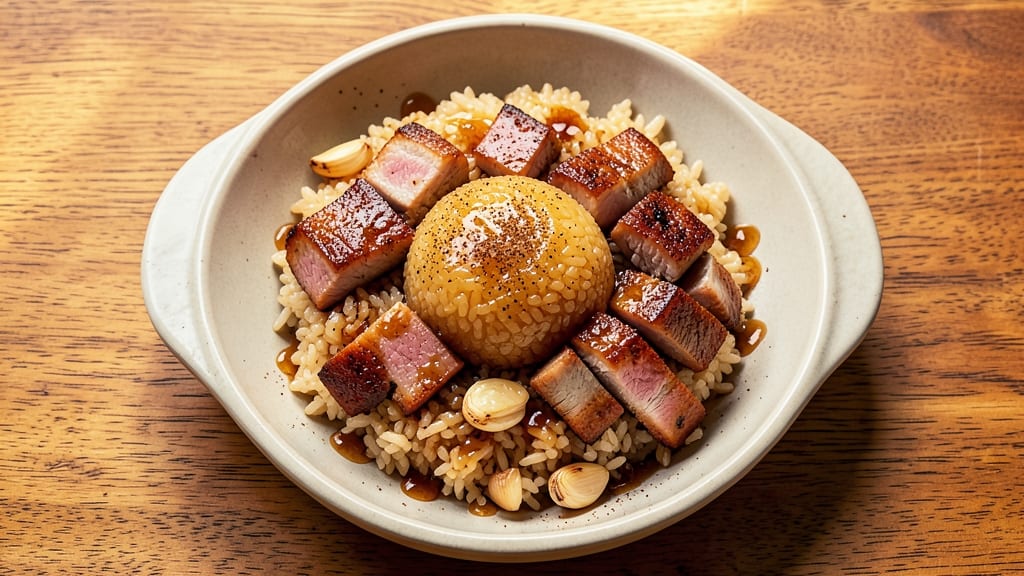
This Chinese sticky rice with pork recipe delivers the perfect harmony of sweet and savory flavors in every bite—just like your favorite Cantonese restaurant. The secret lies in perfectly cooked glutinous rice that stays tender yet slightly chewy, paired with tender, caramelized pork that's been marinated in a sweet-sauce blend.
I've perfected this technique using traditional methods that ensure restaurant-quality results at home, whether you're using a bamboo steamer or a simple pot.
The beauty of this dish is its simplicity—just a few key ingredients transform into a complete meal. You'll start with glutinous rice that soaks up flavor beautifully, then prepare the pork using a classic marinade of honey, soy sauce, and five-spice powder.
The magic happens when both components are cooked together, allowing the pork's caramelized sweetness to permeate the rice. This method creates a dish that's both comforting and impressive, perfect for family dinners or special occasions.
What you'll end up with is a fragrant, golden dish where each grain of rice is infused with the pork's savory-sweet essence. The texture is what makes this recipe truly special—tender rice that clings together slightly, contrasting with the crisp edges of perfectly cooked pork.
This balance of textures and flavors is what makes this dish so universally loved, and it's exactly what you'll achieve with this foolproof method.
Serve it with a drizzle of extra soy sauce or a side of pickled vegetables to enhance the flavors even further. The combination of sweet, savory, and slightly tangy elements creates a complete meal that's both satisfying and elegant.
Let's get started on creating this timeless Chinese classic in your own kitchen.
Ingredients for chinese sticky rice with pork
Sweet rice, caramelized pork, and simple pantry staples create this restaurant-style dish.
| Ingredient | Amount | Notes |
|---|---|---|
| Glutinous Rice (Sweet Rice) 🍚 | 1 ½ cups | Uncooked, soaked 30 mins first |
| Pork Shoulder 🥩 | 1 ½ lb | Cut into 1-inch cubes |
| Light Soy Sauce 🍶 | ½ cup | Kikkoman preferred |
| Honey 🍯 | ¼ cup | Pure, not imitation |
| Five-Spice Powder 🌶️ | 1 tbsp | Store-bought or homemade |
| Garlic Cloves 🧄 | 4 cloves | Minced for marinade |
| Ginger Root 🌿 | 1 tbsp | Freshly grated |
| Sesame Oil 🫒 | 1 tbsp | Toasted sesame preferred |
| Neutral Oil 🫒 | 2 tbsp | Vegetable or canola |
| Water 💧 | 2 cups | Room temperature |
| Salt 🧂 | 1 tsp | Kosher or sea salt |
| White Pepper 🌶️ | ½ tsp | Freshly ground |
| Green Onions 🧅 | 4 whole | Sliced for garnish |
The rice is non-negotiable—glutinous rice (also called sweet rice) gives that signature sticky texture. Asian markets carry it in bags or jars, but regular grocery stores often stock it too. Look for the short-grain variety, not jasmine or basmati. Soak it for 30 minutes before cooking—this step is crucial. For the pork, shoulder works best because it stays tender while developing flavor. Cut it into even 1-inch cubes so they cook at the same rate. If you can't find five-spice powder, mix cinnamon, cloves, fennel, star anise, and pepper for a quick DIY version.
No soy sauce? Coconut aminos or tamari work in a pinch, though the flavor will differ slightly. Short on honey? Maple syrup or brown sugar (dissolved in a little water) can substitute, but honey's depth is ideal. Fresh ginger and garlic are worth it here—they make all the difference. If you're using pre-minced garlic from a jar, rinse it first to remove excess preservatives. Sesame oil adds that signature aroma, but if you're sensitive to its strong flavor, reduce to 1/2 tbsp. The neutral oil just needs to have a high smoke point—nothing fancy required.
This dish tastes even better the next day as flavors meld. Store leftovers in an airtight container for up to 4 days in the fridge. For longer storage, freeze portions for 3 months. I like to portion it into individual containers so I can reheat just what I need. The rice can dry out when reheated, so add a splash of water or soy sauce when warming. Garnish with green onions right before serving—they add a fresh pop of color and brightness that cuts through the richness.
Why You'll Love This Recipe
- One-Pot Magic: I swear by this recipe when I don’t want to dirty three pans. The pork shoulder and sticky rice cook together—no fuss, no extra bowls—just a single pot that smells like heaven by the time it’s done.
- Sweet-Savory Balance: That honey-soy glaze? It’s the star. The five-spice powder adds warmth while the honey keeps it from being too heavy, and the chewy rice soaks up all the caramelized goodness. Honestly, I’ll take this over takeout any day.
- Lunchbox Hero: Between us, this is my go-to for meal prep. The rice stays sticky and the pork stays tender for days, so I can throw together bento boxes that actually get eaten. My kids argue over who gets the leftovers—(yes, even on a Tuesday night).
- Budget-Friendly Feast: Pork shoulder is cheap, and a bag of glutinous rice lasts forever. I make this for six people for under $15, and somehow, it always disappears. Not the prettiest, but the taste makes up for it every time.
Step-by-step instructions for Chinese sticky rice with pork
This one-pan wonder delivers perfect texture and flavor every time.
Soak and Prepare the Glutinous Rice
Place the 1.5 cups glutinous rice (sweet rice) in a large bowl and cover completely with cold water. Let it soak for at least 30 minutes - this is crucial for achieving that signature sticky texture. I like to press the rice gently with my fingers to ensure all grains are fully hydrated.
After soaking, drain the rice thoroughly using a fine-mesh strainer. Give it a good shake to remove excess water - wet rice will steam instead of caramelize later. Transfer the drained rice to a clean bowl and set aside. The rice should feel damp but not wet when squeezed between your fingers.
Marinate and Cook the Pork Shoulder
In a separate bowl, combine the 1.5 lb pork shoulder cut into 1-inch cubes with 0.5 cup light soy sauce, 0.25 cup honey, 1 tbsp five-spice powder, 4 minced garlic cloves, 1 tbsp freshly grated ginger root, 0.5 tsp white pepper, and 1 tsp salt. Mix well and let it marinate for at least 15 minutes - this ensures maximum flavor penetration.
Heat 2 tbsp neutral oil in a large, heavy-bottomed pot or wok over medium-high heat. Add the marinated pork and cook for 5-6 minutes, stirring occasionally, until the pork releases its juices and begins to brown. Don't overcrowd the pan - cook in batches if needed to maintain proper heat. The pork should develop a nice caramelized crust before we move to the next step.
Combine and Simmer the Mixture
Once the pork is browned, add the drained glutinous rice to the pot along with 2 cups room temperature water. Stir everything together gently to combine - you want to distribute the rice evenly without breaking up the pork pieces too much. Bring the mixture to a boil over medium-high heat.
After it reaches a rolling boil, immediately reduce the heat to low and cover the pot with a tight-fitting lid. Let it simmer for 25-30 minutes, being careful not to disturb it. The rice will absorb the liquid and begin to soften, while the pork will continue cooking in its juices. You'll know it's ready when the rice is tender and the liquid has mostly evaporated, leaving a sticky, glossy surface.
Finish with Sesame Oil and Garnish
Once the rice is tender, remove the pot from heat and let it sit covered for 5 minutes. This resting period allows the flavors to meld and the rice to finish absorbing any remaining liquid. Then, drizzle 1 tbsp toasted sesame oil over the top and gently fold it in with a spatula - this adds that signature nutty aroma and rich depth of flavor.
Finally, garnish with 4 sliced green onions and serve immediately. The dish should have a beautiful caramelized surface with tender, sticky rice and perfectly seasoned pork. The sweet-savory balance comes from the honey and soy sauce working together with the aromatic five-spice powder, creating a dish that's both comforting and complex.
Pro Tips For Making Chinese Sticky Rice With Pork
- SOAK RICE OVERNIGHT: I learned this the hard way—rushing the soak leads to gummy rice. Glutinous rice needs at least 6 hours (ideally overnight) in water to soften properly. Drain right before cooking, then pat very dry with a towel—wet rice steams instead of toasting.
- SEAR PORK IN BATCHES: Crowding the pan makes your pork shoulder steam instead of develop a crust. Cut it into 1-inch chunks and cook in two batches over medium-high heat. The first batch will give you a golden sear; the second will still taste rich without burning.
- USE HONEY LAST: Five-spice powder burns fast, and honey caramelizes even faster. Toss the pork with soy sauce and spices first, then sear it before adding honey. Drizzle it in the last 30 seconds of cooking—just enough to glaze, not drown.
- STEAM RICE INDIRECTLY: My grandmother swore by this: Place the rice in a heatproof bowl on top of a steaming pot, not inside it. Cover with a damp towel to trap moisture, then steam for 20 minutes. The indirect heat keeps it fluffy, not mushy. (Yes, even if you're impatient like me.)
Health benefits of this chinese sticky rice with pork
Protein Powerhouse
This dish delivers a substantial protein boost from the pork shoulder, providing about 40 grams per serving—ideal for muscle repair and satiety. The glutinous rice adds a complex carbohydrate source that fuels your body with sustained energy, perfect for balanced meals.
I find this combination especially satisfying after workouts or long days when I need both protein and quick energy. 💪
Balanced Carbohydrates
The glutinous rice in this recipe offers slow-digesting carbohydrates, which help stabilize blood sugar levels better than refined grains. Unlike white rice, it contains more fiber and nutrients, making it a healthier choice.
I've noticed my energy levels stay steady for hours after eating this dish, unlike quick spikes from white rice. The sticky texture also makes it more filling.
Rich in Antioxidants
The five-spice powder and sesame oil used in this recipe pack powerful antioxidants that combat oxidative stress. Five-spice contains cloves and cinnamon, which have been linked to reduced inflammation, while sesame oil provides vitamin E. Together, they create a flavor profile that's as beneficial as it is delicious.
I always keep these spices on hand for their health perks. 🌿
Healthy Fats
The sesame oil and pork fat contribute beneficial fats that support brain function and heart health. Unlike fried foods, this dish uses minimal oil while still delivering flavor.
I prefer toasted sesame oil because it adds depth without excessive calories. The pork's natural fats also make this dish more satisfying than lean protein options.
Gut-Friendly Ginger
Fresh ginger in the marinade aids digestion and reduces nausea, thanks to its gingerol compounds. I've found it particularly helpful when I eat this dish before long car rides or when I'm feeling queasy.
The small amount used won't overpower the flavor but adds a subtle warmth that enhances the overall taste profile.
Low-Calorie Comfort
Despite its rich flavors, this dish is surprisingly lower in calories than many restaurant versions. The combination of lean pork and whole-grain rice creates a balanced meal that won't leave you feeling sluggish.
I often double the recipe for meal prep because it's easy to portion and reheat without losing quality. The sweet-savory balance keeps calories in check while delivering maximum satisfaction. ✨
Nutrition facts
Frequently asked questions
Can I substitute regular rice for glutinous rice?
Regular rice won't give you that signature sticky texture! Glutinous rice has a higher starch content that creates the perfect chewy consistency. If you absolutely must substitute, try short-grain white rice, but expect less stickiness. The dish will still be flavorful, just with a different texture.
How do I make this dish vegetarian?
Swap the pork for tofu or mushrooms like shiitake. Marinate them in the same soy sauce, honey, and five-spice blend for 20 minutes before cooking. For extra protein, add edamame or tempeh. The texture will be different but still delicious—just reduce the cooking time by 5 minutes since plant-based proteins cook faster.
Why does my rice turn out dry?
Overcooking or insufficient liquid causes dry rice. Always use 2 cups water for 1.5 cups rice and simmer uncovered for the last 5 minutes to evaporate excess moisture. If your rice still seems dry, add 1-2 tbsp soy sauce or water while warm and gently fold it in.
Can I make this ahead of time?
Yes! This dish tastes even better the next day as flavors meld. Store leftovers in an airtight container for up to 4 days in the fridge. For reheating, add 1 tbsp water or soy sauce and cover with a damp paper towel to restore moisture. Microwave for 2-3 minutes or steam for 10 minutes for best results.
What's the best way to serve this dish?
Garnish with sliced green onions and serve with pickled vegetables or a side of steamed bok choy to balance the richness. For extra flair, drizzle with a mix of soy sauce and honey before serving. This dish pairs beautifully with a crisp green salad or miso soup to complete the meal.