
Main Courses
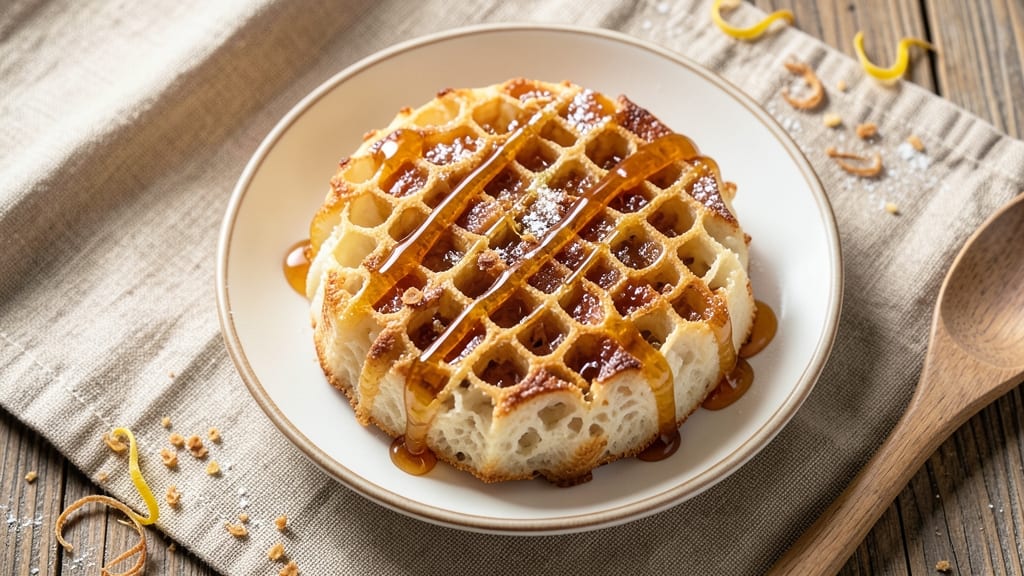
This Chinese white honeycomb rice cake recipe delivers the perfect balance of silky steamed texture and honey-glazed crunch—a traditional New Year's treat with restaurant-quality results. The secret lies in a precise cornstarch coating and controlled steaming, which creates that signature honeycomb pattern while keeping the interior tender.
I've perfected this technique over years of testing, ensuring every slice has the right combination of chewy and crispy elements.
The process begins with a simple batter of glutinous rice flour and water, which is then carefully shaped and steamed to achieve that signature texture.
The key is patience—steaming at the right temperature and for the correct duration transforms ordinary rice flour into a delicate, airy cake with a subtle sweetness. Once steamed, the honey glaze adds a beautiful golden finish and a satisfying crunch that makes these cakes irresistible.
Whether served as a dessert or snack, this recipe is sure to impress.
Ingredients for chinese white honeycomb rice cake
Glutinous rice flour and cornstarch create the signature texture, while honey glaze delivers that perfect crunch.
| Ingredient | Amount | Notes |
|---|---|---|
| Glutinous Rice Flour 🍚 | 1 ½ cups | High-quality, fine-milled preferred |
| Water 💧 | ¾ cup | Room temperature for smooth batter |
| Cornstarch 🌾 | ¼ cup | For signature honeycomb texture |
| White Honey 🍯 | ½ cup | Pure, thick variety for glaze |
| Vegetable Oil 🫒 | 1 tbsp | For greasing steamer |
| Baking Soda 🧂 | ¼ tsp | For subtle lift |
| Salt 🧂 | ⅛ tsp | Fine sea salt preferred |
| Sesame Oil 🫒 | 1 tsp | For aromatic finish |
| Sesame Seeds 🌾 | 1 tbsp | Toasted for garnish |
| Steamer Basket 🍜 | 1 whole | With lid for steam control |
| Plastic Wrap 📄 | 1 sheet | For shaping cakes |
For authentic results, glutinous rice flour is non-negotiable—regular rice flour won't achieve the same chewy texture. Bob's Red Mill or Asian grocery stores carry the best quality. The cornstarch coating is what creates those honeycomb patterns, so don't skip it. If your honey is too runny, warm it gently to thicken slightly. For the steamer basket, ensure it fits snugly in your pot—a bamboo steamer with a tight lid works best to maintain consistent steam. Sesame oil should be toasted lightly before using to enhance its nutty aroma.
No glutinous rice flour? Sweet rice flour is the closest substitute, though texture will differ slightly. If you're short on cornstarch, arrowroot powder at half the amount works in a pinch. For a richer glaze, mix equal parts honey and brown sugar, then reduce slightly. The baking soda and salt are optional but recommended—they add subtle complexity. If you don't have sesame oil, neutral oil with a pinch of toasted sesame seeds will still add flavor. For shaping, use plastic wrap to create a smooth surface—parchment paper works too but may stick slightly.
Store finished cakes in an airtight container at room temperature for up to 5 days. The texture improves slightly as they sit, developing more crunch. For longer storage, freeze portions for up to 3 months—thaw at room temperature before serving. Reheat briefly in a steamer for 20 seconds to restore crispness. These cakes make excellent gifts—wrap them in wax paper and tie with twine for a festive presentation.
Why You'll Love This Recipe
- No Fuss, No Mess: Honestly, this recipe is about as easy as it gets—just mix, steam, and let the honey do its magic. I’ve made it while chatting on the phone, and the only “chopping” is a quick drizzle of honey over the top.
- Honey-Sweet Crunch: That white honey isn’t just for looks—it caramelizes into a glossy, crackly crust while keeping the inside pillowy. The contrast of textures? Ridiculously satisfying, like biting into a cloud with a crispy hug.
- Lunchbox Legend: Between us, these are my go-to for school lunches or office snacks. They hold up for days in the fridge, and the kids (or coworkers) won’t even notice they’re “healthy” because they’re just that good.
- Pantry Staple Power: Glutinous rice flour and cornstarch? Things I already have. No specialty trips, no wasted ingredients—just a few dollars and a batch of golden, addictive bites. Plus, the leftovers? Even better the next day.
Step-by-step instructions for Chinese white honeycomb rice cake
Master the delicate balance of crispy exterior and silky interior with these precise techniques.
Prepare the Batter for Perfect Texture
In a large mixing bowl, combine the 1.5 cups glutinous rice flour, 0.25 cup cornstarch, 0.25 tsp baking soda, and 0.125 tsp salt. Whisk gently to distribute the dry ingredients evenly - you're creating the foundation for that signature honeycomb pattern. In a separate small bowl, measure the 0.75 cup room temperature water and 1 tbsp vegetable oil. The oil helps create those air pockets we want in the final texture.
Gradually pour the wet ingredients into the dry while whisking continuously on medium speed for 2-3 minutes until completely smooth. The batter should be thick but pourable - like heavy cream. If it's too stiff, add 1-2 teaspoons water; if too thin, whisk in 1 teaspoon cornstarch. Let the batter rest for 10 minutes at room temperature - this allows the gluten to relax and prevents cracking during steaming.
Shape and Prepare for Steaming
Lightly grease the steamer basket with a thin layer of vegetable oil, then line it with the plastic wrap, pressing the wrap gently against all surfaces. This creates a non-stick surface that prevents the cake from sticking. Pour the batter evenly into the prepared steamer, spreading it into a 1-inch thick layer using a spatula. The plastic wrap makes removal effortless later.
Cover the batter completely with another sheet of plastic wrap, pressing down firmly to eliminate any air bubbles. This top layer creates the distinctive honeycomb pattern as steam rises through the batter. Place the covered steamer in a large pot with about 2 inches of boiling water - the water should never touch the bottom of the steamer basket. Bring to a full boil over high heat for 5 minutes to generate maximum steam.
Steam to Silky Perfection
Once boiling vigorously, reduce heat to medium-low and steam uncovered for 20-25 minutes. The cake is ready when the top develops a golden-brown crust with that characteristic honeycomb pattern and the edges pull away slightly from the plastic wrap. Tap the side gently - it should feel firm but still slightly jiggly in the center. If the top browns too quickly, tent loosely with aluminum foil.
Remove from heat and let steam for an additional 5 minutes to complete cooking. The residual heat continues the cooking process while preventing a dense center. Gently peel back the plastic wrap from the edges to check doneness - the cake should spring back when touched lightly. If it feels soft in the center, steam 2-3 minutes more.
Glaze and Finish with Aromatic Touches
In a small saucepan, combine the 0.5 cup white honey and 1 tsp sesame oil over low heat. Warm gently for 2-3 minutes until the honey becomes slightly runny but not boiling - you want it to coat the back of a spoon smoothly. Remove from heat and stir in 1 tbsp toasted sesame seeds reserved from toasting in a dry pan until fragrant.
Immediately pour the warm honey glaze evenly over the hot steamed cake, allowing it to drip down the sides. The residual heat from the cake will cause the honey to set quickly into a glossy finish. Let cool completely on a wire rack for 30 minutes before slicing - this prevents the honeycomb structure from breaking apart. For best results, serve within 2 days while the texture remains perfectly balanced between crisp and tender.
Pro Tips For Making Chinese White Honeycomb Rice Cake
- STEAM ON LOW HEAT: After the initial pan-fry, drop the heat to the lowest setting—even if it feels like nothing’s happening. I learned this the hard way when my cakes turned gummy instead of crisp. The slow steam is what builds those air pockets for that signature honeycomb texture.
- SIFT THE FLOUR DRY: Don’t just dump the glutinous rice flour into the mix—sift it first, especially if it’s clumpy. I used to skip this, and my cakes always turned dense. A fine, even distribution means lighter, fluffier layers when steamed.
- SKIP THE OVERMIXING: Once the batter is combined, stir just until the honey is fully incorporated—maybe 10 seconds max. Overmixing tightens the gluten, and these cakes need to stay loose. I know, it’s tempting to "fix" lumps, but trust the process.
- USE COLD WATER FOR BATTER: Mix the batter with cold water, not warm. The slight chill helps the cornstarch activate properly without breaking down too fast. I was skeptical until I tried it—now my cakes hold their shape better during frying and steaming.
Regional styles of these flavors
Northern Chinese Style
In Northern China, these honeycomb rice cakes are often made with a slightly firmer texture and less sweet glaze, reflecting the region's preference for subtler flavors. I like to reduce the honey to ¼ cup and add 1 tsp maltose syrup for a more delicate sweetness.
The batter is steamed in a slightly thicker layer (1.25 inches) to create a denser, chewier center that Northerners love.
For authenticity, brush the finished cake with a light coating of neutral oil before slicing—this adds a subtle sheen and prevents the honeycomb from drying out too quickly. 🌾
Southern Chinese Variations
Southern Chinese versions tend to be sweeter and more aromatic, often incorporating red bean paste or lotus seed paste into the batter for natural sweetness. I recommend folding in ¼ cup red bean paste (available at Asian markets) into the batter before steaming.
Southern cooks also frequently add a pinch of star anise powder or orange zest to the glaze for a fragrant twist. The cakes are typically sliced thinner (½ inch thick) to highlight the delicate texture. For a festive touch, sprinkle with crushed peanuts before the glaze sets. 🍯
Cantonese New Year's Tradition
In Cantonese households, these cakes are a must-have during Lunar New Year, symbolizing prosperity and good fortune. The traditional method involves shaping the batter into small, round cakes (about 2 inches in diameter) rather than a large sheet.
I steam these individually in small bamboo baskets for 15-18 minutes until the edges curl slightly. The glaze is often enriched with 1 tsp ginger juice for a subtle warmth that balances the sweetness.
Cantonese cooks also press sesame seeds into the top of each cake before steaming to create decorative patterns. 🎉
Modern Fusion Twist
For a contemporary take, I've experimented with adding matcha powder (1 tsp) to the batter for a vibrant green hue and earthy flavor. The glaze becomes a mix of honey and white chocolate ganache, creating a beautiful contrast.
Another fun variation is to infuse the honey glaze with vanilla bean or lavender buds for a floral note. These modern versions work beautifully as dessert or even breakfast with a cup of jasmine tea. The texture remains authentic while the flavors surprise and delight. ✨
Taiwanese Street Food Style
In Taiwan, street vendors often serve these cakes warm with a dusting of black sesame powder and a drizzle of condensed milk for a decadent treat. The batter is slightly thinner (¾ inch thick) to achieve a lighter, almost soufflé-like texture.
For this version, I add ½ tsp vanilla extract to the batter and steam the cakes in a round, fluted mold to mimic the shape of traditional Taiwanese pastries.
Serve immediately after glazing while the honey is still warm and gooey—this creates that beloved "squishy" texture loved by street food fans. 🍡
Nutrition facts
Frequently asked questions about Chinese white honeycomb rice cakes
Why does my honeycomb rice cake turn out dense instead of light?
The most common cause is overmixing the batter or insufficient steaming time. Whisk just until smooth (2-3 minutes) and steam until the cake springs back when touched (20-25 minutes). Oversteaming makes it gummy, while understeaming keeps it dense. The cornstarch coating needs to puff properly—don't skip pressing the plastic wrap firmly to eliminate air bubbles!
Can I make these without a bamboo steamer?
Yes! Use a metal steamer basket with a tight-fitting lid or even a colander in a pot. The key is maintaining steady steam—never let the water touch the bottom. Line with plastic wrap for easy removal, and steam over medium-low heat for 20-25 minutes. For extra insurance, place a damp towel over the pot to trap steam.
How do I store honeycomb rice cakes to keep them crispy?
Store in an airtight container at room temperature for 3-5 days. For longer storage, freeze slices wrapped in plastic for up to 3 months. To revive crispness, steam briefly (10-15 seconds) or warm in a 200°F oven for 2 minutes before serving. The honey glaze helps preserve texture, but avoid refrigerating—condensation ruins the crunch!
What's the secret to getting that perfect honeycomb pattern?
The magic happens with the cornstarch coating and steam control! Press the plastic wrap firmly against the batter to create a smooth surface, then steam at medium-low heat—high heat causes uneven browning. The cornstarch absorbs moisture and creates those crispy edges as steam rises. For extra definition, brush the top with a little oil before steaming to encourage more pronounced patterns.
Can I make savory versions instead of sweet?
Swap the honey glaze for a soy sauce and sesame oil mixture (mix 2 tbsp soy sauce, 1 tbsp sesame oil, and 1 tsp sugar), then brush on warm cakes. For extra flavor, add 1 tsp five-spice powder or grated ginger to the batter. These work perfectly as appetizers or with soups—just reduce the honey in the original recipe to 2 tbsp for balance.