
Sauces & Condiments
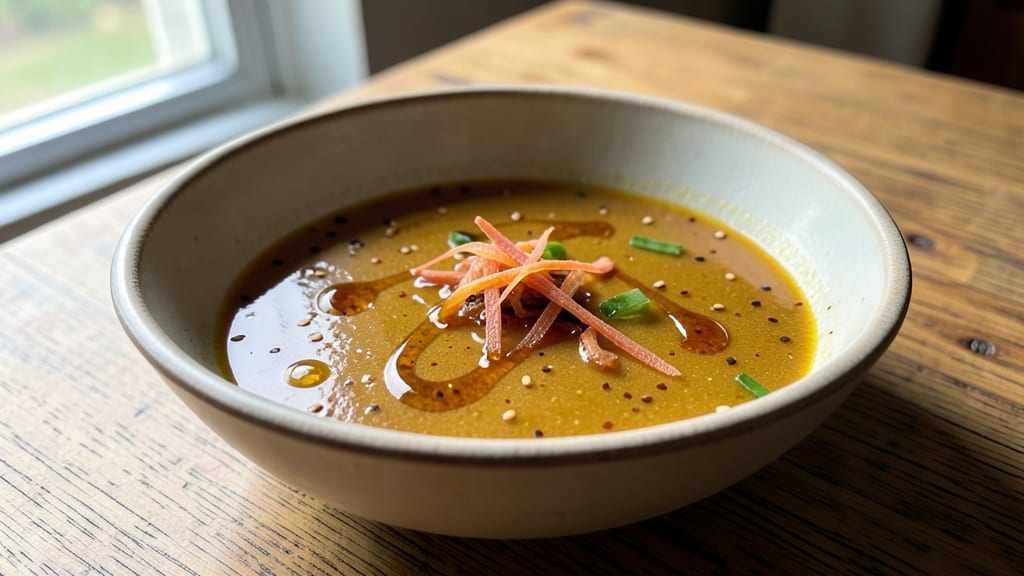
Transforming simple pantry staples into this umami-packed rice sauce is one of those cooking discoveries that changes how you approach stir-fries and noodles forever.
The balance of fermented rice vinegar, soy sauce, and aromatic garlic creates a glaze that’s both complex and versatile—perfect for adding depth to dishes without overpowering them. I developed this recipe after realizing store-bought versions lacked the fresh, bright quality of homemade.
What sets this sauce apart is its adaptability. Use it as a quick marinade for proteins, a glossy finish for stir-fried vegetables, or a tangy dipping sauce for dumplings and spring rolls.
The ingredients are straightforward—rice vinegar, soy sauce, garlic, ginger, and a touch of honey—but the combination delivers restaurant-quality flavor in just minutes. It’s also shelf-stable, so you can make a batch and keep it on hand for weeks.
The result is a sauce that’s rich yet balanced, with a subtle sweetness from honey and a sharp tang from the vinegar. It clings beautifully to noodles, enhances the natural flavors of vegetables, and adds a glossy sheen to any dish.
This isn’t just a condiment—it’s a flavor multiplier that elevates everything it touches.
Once you try this rice sauce, you’ll find yourself reaching for it in place of soy sauce or teriyaki in nearly every meal. Let’s make it—your taste buds will thank you.
Ingredients for rice sauce
Pantry staples transform into this versatile, umami-packed rice sauce for stir-fries and noodles.
| Ingredient | Amount | Notes |
|---|---|---|
| Fermented Rice Vinegar 🍶 | ½ cup | Pantry staple for tanginess |
| Low-Sodium Soy Sauce 🧂 | ½ cup | For umami depth |
| Garlic Cloves 🧄 | 4 cloves | Freshly minced, aromatic |
| Fresh Ginger 🌿 | 1 tbsp | Grate finely for warmth |
| Raw Honey 🍯 | 1 tbsp | Balances sharpness naturally |
| Sesame Oil 🫒 | 1 tsp | Toasted for nutty richness |
| Cornstarch 🌾 | 1 tsp | For glossy finish |
| Water 💧 | 2 tbsp | For slurry consistency |
| Salt 🧂 | ¼ tsp | Fine grain preferred |
The fermented rice vinegar is your secret weapon—look for the unrefined kind at Asian markets or the international aisle of Whole Foods. It’s what gives this sauce that bright, tangy bite without overpowering. If you can’t find it, apple cider vinegar works in a pinch, but the flavor’s subtly different. The garlic and ginger should be freshly minced—no jarred minced garlic here, it’s too watered down. I always grab organic ginger when I’m at the store, but even regular stuff works fine if it’s firm and aromatic.
No sesame oil? Toasted peanut oil is a great swap—it’s nutty but not as strong. Want to stretch this further? Add 1 tbsp of fish sauce for extra umami (trust me, it’s subtle but powerful). The cornstarch slurry is key for that glossy finish—don’t skip it, or the sauce will look dull. Honey isn’t negotiable for sweetness, but maple syrup works if you’re avoiding honey. And if you’re watching sodium, use tamari instead of soy sauce—it’s lower in salt but has the same depth.
This sauce keeps beautifully in the fridge for up to 3 weeks in an airtight jar. I always make a double batch and freeze half—thaw in the fridge overnight before using. The cornstarch slurry thickens as it cools, so stir well before serving. It’s also great for marinating proteins or drizzling over grilled vegetables. Just don’t let it sit out for more than 2 hours—vinegar-based sauces can develop bacteria if left at room temperature too long.
Why You'll Love This Recipe
- Here’s what sold me: you likely already have half the ingredients. The fermented rice vinegar and low-sodium soy sauce sit in my cupboard forever, and the garlic, ginger, and honey? Basic staples. Making this costs less than a takeout order, and leftovers keep for three weeks—perfect for meal prep or last-minute flavor boosts. Cheap, easy, and always delicious.
- No-Pan-Necessary Magic: Honestly, this sauce is the kind of thing I make while waiting for my coffee to brew—just toss everything into a saucepan, let it sing for a few minutes, and boom. The fermented rice vinegar and low-sodium soy sauce do all the heavy lifting, while the garlic and ginger just need a quick sizzle. No fancy prep, no stress.
- Sweet-Savory Balance: Between us, that raw honey is the secret weapon here. It doesn’t just sweeten—it tames the vinegar’s sharpness and lets the sesame oil shine with its nutty warmth. The result? A sauce that’s bold but never overpowering, with that perfect glossy finish from the cornstarch slurry. Trust me, one taste and you’ll forget store-bought.
- Drizzle, Glaze, Repeat: This isn’t just another sauce—it’s my go-to for everything from stir-fried greens to glazed tofu. Need a quick weeknight meal? Toss it with noodles. Hosting a potluck? Bring it as a dip. My daughter even asks for it on her plain rice (yes, even on a Tuesday night). Versatility doesn’t get better than this.
Step-by-step instructions for umami-packed rice sauce
This simple sauce delivers bold flavor with minimal effort—perfect for stir-fries and noodles.
Prepare the Aromatic Base
In a small saucepan, combine the ½ cup fermented rice vinegar and ½ cup low-sodium soy sauce. Place over medium heat and bring just to a gentle simmer. This is where the sauce's foundational tang and umami begin to meld.
Add the 4 garlic cloves, minced finely, and 1 tablespoon fresh ginger, grated as small as possible. Stir constantly for 1-2 minutes until the garlic turns a pale golden color and the ginger releases its fragrant oils. You'll smell the aromatics intensify—this is your cue that they're ready for the next step. Don't let them brown or burn, as that can turn bitter.
Sweeten and Toast the Sesame
Reduce the heat to low and stir in the 1 tablespoon raw honey. Let the mixture simmer gently for 2-3 minutes until the honey dissolves completely and the sauce begins to thicken slightly. This step balances the sharpness of the vinegar and soy sauce with natural sweetness.
Remove the saucepan from heat and stir in the 1 teaspoon sesame oil. The oil will add a nutty depth and help emulsify the sauce later. Let the mixture cool slightly—about 5 minutes—while you prepare the cornstarch slurry. This cooling step prevents the cornstarch from cooking too quickly and creating lumps.
Thicken for a Glossy Finish
In a small bowl, whisk together the 1 teaspoon cornstarch and 2 tablespoons water until completely smooth. This slurry is what will give your sauce that professional, glossy finish. Return the sauce to low heat and slowly pour in the cornstarch mixture while stirring constantly.
Simmer for 1-2 minutes until the sauce thickens to a syrupy consistency—it should coat the back of a spoon. If it thickens too quickly, add 2 tablespoons water to adjust. Taste and add the ¼ teaspoon salt if needed, though the soy sauce and vinegar should already provide enough seasoning. The sauce should now have a balanced sweet-savory-tangy profile with a velvety texture.
Rest and Adjust
Transfer the sauce to a small bowl and let it cool completely—about 10 minutes. This resting period allows the flavors to fully meld and the sauce to reach its ideal consistency. If the sauce thickens too much while cooling, whisk in 2 tablespoons water to loosen it.
Your umami-packed rice sauce is now ready to use. It's perfect for drizzling over stir-fries, tossing with noodles, or using as a glaze for grilled meats. Store any leftovers in an airtight container in the refrigerator for up to 1 week, though it's best used fresh for maximum flavor.
Pro Tips For Making Rice Sauce
- Grate Ginger Fine: DESCRIPTION: I used to throw in big chunks of ginger thinking it’d be fine—wrong. Grate that 1 tablespoon as small as possible so it dissolves completely into the sauce. You want warmth, not chewy surprises. A microplane works best if you’ve got one.
- Watch the Garlic: DESCRIPTION: That pale golden color for the garlic? Crucial. Let it cook just 1-2 minutes—no longer. Burnt garlic turns bitter fast, and you’ll taste it in every use of the sauce. Stir constantly and pull it off heat the second it hits golden.
- Cool Before Slurry: DESCRIPTION: I learned this after making a lumpy mess twice. Let the sauce cool slightly (about 5 minutes) before adding the cornstarch slurry. Cold sauce prevents instant thickening, so you’ll get that silky finish without scrambling.
- Toast Sesame Oil Off Heat: DESCRIPTION: Stir in that 1 teaspoon sesame oil after removing the pan from heat—it’s delicate. If you add it too early, the heat will scorch it, turning the nutty richness into bitterness. Just a quick mix and move on.
Serving suggestions for this dish
Drizzling Over Stir-Fries
This sauce is my go-to for stir-fries—especially when I’m cooking bell peppers, snap peas, and shrimp. Toss the cooked veggies and protein in a hot wok with 1-2 tablespoons of the sauce at the end of cooking.
The heat helps the sauce emulsify beautifully, coating everything in a glossy, tangy sheen. I like to finish with a sprinkle of sesame seeds and sliced green onions for texture and freshness. 🌶️
Tossing with Noodles
Rice noodles or udon become next-level when tossed with this sauce. After cooking the noodles, drain them and immediately toss with 2-3 tablespoons of the sauce. Add 1 tablespoon sesame oil and gently fold in.
For extra richness, stir in soft-cooked egg or crumbled tofu. The sauce clings perfectly, balancing the chewy noodles.
Marinating Proteins
Use this sauce as a marinade for chicken, pork, or tofu before grilling or pan-searing. Mix ¼ cup sauce with 1 tablespoon cornstarch and 1 tablespoon water to thicken slightly, then coat the protein.
Let it marinate for at least 30 minutes—or up to 4 hours in the fridge—for maximum flavor absorption. The result? Juicy, caramelized edges with a sweet-savory kick.
Dipping Sauce for Dumplings
Turn this sauce into a dipping sauce for homemade or store-bought dumplings. Thin it with 1-2 tablespoons water until it’s pourable, then drizzle over steamed or pan-fried dumplings. I love adding a dash of sriracha or chili crisp for heat, or a pinch of cayenne for subtle spice.
The tangy sauce cuts through the richness of fried dumpling skins.
Grilled Vegetable Glaze
Roasted or grilled vegetables get an instant upgrade with this sauce. Brush zucchini, eggplant, or asparagus with 1-2 teaspoons of the sauce before grilling, or drizzle it on top after cooking.
The caramelized edges from grilling pair perfectly with the sauce’s sweetness. For extra depth, add a sprinkle of toasted sesame seeds or crushed peanuts before serving.
Nutrition facts
Frequently asked questions
Can I use this sauce as a marinade for meats?
Mix ¼ cup of the sauce with 1 tablespoon cornstarch and 1 tablespoon water to thicken, then coat your chicken, pork, or tofu. Let it marinate for at least 30 minutes—or up to 4 hours in the fridge—for juicy, flavorful results. The sweet-savory blend caramelizes beautifully when grilled or pan-seared.
What if my sauce is too thick after resting?
No problem! Whisk in 1 teaspoon water at a time until you reach your desired consistency. The cornstarch slurry naturally thickens as it cools, so this adjustment keeps it pourable and ready for use. Always stir well before serving for even texture.
Can I make this sauce spicier?
Yes! Thin the sauce with 1-2 tablespoons water and stir in ½ teaspoon sriracha, 1 teaspoon chili crisp, or a pinch of cayenne pepper for heat. This works especially well as a dipping sauce for dumplings or noodles. Adjust to taste—start with less and add more if needed!
How do I store leftovers to keep them fresh?
Transfer cooled sauce to an airtight container and refrigerate for up to 3 weeks. For longer storage, freeze portions in ice cube trays—thaw in the fridge overnight before using. Always stir well before serving, as the sauce may thicken slightly when chilled.