
Main Courses
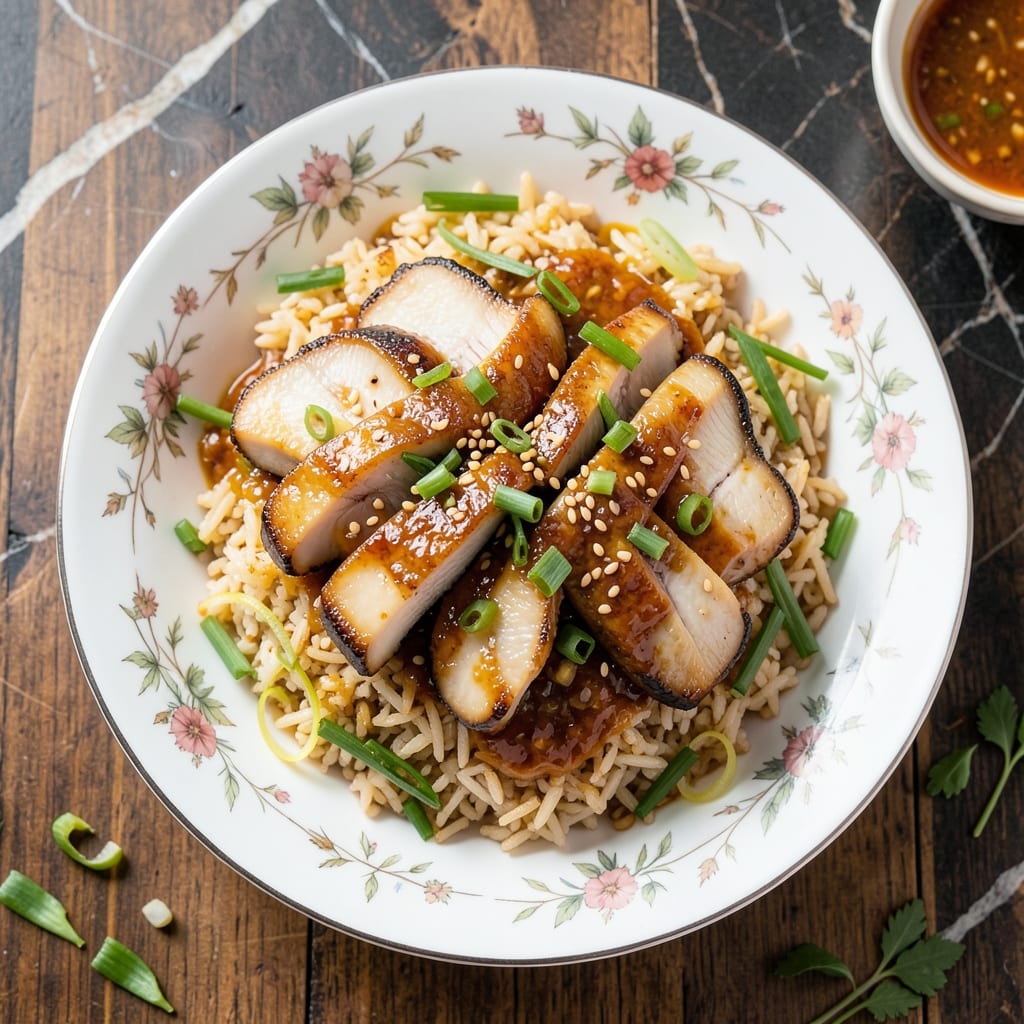
Abalone fried rice transforms this luxurious seafood into a restaurant-worthy dish with crispy wok-seared abalone and aromatic fried rice. The secret lies in properly preparing the abalone—slicing it thin for quick searing and achieving that signature caramelized crust—while balancing rich umami flavors with bright vegetables and fragrant jasmine rice. This isn't your average takeout fried rice; it's a pescatarian masterpiece that delivers melt-in-your-mouth texture and complex seafood flavor in every bite.
What sets this recipe apart is the technique: abalone is first marinated in a light cornstarch slurry to create crispy edges when seared, then finished with a quick wok toss that locks in moisture. Meanwhile, day-old rice gets toasted with garlic and ginger before being combined with a savory soy-based sauce that enhances rather than overwhelms the delicate seafood. The result is a harmonious blend where each component—crispy abalone, tender rice, and fresh vegetables—plays its part perfectly.
By the time you plate this dish, you'll have golden-brown abalone pieces resting atop fluffy, buttery fried rice, their edges still holding that satisfying crunch. Garnish with scallions, sesame seeds, and a drizzle of chili oil for color and heat, creating a visually stunning dish that's as impressive as it is delicious. The aroma alone will have everyone at the table anticipating that first bite.
This abalone fried rice works equally well as a special occasion meal or a sophisticated weeknight dinner. Serve with a side of miso soup or steamed bok choy to complement the rich seafood flavors. The recipe scales beautifully for groups, making it perfect for entertaining without sacrificing that restaurant-quality result.
Ingredients for abalone fried rice
Luxurious seafood meets buttery rice in this restaurant-quality abalone fried rice.
| Ingredient | Amount | Notes |
|---|---|---|
| Abalone 🦪 | ½ lb | Fresh, sliced 1/4-inch thick |
| Day-Old Jasmine Rice 🍚 | 3 cups | Cooked and cooled |
| Cornstarch 🌾 | 2 tbsp | For crispy crust |
| Sesame Oil 🫒 | 1 tbsp | For wok searing |
| Garlic Cloves 🧄 | 6 cloves | Minced for aroma |
| Fresh Ginger 🌿 | 1 tbsp | Grated for zing |
| Scallions 🧅 | 3 whole | Sliced for garnish |
| Carrots 🥕 | 1 cup | Julienned for crunch |
| Snow Peas 🌱 | ½ cup | Pods only |
| Soy Sauce 🥢 | 3 tbsp | Light or dark preferred |
| Oyster Sauce 🍜 | 1 ½ tbsp | For umami depth |
| Sesame Seeds 🌰 | 1 tbsp | Toasted for garnish |
| Chili Oil 🌶️ | 1 tbsp | For heat and color |
| Vegetable Oil 🫒 | ½ cup | High smoke point |
| Salt 🧂 | 1 tsp | Kosher preferred |
| Black Pepper 🌶️ | ½ tsp | Freshly cracked |
The abalone is the star here—freshness is non-negotiable. Look for abalone with a glossy sheen and firm texture at Asian markets or high-end seafood counters. Costco sometimes carries it frozen, but fresh is ideal. Slice it yourself for even thickness—1/4-inch pieces sear perfectly without drying out. The cornstarch slurry (just cornstarch + water) creates that signature crispy crust when seared. Don't skip this step—it's what makes this dish restaurant-worthy.
No sesame oil? Vegetable oil works in a pinch, but you'll lose that nutty aroma. The jasmine rice should be day-old—fresh rice turns mushy. For the vegetables, frozen peas work if fresh aren't available, but fresh carrots and snow peas add that bright crunch. The soy sauce-oyster sauce combo is key for umami—Kikkoman and Lee Kum Kee are my go-tos. Want more heat? Add a dash of Sichuan chili bean paste to the sauce mixture. The scallions and sesame seeds should go in last for freshness and presentation.
Abalone sears best fresh—use within 2 days of purchase. Store raw abalone in the fridge in a sealed container with a paper towel to absorb moisture. The fried rice reheats beautifully—just add a splash of water and microwave for 1-2 minutes. For meal prep, portion into containers with the abalone on top so it stays crispy. This keeps for 3 days in the fridge, but honestly, it disappears faster than that.
Why You'll Love This Recipe
- No-Chop Night: I swear by this trick—just slice the abalone into bite-sized pieces (no fancy prep) and toss them straight into the pan with the cornstarch. The rice gets crispy, the abalone stays tender, and honestly? My hands stay clean.
- Umami Bomb: That first bite of abalone—salty, briny, with the garlic sizzling in sesame oil—hits different. The day-old rice soaks up all the flavor, and the cornstarch gives it that perfect chewy texture. (Yes, even on a Tuesday night.)
- Office Lunch Hero: Between us, this is my go-to for meal prep. Pack it in a container, and it reheats like a dream—still crispy, still packed with that abalone punch. My coworkers think I’m a chef.
- Budget Luxury: Abalone might sound fancy, but a little goes a long way. I stretch it over rice, add a splash of soy sauce, and suddenly, a simple weeknight dinner feels like a restaurant meal. (My wallet thanks me.)
Step-by-step instructions for abalone fried rice
This luxurious fusion dish transforms day-old rice into a restaurant-worthy masterpiece with crispy abalone and vibrant vegetables.
Prepare the Abalone for Crispy Perfection
Pat the 0.5 lb abalone slices completely dry with paper towels—moisture is the enemy of that coveted crust. In a shallow bowl, combine the 2 tbsp cornstarch with 0.5 tsp black pepper and 1 tsp salt. Toss the abalone slices in this mixture until evenly coated, pressing gently to adhere the cornstarch to all surfaces. Let them rest for 5 minutes while you prep the remaining ingredients.
This step creates the signature crispy exterior we're after. If you see any thick edges, gently press them flat with your fingers—this ensures even cooking. The cornstarch acts as both a binder and a crisping agent, while the pepper adds subtle heat that pairs beautifully with the abalone's natural sweetness.
Build the Flavor Base in the Wok
Heat a wok or large skillet over high heat until smoking, then add the 0.5 cup vegetable oil. Once the oil shimmers (about 350°F), add the 6 cloves minced garlic and 1 tbsp grated fresh ginger. Stir-fry for 30 seconds until the garlic turns golden and fragrant—don't let it burn, or you'll taste bitterness. Add the 1 cup julienned carrots and 0.5 cup snow peas, cooking for 2 minutes until the carrots soften slightly but still retain their vibrant color.
The high heat is crucial here—it develops the Maillard reaction that creates deep, complex flavors. You want the vegetables to stay crisp-tender rather than mushy, so keep moving them constantly. This is where the foundation of your dish's flavor profile gets established, so don't rush this step.
Wok-Sear the Abalone to Golden Crispness
Working in batches if needed, add the abalone slices to the wok in a single layer. Cook undisturbed for 1 minute until the bottoms develop a golden-brown crust. Flip carefully and cook another 30 seconds until the opposite side is also golden. Remove the abalone and set aside on a plate. Repeat with remaining slices, then reduce heat to medium-high and add the 3 whole sliced scallions, cooking for 30 seconds until just wilted.
This is where the magic happens—the abalone should come out with a crispy exterior that gives way to tender, slightly chewy meat inside. If you see any slices curling, gently press them down with a spatula to ensure even cooking. The scallions add a fresh counterpoint to the rich abalone flavor.
Combine Rice and Sauces for Umami Depth
Return the wok to high heat and add the 3 cups day-old jasmine rice, breaking up any clumps with a spatula. Stir-fry for 2 minutes to heat through, then add the 3 tbsp soy sauce, 1.5 tbsp oyster sauce, and 1 tbsp sesame oil. Mix well, then pour in 1 tbsp chili oil and toss everything together for another 1 minute until the rice is evenly coated and heated through.
The day-old rice is key here—its slightly dry texture absorbs the sauces beautifully rather than turning mushy. The combination of soy and oyster sauces creates that signature umami depth we associate with great fried rice. The chili oil adds both heat and visual appeal, while the sesame oil contributes nutty aroma.
Finish with Garnishes and Serve Immediately
Return the abalone to the wok along with any accumulated juices. Gently toss everything together for 30 seconds to heat the abalone through without overcooking it. Remove from heat and transfer to serving plates. Garnish each portion with 1 tbsp toasted sesame seeds and an additional sprinkle of sliced scallions. Serve immediately while the abalone is still crispy and the rice is hot.
This dish is all about contrast—crispy abalone against tender rice, sweet carrots with peppery abalone, fresh scallions cutting through the richness. The toasted sesame seeds add both texture and visual appeal. Serve with extra chili oil on the side if you want to adjust the heat level to your preference.
Pro Tips For Making Abalone Fried Rice
- Prep Abalone Like a Pro: Cut the abalone into ½-inch cubes, then toss them in cornstarch before cooking—this keeps them from sticking to the wok like glue. I learned this the hard way after wrestling with a stuck-on mess that took 20 minutes to scrub out. ---
- Use Day-Old Rice (No Excuses): If your rice is fresh, spread it on a tray and microwave it for 2 minutes to dry it out—this prevents that sad, gluey texture. I used to skip this, and my fried rice always turned out mushy, no matter how much oil I added. ---
- High Heat, Fast Stir: Get your wok screaming hot before adding the abalone—this seals in juices and gives you that perfect crispy edge. After burning three batches, I finally figured out that patience at the start saves cleanup later. ---
- Toast Garlic Until Fragrant: Smash those garlic cloves first, then fry them in sesame oil until they’re golden and smell like heaven—this adds depth the raw garlic never will. Sounds simple, but I used to toss them in raw, and the dish felt flat.
Wine and beer pairings for abalone fried rice
White Wine Pairings
For this luxurious seafood dish, I recommend a crisp Chardonnay with subtle mineral notes—look for one from California's Sonoma Coast or New Zealand's Marlborough region. The wine's acidity cuts through the rich abalone and buttery rice, while its citrus undertones complement the chili oil. Avoid heavy, oaked Chardonnays that would overwhelm the delicate seafood flavors. 🍷
Sauvignon Blanc
A Sauvignon Blanc from Loire Valley or New Zealand brings vibrant acidity and herbal notes that mirror the fresh scallions and snow peas in your fried rice. The wine's zesty character refreshes your palate between bites of crispy abalone. I particularly love Cloudy Bay from Marlborough—its grapefruit and passionfruit notes pair beautifully with the dish's umami depth.
Light-Bodied Reds
If you prefer red wine, a Pinot Noir from Oregon's Willamette Valley offers enough fruitiness to complement the abalone without overpowering it. Look for one with bright cherry notes and a silky texture. The wine's subtle earthiness enhances the dish's savory elements while keeping the seafood as the star. Avoid heavy Cabernets—they'll clash with the delicate seafood flavors.
Asian-Inspired Options
For an authentic pairing experience, try a Chinese dry Riesling from Shandong province—these wines have a perfect balance of sweetness and acidity that mirrors the soy-oyster sauce combination. The Huadong brand is my go-to for this style. Alternatively, a Japanese Koshu offers delicate floral notes that complement the dish's fresh ingredients beautifully. 🍶
Beer Pairings
A crisp Japanese lager like Asahi Super Dry or Sapporo provides the perfect balance of clean carbonation and subtle malt sweetness. The beer's light body won't compete with the abalone's rich flavor, while its clean finish lets the dish's complex flavors shine. For a more adventurous option, try a Belgian witbier—the citrusy coriander notes complement the chili oil beautifully.
Non-Alcoholic Options
Don't drink alcohol? A sparkling yuzu soda from Japan (like Ramune) offers the same refreshing acidity as wine without the alcohol. Alternatively, a ginger beer with a touch of honey provides warmth that complements the dish's umami flavors. For something more traditional, try jasmine tea with a hint of lemon—it enhances the dish's floral and seafood notes without overpowering them. ✨
Nutrition facts
Frequently asked questions
Can I substitute fresh abalone with frozen for this recipe?
Frozen abalone works, but fresh is ideal for that signature crispy texture. If using frozen, thaw it overnight in the fridge and pat it completely dry before coating with cornstarch. For best results, avoid thick pieces—slice them 1/4-inch thick or thinner to ensure even cooking. The cornstarch coating will still create crispiness, but fresh abalone develops a more delicate flavor and firmer bite.
What's the secret to getting crispy abalone without drying it out?
The key is the cornstarch slurry and proper heat control. Pat the abalone bone-dry first, then coat it evenly with cornstarch and let it rest for 5 minutes before searing. Use a wok or skillet at high heat until smoking, and cook the abalone in 1-minute batches per side. The cornstarch creates a protective crust while the high heat locks in moisture. Overcrowding the pan steams the abalone instead of crisping it—work in batches if needed.
Can I make this recipe with regular white rice instead of jasmine?
Yes, but jasmine rice is recommended for its fragrant aroma and slightly sticky texture that holds up better to stir-frying. If using white rice, make sure it's day-old (fresh rice turns mushy) and cook it slightly less firm than usual. For extra insurance, spread the cooked rice on a tray and refrigerate for 1 hour to dry it out before using. The flavor won't be identical, but the technique will still work.
How do I adjust the heat level in this abalone fried rice?
For more heat, increase the chili oil to 2 tbsp or add 1 tsp Sichuan chili bean paste to the sauce mixture. For milder heat, reduce the chili oil to 0.5 tbsp or omit it entirely. You can also serve extra chili oil on the side so everyone can adjust to their preference. The abalone's natural sweetness balances any heat, so don't be afraid to experiment—just remember that the chili oil adds both flavor and color.