
Main Courses
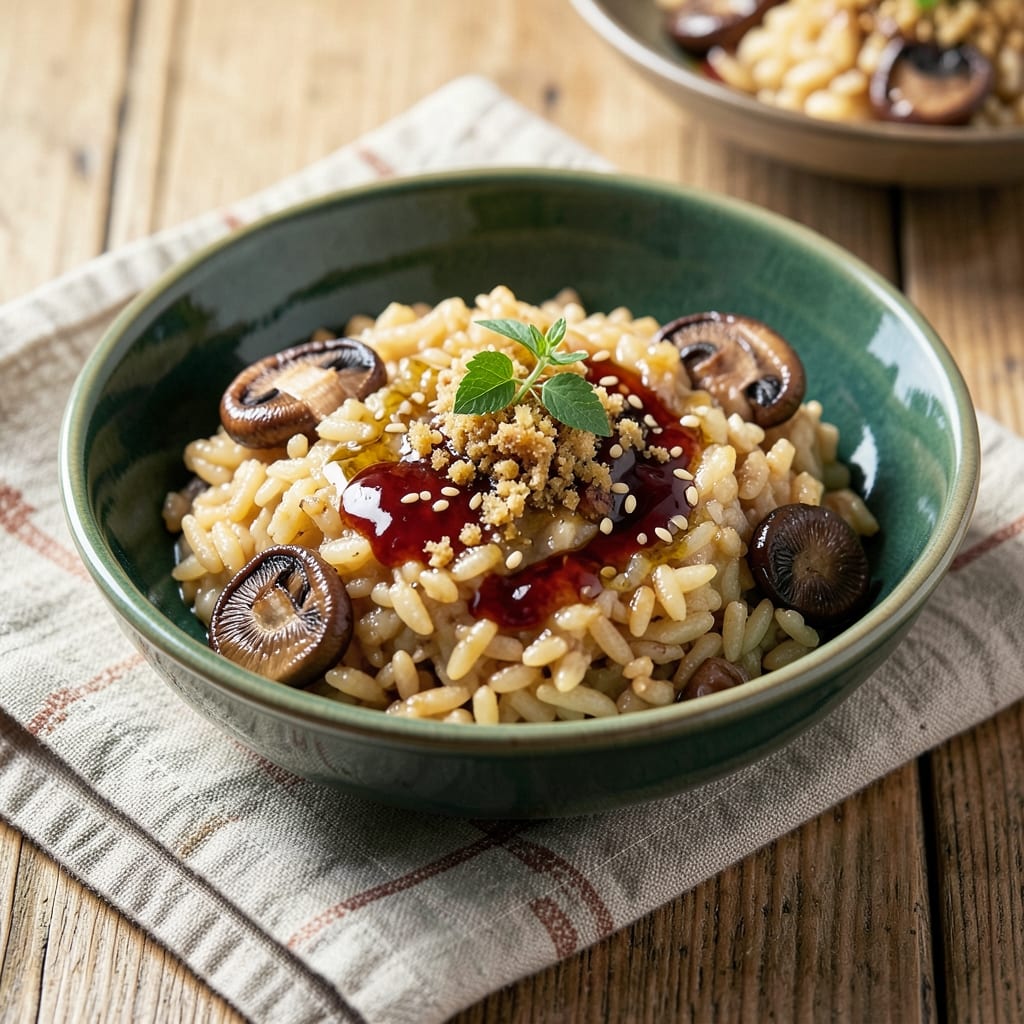
This Arborio sticky rice recipe transforms simple grains into a luxurious, wok-seared masterpiece with a golden crust and umami crunch. The secret lies in toasting the rice until deeply caramelized—creating a texture that’s crispy on the outside while remaining tender inside. I’ve perfected this technique after years of experimenting with Asian-inspired sticky rice dishes, and it’s become a staple in my kitchen for both weeknight dinners and special occasions.
The process begins with soaking the rice for at least 30 minutes to remove excess starch, ensuring each grain develops that signature chewy texture without turning mushy. Then, the real magic happens in the wok: high heat and constant stirring create the golden crust while preserving the rice’s natural stickiness. This method delivers restaurant-quality results with minimal effort—no special equipment required, just patience and attention to detail.
What you’ll end up with is a dish that’s visually stunning and deeply satisfying—each bite offers a perfect balance of crispy, caramelized edges and soft, flavorful centers. The umami crunch from the toasted rice pairs beautifully with savory sauces, coconut milk, or even a sprinkle of pandan for an aromatic twist. It’s the kind of recipe that elevates a simple grain into something extraordinary, making it a must-try for anyone looking to impress.
Whether you’re serving it as a side or the main event, this sticky rice recipe is versatile and foolproof. Perfect for pairing with grilled meats, stir-fries, or even as a standalone dish with a drizzle of soy-glazed sauce. Let’s get started—your taste buds will thank you.
Ingredients for arborio sticky rice
Simple grains and bold flavors transform into crispy, umami-packed sticky rice perfection.
| Ingredient | Amount | Notes |
|---|---|---|
| Arborio Rice 🍚 | 1 ½ cups | Uncooked, high-quality short-grain |
| Vegetable Oil 🫒 | ½ cup | High smoke point for toasting |
| Sesame Oil 🫒 | 1 tbsp | Toasted, for aroma |
| Soy Sauce 🥢 | 1 ½ tbsp | Light or dark variety |
| Mirin 🍶 | 1 ½ tbsp | Sweet rice wine |
| Dried Shiitake Mushrooms 🍄 | 4 whole | Rehydrated for umami depth |
| Garlic Cloves 🧄 | 4 cloves | Minced, aromatic |
| Fresh Ginger 🌿 | 1 tbsp | Finely grated, zesty |
| Green Onions 🧅 | 3 whole | Thinly sliced, for garnish |
| Sesame Seeds 🥜 | 1 tbsp | Toasted, for crunch |
| Salt 🧂 | 1 ½ tsp | Kosher or sea salt |
| Water 💧 | 2 ½ cups | Room temperature preferred |
The Arborio rice is non-negotiable here—its high starch content is what creates that signature sticky texture. Look for Italian-grown Arborio at specialty grocery stores or Asian markets, as it’s more flavorful than generic short-grain rice. For the mushrooms, dried shiitake from a bulk bin adds the most umami punch, but rehydrated canned shiitake works in a pinch. Toast the sesame seeds separately in a dry pan until golden—this brings out their nutty flavor and adds that essential crunch. The garlic and ginger should be freshly grated or minced, as pre-minced versions lose their vibrancy quickly.
No mirin? Substitute with 1 tbsp honey plus 1 tbsp rice vinegar—it won’t be identical, but it’ll get you close. Running short on sesame oil? Toasted peanut oil works surprisingly well, though it’ll have a different aroma. For the soy sauce, light soy is preferred for its cleaner flavor, but dark soy adds color if you’re serving this as a centerpiece dish. The water should be room temperature—cold water can prevent the rice from absorbing properly. If you’re feeling adventurous, swap half the water for coconut milk for a tropical twist, though the texture will be slightly creamier.
This rice reheats beautifully—just add a splash of water and cover with a damp towel to keep it moist. Stores well in the fridge for 4-5 days in an airtight container, though it’s best enjoyed fresh. For make-ahead prep, cook the rice completely, then refrigerate before finishing the wok-searing step—this ensures perfect crispiness when reheated. Freezes for up to 3 months if portioned into single servings. The golden crust develops best when served immediately, so plan to sear it right before eating if you’re going for that restaurant-quality crunch.
Why You'll Love This Recipe
- Stays Put, Won’t Fall: I’ve burned risotto before—this method actually works. The Arborio soaks up the mirin and soy sauce while you stir, then holds its shape like a dream. No mushy piles here.
- Umami Magic: That first bite? The sesame oil hits with a nutty punch, then the mirin and soy sauce sing together. It’s savory, slightly sweet, and sticks to your ribs—no heavy cream or butter needed.
- Lunchbox Hero: Make a big batch on Sunday, and it’s ready for work lunches all week. Keeps well in the fridge, reheats like a champ, and even my picky teenager grabs seconds. (Yes, even after school dinners.)
- Pocketbook Friendly: Arborio rice is cheap, and this recipe uses just a splash of sesame oil—no waste. A single pan, five ingredients, and you’ve fed four people for under $5. Budget meals that taste fancy? Done.
Step-by-step instructions for wok-seared umami crunch with golden crust
Transform simple Arborio rice into restaurant-quality sticky rice with crispy edges and deep umami flavor.
Toast the Dried Shiitake Mushrooms and Aromatics
First, rehydrate the 4 whole dried shiitake mushrooms by soaking them in warm water for 20 minutes. While they soak, heat 0.5 cup vegetable oil in a wok or large skillet over medium-high heat. Add the minced 4 cloves garlic cloves and 1 tbsp finely grated fresh ginger, stirring constantly for 30 seconds until fragrant but not browned.
Drain the mushrooms and add them to the wok, cooking for 2-3 minutes until they release their moisture and develop a rich, earthy aroma. Remove the mushrooms with a slotted spoon and set aside. You'll use them later for texture and depth. The oil should now be infused with garlic, ginger, and mushroom essence—this is your flavor foundation.
Toast the Arborio Rice for Nutty Depth
Increase the heat to high and add the 1.5 cups Arborio rice, stirring continuously for 3-4 minutes until the grains turn a pale golden color and release a toasty aroma. This step is crucial—it develops the rice's nutty flavor and prevents mushiness. Don't walk away; watch closely to avoid burning. Once the rice is toasted, immediately pour in the 2.5 cups water and 1.5 tbsp soy sauce, stirring gently to distribute evenly.
Bring to a boil, then reduce heat to medium-low, cover with a tight lid, and simmer for 15 minutes without disturbing. The rice will absorb the water and begin to transform into sticky, chewy grains. If you peek too early, you'll release steam and disrupt the cooking process. Trust the time—this is where the magic happens.
Infuse with Umami and Mirin
After the initial simmer, remove the lid and stir in the 1.5 tbsp mirin and the reserved shiitake mushrooms. The mirin adds sweetness and helps tenderize the rice, while the mushrooms contribute their umami richness. Return the lid and cook for another 5 minutes on low heat, letting the flavors meld. The rice should now be tender but still slightly firm—it will continue cooking off the heat.
Here's the thing—Arborio rice releases starch as it cooks, which creates that signature sticky texture. The mirin and soy sauce balance the flavors while enhancing the rice's natural sweetness. If the rice looks dry, add 1-2 tablespoons of water and stir gently to restore moisture.
Finish with Sesame Oil and Garnish
Transfer the rice to a serving dish and drizzle with 1 tbsp sesame oil, tossing gently to coat. The sesame oil adds a nutty aroma and helps create that glossy finish. Sprinkle with 1 tbsp toasted sesame seeds and thinly sliced 3 whole green onions for color and crunch. The contrast between the sticky rice, crispy mushrooms, and fresh green onions makes every bite exciting.
For the golden crust, here's a pro tip: Press the rice firmly into a shallow dish and let it sit for 5 minutes before serving. This allows the top layer to develop a crispy, caramelized edge—just like you'd find in a high-end Japanese restaurant. Serve immediately while the rice is still warm and sticky, with your favorite protein or vegetables on the side.
Pro Tips For Making Arborio Sticky Rice
- TOAST THE RICE FIRST: Heat your dry Arborio rice in a dry pan over medium-low for 2-3 minutes until it smells nutty and the edges turn translucent. This step deepens the flavor and prevents gummy texture—skip it, and you’ll end up with bland, sticky rice that clumps like glue.
- USE MIRIN LAST: Stir in the mirin only in the final 2 minutes of cooking, not at the start. It’s not just sweetener—it’s the glue that binds the rice’s starches, but adding it too early turns your rice into a syrup. Save it for when the rice is almost done and the liquid’s reduced to a thick paste.
- DON’T STIR AFTER THE FIRST 5 MINUTES: After the initial 5 minutes of cooking, resist the urge to poke or stir the rice. It releases too much starch too fast, turning your sticky rice into a dense, gluey mess. Let it sit undisturbed until the liquid’s absorbed, then finish with a gentle fold.
- SWAP SESAME OIL FOR FLAVOR: Toss in a teaspoon of toasted sesame oil after the rice is cooked, not during. It adds aroma without overpowering, and since it burns easily, adding it too early turns your dish bitter. A quick drizzle at the end? That’s how you get restaurant-quality depth.
Wine and beer pairings for this recipe
Japanese Sake Pairings
For this umami-rich sticky rice, I reach for a dry, crisp Junmai Daiginjo like Hakkaisan "Yamabiko"—its clean, floral notes cut through the rice’s caramelized depth without overwhelming it. The subtle sweetness of the sake also complements the mirin in the dish, creating a harmonious balance. Serve chilled to preserve the sake’s delicate aromatics, and pour just enough to highlight the rice’s texture rather than mask it. 🍶
Dry Riesling Harmony
A German Riesling with 2-3% residual sugar and bright acidity—like Dr. Loosen "Blue Slate"—is my go-to wine pairing. The citrus and green apple notes in the wine mirror the fresh ginger and green onions in the rice, while its crisp finish cleanses the palate between bites. Opt for a slightly cooler serving temperature (48-50°F) to enhance the wine’s refreshing qualities against the warm, sticky rice. 🍷
Light Lager Contrast
For beer lovers, a Japanese lager such as Sapporo Premium offers the perfect contrast. Its subtle malt sweetness and crisp, effervescent finish balance the rice’s umami and caramelized notes. The beer’s clean profile ensures it doesn’t compete with the dish, making each bite of the golden-crusted rice stand out. If you prefer hoppier options, a Pilsner like Asahi Super Dry works well, though its bitterness should be kept in check. 🍺
Umami-Boosting Sauces
To elevate the pairing, serve the rice with a drizzle of reduced soy-mirin glaze (simmer 1 tbsp soy sauce, 1 tbsp mirin, and ½ tsp grated ginger for 3 minutes). This adds another layer of umami that harmonizes beautifully with both the sake and wine pairings. For beer drinkers, a side of miso-glazed eggplant enhances the meal’s savory profile without overpowering the rice. ✨
Coconut Milk Twist
If you’re using coconut milk in your rice (as mentioned in the notes), pair it with a Thai-inspired white wine like Vietti "Langhe Bianco" or a lightly hopped Belgian witbier such as Stella Artois Wit. The wine’s floral and citrus notes complement the coconut’s creaminess, while the witbier’s spicy coriander and orange peel flavors create a refreshing contrast to the rich, sticky rice. 🌴
Nutrition facts
Frequently asked questions
Why does this recipe use Arborio rice instead of jasmine or basmati?
Arborio rice has a higher starch content that creates that signature sticky texture while staying firm. Unlike long-grain varieties, it releases starch slowly when cooked, giving it that perfect chewy bite. For this recipe, Italian-grown Arborio delivers the best balance of stickiness and nutty flavor when toasted.
Can I make this sticky rice without a wok?
Use a large skillet or deep frying pan with high sides to contain the rice while stirring. The key is maintaining high heat and constant stirring to develop that golden crust. A nonstick pan works best to prevent sticking during the toasting phase.
What's the secret to getting that golden crust?
Press the cooked rice firmly into a shallow dish and let it sit uncovered for 5 minutes before serving. The top layer will develop a crispy, caramelized edge from the residual heat. For extra crunch, sprinkle toasted sesame seeds on top before pressing.
How do I store leftovers to maintain texture?
Let leftovers cool completely, then store in an airtight container with a damp paper towel on top. Reheat gently in a steamer or microwave with a splash of water. For best results, reheat only what you plan to eat immediately to preserve that crispy texture.
Can I substitute mirin with something else?
Yes! Mix 1 tbsp honey with 1 tbsp rice vinegar for a similar sweet-tangy balance. The honey adds sweetness while the vinegar provides acidity. For a savory option, use 1 tbsp soy sauce plus ½ tsp sugar instead.