
Main Courses
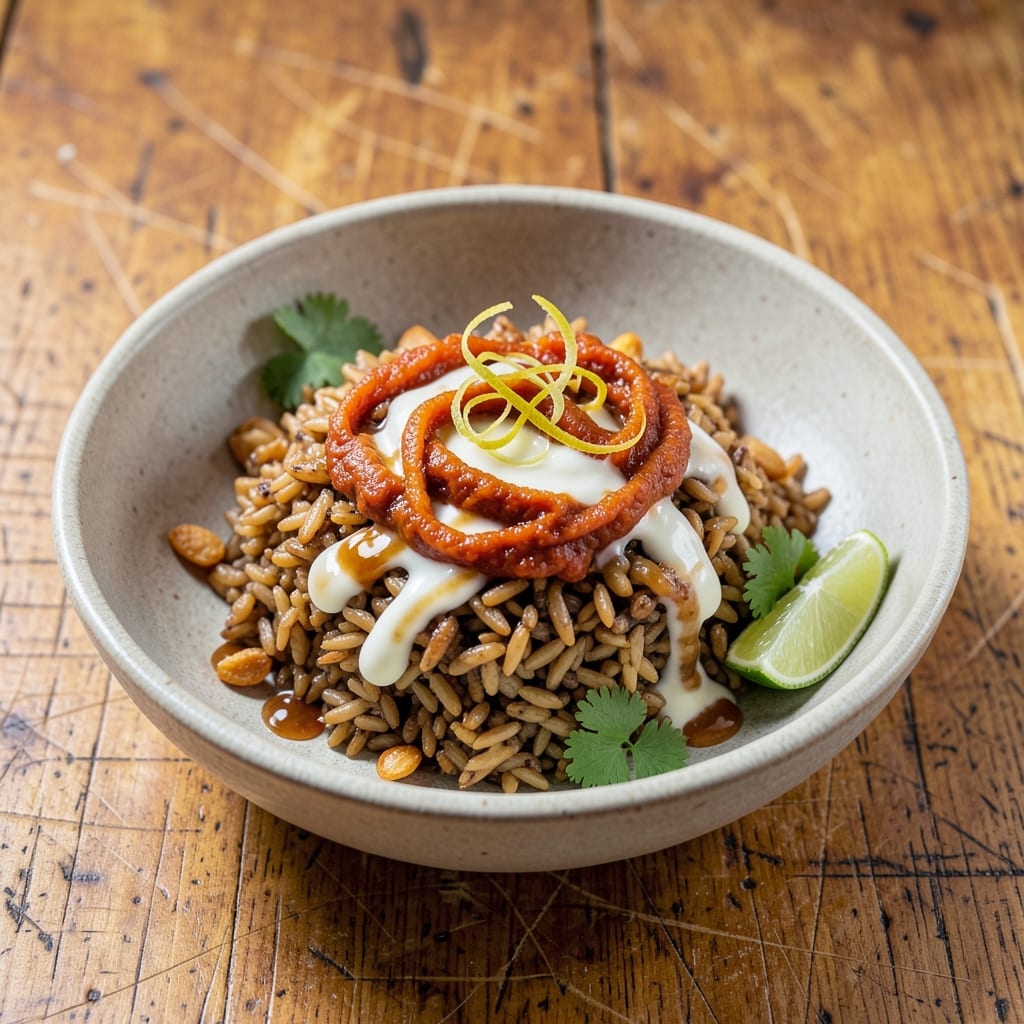
This Asian wild rice recipe transforms ordinary grains into a fragrant, wok-tossed fusion dish that blends coconut and lime for a bright, aromatic finish. The secret lies in perfectly cooked wild rice—nutty, chewy, and packed with texture—that absorbs the bold flavors of the stir-fry. I developed this recipe after years of experimenting with Asian-inspired grains, and it consistently delivers restaurant-quality results at home.
The process begins with steaming the wild rice until tender yet firm, then tossing it in a wok with coconut milk, lime zest, and a touch of fish sauce for depth. Optional protein additions like shrimp or tofu can be seared separately and combined at the end for a complete meal. The dish is adaptable to dietary preferences while maintaining its authentic flavor profile.
What you’ll end up with is a vibrant, fragrant bowl of wild rice with a perfect balance of creamy coconut, tangy lime, and savory umami notes. The texture contrasts beautifully—chewy rice, crisp-tender vegetables, and succulent protein—making every bite satisfying. This recipe is ideal for weeknight dinners or meal prep, as it reheats well while keeping its bold flavors intact.
Pair it with steamed bok choy, sesame-ginger dressing, or a sprinkle of toasted sesame seeds for extra crunch. The possibilities for customization are endless, but the foundation remains simple: nutty rice, bright flavors, and a satisfying wok-tossed finish. Let’s get cooking!
Ingredients for asian wild rice
Nutty wild rice meets bold Asian flavors in this fragrant coconut-lime fusion—perfectly balanced for restaurant-quality results at home.
| Ingredient | Amount | Notes |
|---|---|---|
| Wild Rice Blend 🌾 | 1 cup | Uncooked, long-grain preferred |
| Light Coconut Milk 🥥 | ¾ cup | Full-fat for creamier texture |
| Lime Zest 🍋 | 1 tbsp | From 1 large lime, finely grated |
| Red Curry Paste 🌶️ | 1 tbsp | Maesri or similar brand preferred |
| Fish Sauce 🍶 | 1 tbsp | Red Boat preferred, gluten-free |
| Brown Sugar 🍚 | 1 tbsp | Light or dark, packed |
| Garlic Cloves 🧄 | 3 cloves | Minced, fresh preferred |
| Ginger Root 🌿 | 1 tbsp | Freshly grated, peeled |
| Sesame Oil 🫒 | 1 tsp | Toasted, for aroma |
| Green Onions 🧅 | 3 whole | Thinly sliced, white and green parts |
| Vegetable Oil 🫒 | 1 tbsp | High smoke point for wok |
| Optional Protein 🍗 | 1 lb | Shrimp, tofu, or chicken breast |
| Salt 🧂 | ½ tsp | Diamond Crystal preferred |
| Black Pepper 🌶️ | ¼ tsp | Freshly cracked |
The wild rice blend is the foundation—look for a mix with brown rice, black rice, or wild rice for authentic texture. Lundberg or Uncle Ben's are reliable brands, but any premium blend works. For the coconut milk, full-fat delivers richer flavor, though light works in a pinch. The fish sauce is non-negotiable for umami depth; Red Boat is my go-to, but any reputable brand will do. Fresh ginger and garlic are essential—pre-peeled ginger root saves time, and mincing the garlic finely ensures even distribution throughout the dish. The lime zest should be vibrant yellow; avoid dried zest, as it lacks the bright citrus notes needed for balance.
No fish sauce? Soy sauce plus a dash of miso paste mimics the savory depth, though the flavor profile shifts slightly. Substitute coconut milk with light cream or cashew cream for a dairy-based alternative, though texture will differ. For the protein, firm tofu pressed for 20 minutes or shrimp thawed overnight work best. The curry paste can be adjusted—yellow for milder heat or green for extra spice. If you lack sesame oil, toasted sesame seeds sprinkled at the end add the same nutty aroma without the overpowering flavor. The brown sugar can be swapped for coconut sugar or maple syrup, though the caramel notes will vary slightly.
Wild rice absorbs flavors beautifully, so cook it al dente—it continues steaming after removing from heat. Store leftovers in an airtight container for 4-5 days, though the flavors deepen overnight. For meal prep, portion into glass containers to maintain freshness, and reheat with a splash of water or coconut milk to restore moisture. The dish reheats best at medium heat—avoid microwaving, as it can make the rice gummy. Garnish with extra lime zest and green onions just before serving to preserve their freshness.
Why You'll Love This Recipe
- One-Pot Wonder: I swear by this recipe when I’m too tired to wash a million bowls. Toss everything—wild rice, coconut milk, curry paste—into one pot, simmer, and walk away. The lime zest finishes it in seconds, no fuss.
- Umami Bomb: That fish sauce and red curry paste combo? It’s the secret weapon. The wild rice soaks up all the deep, savory notes while the coconut milk keeps it rich but not heavy. Add a squeeze of lime, and suddenly, every bite tastes like a little vacation.
- Lunchbox Hero: Between us, this is my go-to for meal prep. The flavors only get better after a day or two—perfect for packing lunches or feeding a crowd. Honestly, I’ve reheated portions for five days straight, and it’s still spot-on.
- Budget Stretch: Wild rice blend is pricier than white rice, but this recipe stretches it far. A single batch feeds four, and the coconut milk and fish sauce add restaurant-quality depth without breaking the bank. (Yes, even on a Tuesday night.)
Step-by-step instructions for fragrant coconut-lime wok-tossed wild rice
This fusion dish delivers aromatic depth through precise technique and layering.
Toast the Wild Rice Blend for Nutty Depth
Heat a large skillet over medium-high heat and add the 1 cup wild rice blend. Toast the grains for 3-4 minutes, stirring constantly, until they develop a golden hue and release a toasty aroma. This step enhances the nutty flavor profile of the wild rice and prevents mushiness during cooking.
I like to listen for the grains to sizzle gently—when you hear that sound, it's time to add the 0.75 cup light coconut milk and 1 tablespoon red curry paste. Stir immediately to prevent scorching. The curry paste will infuse the rice with its signature warmth, while the coconut milk adds creamy richness that balances the dish's complexity.
Build the Aromatic Base
Increase heat to medium-high and add the 1 tablespoon vegetable oil. Once shimmering, add the 3 cloves minced garlic and 1 tablespoon freshly grated ginger root, cooking for 30 seconds until fragrant. This quick sear develops the aromatic compounds without letting them burn—a common mistake that leads to bitter flavors.
Add the 1 tablespoon fish sauce, 1 tablespoon brown sugar, 0.5 teaspoon salt, and 0.25 teaspoon black pepper, stirring vigorously to combine. The fish sauce adds umami depth, while the brown sugar creates a subtle caramelization that rounds out the dish's acidity. Let the mixture cook for 1 minute until the sugar begins to dissolve and the aromatics meld.
Prepare the Protein
While the rice cooks, prepare the 1 pound optional protein according to your choice. For shrimp, pat dry and season with 0.25 teaspoon salt and 0.25 teaspoon black pepper. For chicken breast, slice into thin strips and marinate with 1 teaspoon sesame oil, 1 tablespoon lime zest, and 1 teaspoon fish sauce for 10 minutes. For tofu, press and cube, then pan-fry until golden before adding to the rice.
I recommend cooking the protein separately to maintain texture contrast. For shrimp, cook in a separate pan with 1 teaspoon vegetable oil over high heat for 2-3 minutes per side until just opaque. The protein should finish cooking quickly when combined with the rice to prevent overcooking.
Combine and Finish with Lime Zest
Return the rice mixture to a simmer over medium heat and cook for 15-18 minutes, stirring occasionally, until the rice is tender and the liquid has been absorbed. If the rice appears dry before absorption, add 1-2 tablespoons water to prevent burning. The texture should be al dente with a slight bite.
Stir in the cooked protein and 3 whole thinly sliced green onions, reserving the white parts for garnish. Remove from heat and immediately drizzle with the remaining 1 tablespoon lime zest and 1 teaspoon sesame oil. The lime zest brightens the dish with citrusy freshness, while the sesame oil adds a nutty aroma that ties all the flavors together.
Rest and Serve with Garnish
Let the dish rest for 3-5 minutes to allow the flavors to meld. This brief resting period ensures the rice absorbs all the aromatic oils and sauces, resulting in a cohesive texture. Serve immediately, garnished with the reserved green onion whites and an additional sprinkle of lime zest for visual appeal.
The final dish should feature tender wild rice with nutty undertones, perfectly cooked protein, and a bright, aromatic sauce that balances sweet, sour, and umami flavors. Each bite should deliver the complexity of Thai-inspired curry with the earthy richness of coconut and lime.
Pro Tips For Making Asian Wild Rice
- Toast the Rice First: Before adding liquid, dry-toast the wild rice blend in a pot for 3-4 minutes over medium-high heat—just until it smells nutty and fragrant. I learned this the hard way: skipping this step leaves the rice tasting flat, no matter how much coconut milk you add. ---
- Bloom the Curry Paste: Cook the red curry paste in coconut milk for 2-3 minutes before adding the rice—this lets the spices release their oils and deepen in flavor. I was skeptical until I tried it; now, my rice has that rich, aromatic base every time. ---
- Simmer, Don’t Boil: Once liquid is added, keep the heat low enough to maintain a gentle simmer (small bubbles, no rolling). Wild rice needs patience—rushing it turns the rice mushy and dulls the coconut flavor. Yes, even if you’re impatient like me. ---
- Finish with Lime Zest: Stir in the lime zest after the rice is fully cooked and off the heat—this brightens the dish without cooking out the citrus. I used to add it earlier, and it always tasted bitter. The last-minute touch makes a real difference.
Regional styles of this recipe
Thai-Inspired Fusion
This recipe draws from Thailand’s love of bold, aromatic flavors while keeping wild rice as the star. The red curry paste and fish sauce create that signature Thai depth, but I balance it with coconut milk for creaminess instead of traditional coconut cream. The lime zest adds a bright citrus note that cuts through the richness, much like in Thai green curries. 🌶️
For authenticity, I recommend using Maesri red curry paste—its blend of lemongrass, galangal, and kaffir lime leaves elevates the dish. If you can’t find it, Thai Kitchen paste works in a pinch, though it’s slightly sweeter. The sesame oil finishing touch is a nod to Thai street food, where nutty aromatics are key to balancing heat and acidity.
Japanese-Inspired Umami
Swap the fish sauce for 1 tablespoon soy sauce plus 1 teaspoon mirin to create a Japanese-inspired version. The lime zest remains for brightness, but add 1 teaspoon grated daikon radish to the rice for a subtle, earthy sweetness. Garnish with toasted sesame seeds instead of green onions for a more traditional Japanese touch. 🌿
For protein, use thinly sliced chicken thigh marinated in 1 tablespoon sake and 1 teaspoon grated ginger for 15 minutes. The umami from the soy sauce and mirin will shine, creating a dish that’s still fragrant but with a lighter, more delicate profile than the Thai version.
Korean-Inspired Spicy Kick
Transform this into a Korean-inspired dish by adding 1 tablespoon gochujang (Korean chili paste) to the rice mixture. Increase the brown sugar to 2 tablespoons and add 1 teaspoon toasted sesame seeds to the wok for depth. The lime zest can be swapped for 1 teaspoon grated pear to complement the spicy-sweet profile. 🌶️
For protein, use bulgogi-marinated beef (thinly sliced ribeye) or spicy tofu (tossed in 1 tablespoon gochujang and 1 teaspoon gochugaru). The heat from the gochujang pairs perfectly with the nutty wild rice, creating a dish that’s bold and satisfying.
Vietnamese-Inspired Freshness
For a Vietnamese twist, replace the fish sauce with 1 tablespoon nuoc mam (Vietnamese fish sauce) and add 1 teaspoon shrimp paste (mam tom) to the rice. The lime zest becomes essential here—Vietnamese cuisine relies on bright citrus to balance rich flavors. Garnish with fresh cilantro and mint leaves for a fresh, herbaceous finish. 🍋
Use shrimp or thinly sliced pork shoulder marinated in 1 tablespoon fish sauce, 1 teaspoon sugar, and 1 clove minced garlic. The shrimp paste adds a funky depth that’s quintessential to Vietnamese cooking, while the herbs keep the dish light and refreshing.
Nutrition facts
Frequently asked questions
Can I substitute regular rice for wild rice in this recipe?
Wild rice has a unique nutty flavor and chewy texture that regular rice can't replicate. For the best results, stick with wild rice blends—look for mixes containing brown rice, black rice, or wild rice. If you must substitute, try using jasmine rice or brown rice, but expect a different texture and flavor profile.
How do I prevent the wild rice from becoming mushy?
Toast the rice in a dry pan for 3-4 minutes before adding liquid to enhance its natural starches and prevent mushiness. Stir occasionally while cooking and avoid overcrowding the pan. If the rice seems dry before it's fully tender, add 1-2 tablespoons water instead of all at once.
What's the best way to store leftovers?
Transfer leftovers to an airtight container and refrigerate for up to 4-5 days. For reheating, add a splash of water or coconut milk to restore moisture. Avoid microwaving—reheat on the stovetop over medium heat to maintain texture. The dish reheats best when portioned into glass containers for even heating.
Can I make this dish vegetarian or vegan?
Skip the fish sauce and use 1 tablespoon soy sauce plus 1 teaspoon miso paste for umami. For protein, add extra-firm tofu pressed for 20 minutes or tempeh pan-fried until crispy. Garnish with toasted sesame seeds and fresh herbs like cilantro or mint for extra flavor.
Why does my rice taste bland compared to the recipe?
Fresh ingredients are key—especially the lime zest, fish sauce, and sesame oil. Use freshly grated lime zest (not dried), high-quality fish sauce like Red Boat, and toast your sesame oil lightly before adding. The curry paste should be fresh too—store-bought versions lose potency over time.