
Main Courses
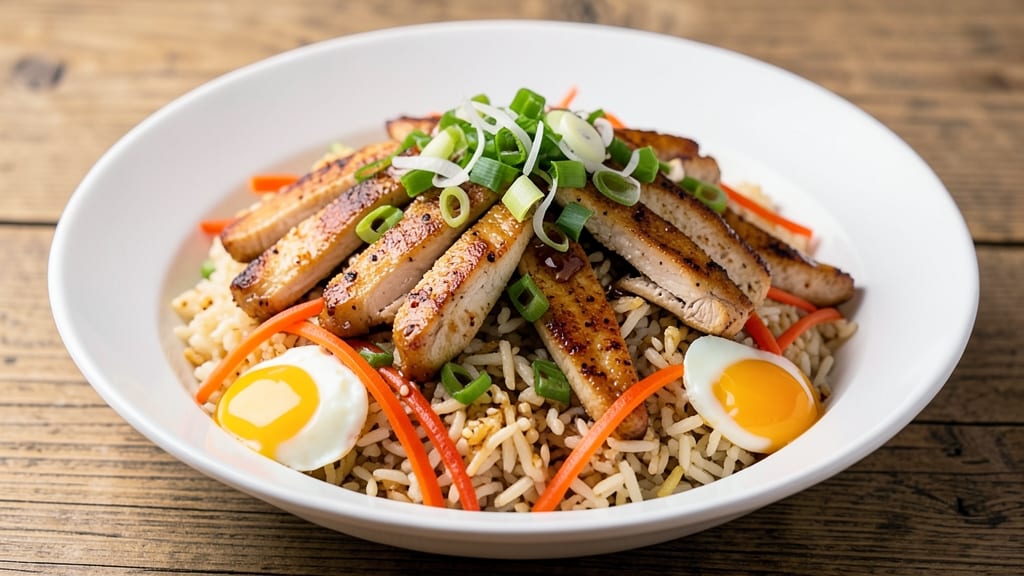
This chicken fried rice recipe step by step delivers the perfect balance of savory chicken, crisp-tender veggies, and fluffy rice—all achieved with a wok-mastered technique that transforms simple ingredients into restaurant-quality comfort food.
My grandmother's handwritten notes revealed the secret: high heat, quick cooking, and a well-seasoned sauce that coats every bite without overwhelming the natural flavors.
The magic starts with properly prepping your ingredients—thinly sliced chicken, day-old rice, and fresh vegetables—all cut uniformly for even cooking. A quick stir-fry of garlic, ginger, and scallions forms the aromatic base, while soy sauce, sesame oil, and a touch of sugar create the signature umami-rich sauce.
The key? Keeping everything moving in the wok to prevent sticking and maintain that signature crunchy texture.
What you'll end up with is a dish that's hearty enough for a family dinner but simple enough for a weeknight meal. The chicken stays juicy and tender, the rice absorbs just enough sauce to be flavorful without being soggy, and the vegetables retain their crispness.
Every bite delivers that perfect fusion of textures and flavors that makes chicken fried rice a global comfort food classic.
Whether you're feeding a crowd or just craving a satisfying meal, this recipe scales beautifully and comes together in under 30 minutes. The best part? It's a dish that gets better with leftovers—allowing the flavors to meld even more overnight. Let's get cooking!
Ingredients for chicken fried rice recipe step by step
The secret to restaurant-quality chicken fried rice lies in these 13 ingredients—crisp veggies, juicy chicken, and fragrant aromatics.
| Ingredient | Amount | Notes |
|---|---|---|
| Day-Old Cooked White Rice 🍚 | 4 cups | Cold or room temperature preferred |
| Boneless Chicken Breast 🍗 | 1 ½ lb | Thinly sliced against grain |
| Large Eggs 🥚 | 3 whole | Freshly beaten for scrambling |
| Carrots 🥕 | 1 cup | Julienned or thinly sliced |
| Green Onions 🧅 | ½ cup | Sliced into 1-inch pieces |
| Garlic Cloves 🧄 | 4 cloves | Minced finely for aroma |
| Fresh Ginger 🌿 | 1 tbsp | Grated finely (about 1-inch piece) |
| Soy Sauce 🍶 | ½ cup | Light or regular preferred |
| Sesame Oil 🫒 | 1 tbsp | Toasted for authentic flavor |
| Vegetable Oil 🫒 | 2 tbsp | High smoke point for wok |
| White Sugar 🍚 | 1 tbsp | Balances savory flavors |
| Salt 🧂 | 1 tsp | Kosher or sea salt preferred |
| Black Pepper 🌶️ | ½ tsp | Freshly ground for heat |
The chicken and rice are your foundation—day-old rice is non-negotiable (fresh rice turns mushy). For chicken, buy boneless breast and slice it paper-thin against the grain. Trader Joe's has pre-sliced chicken that saves time, but slicing yourself ensures even cooking. The carrots and green onions should be uniformly cut—about 1/8-inch thick for that signature crunch. Fresh ginger and garlic? Buy whole and grate/mince yourself—pre-minced loses potency fast.
No sesame oil? Toasted peanut oil works in a pinch, though the flavor won't be identical. Swap the soy sauce for coconut aminos if you're soy-sensitive (use half the amount). The eggs are key—room temperature eggs scramble better, so take them out 15 minutes before cooking. For extra protein, add 1 cup chopped mushrooms or 1/2 lb shrimp. The sugar might seem odd, but it rounds out the soy sauce's saltiness—trust the recipe on this one.
Store leftovers in an airtight container for 3-4 days—they taste even better reheated. Freeze portions for up to 3 months. Pro tip: Portion into single servings before freezing so you can microwave just what you need. The wok itself? Cast iron retains heat best, but a nonstick skillet works too—just don't overcrowd it. This dish reheats beautifully—cover with a damp paper towel in the microwave to keep it moist.
Why You'll Love This Recipe
- Here’s what sold me: the crispy bits of carrot and the bright green onions cutting through the richness of the chicken and egg. It’s that perfect balance—creamy, chewy, and fresh all at once.
- One-Pan Magic: I swear by this—just toss everything into one hot wok or skillet, no extra dishes. The chicken gets tender while the rice soaks up all the savory sauce, and those scrambled eggs? They melt right into every bite.
- Savory Crunch Combo: Here’s what sold me: the crispy bits of carrot and the bright green onions cutting through the richness of the chicken and egg. It’s that perfect balance—creamy, chewy, and fresh all at once.
- Lunchbox Hero: Between us, this is my secret weapon for packing leftovers. Cold fried rice the next day? Still delicious. Toss in some soy sauce and it’s like a whole new meal—great for lunches, potlucks, or when you just can’t face cooking again.
Step-by-step instructions for wok-mastered crunch and eggy protein fusion
Here's how to transform simple ingredients into restaurant-quality fried rice with perfect texture and bold flavors.
Prep All Ingredients for Maximum Efficiency
Start by slicing the 1.5 lb boneless chicken breast against the grain into thin strips—this ensures tender bites. Pat the 4 cups day-old cooked white rice completely dry with a clean kitchen towel to remove excess moisture, which prevents a mushy texture. Julienne the 1 cup carrots into thin matchsticks and slice the 0.5 cup green onions into 1-inch pieces for even cooking.
Mince the 4 cloves garlic cloves and grate the 1 tbsp fresh ginger finely—these aromatics form the flavor foundation. Crack the 3 whole large eggs into a bowl and beat them lightly with a fork. Measure out the 0.5 cup soy sauce, 1 tbsp white sugar, 1 tsp salt, and 0.5 tsp black pepper in small bowls for easy access during cooking. Organization is key here—the faster you can move, the better the final result.
Scramble the Eggs for Perfect Texture
Heat a wok or large skillet over medium-high heat and add 1 tablespoon of the vegetable oil. Once the oil shimmers, pour in the beaten eggs and let them sit undisturbed for 5-7 seconds—this creates a soft, custardy base. Using a spatula, gently push the eggs from the edges toward the center, folding them as they set until they're just set but still slightly moist—soft curds, not scrambled. Remove the eggs and set aside.
This step is critical for texture. Overcooking the eggs makes them rubbery, while undercooking leaves them raw. The eggs should hold their shape when pressed but still feel tender. Keep the wok hot for the next steps—you want to maintain that high heat for proper wok hei (breath of the wok).
Stir-Fry Aromatics and Chicken for Deep Flavor
Add the remaining 1 tablespoon vegetable oil to the wok and increase heat to high. Toss in the minced garlic cloves and grated ginger, stirring constantly for 10-15 seconds until fragrant—this should take seconds, not minutes, or they'll burn. Immediately add the sliced chicken and stir-fry for 2-3 minutes until it turns opaque and loses its pink color.
Here's where the magic happens: the high heat sears the chicken while the aromatics release their oils. Don't overcrowd the wok—work in batches if needed, but keep everything moving. The chicken should be cooked through but still retain moisture. If it starts sticking, add a splash of water and scrape up those flavorful browned bits from the bottom.
Combine All Ingredients for the Perfect Fusion
Push the chicken to one side of the wok and add the julienned carrots. Stir-fry for 1 minute until they begin to soften slightly. Add the sliced green onions and cook for another 30 seconds, then pour in the 0.5 cup soy sauce, 1 tablespoon white sugar, 1 teaspoon salt, and 0.5 teaspoon black pepper. Stir everything together for 1 minute to let the flavors meld.
Now add the 4 cups dry white rice, breaking up any clumps with your spatula. Toss everything vigorously for 2-3 minutes until the rice is heated through and begins to develop a slight crust on the edges. This is where the texture comes together—the rice should be hot but still slightly firm, not mushy. If it looks dry, add 1-2 tablespoons of water and stir.
Finish with Sesame Oil for Authentic Flavor
Return the scrambled eggs to the wok and toss everything together for 30-60 seconds until the eggs are heated through and the rice is evenly coated. Drizzle in the 1 tablespoon toasted sesame oil and stir quickly—this adds that signature nutty aroma and depth of flavor. Taste and adjust seasoning if needed, adding a splash more soy sauce if the dish tastes bland.
Serve immediately while the rice is hot and the wok hei still lingers in every bite. The perfect fried rice should have crispy edges on the rice, tender chicken, slightly caramelized carrots, and soft, custardy eggs throughout. This isn't just a side dish—it's a flavor-packed main event that comes together faster than you'd expect when everything is prepped properly.
Pro Tips For Making Chicken Fried Rice Recipe Step By Step
- CUT CHICKEN SMALL: I used to slice boneless chicken breast into ½-inch chunks, but after a few burnt batches, I switched to ¼-inch dice. Smaller pieces cook faster and soak up the soy sauce better—no more dry, rubbery chicken in your fried rice. (Yes, it takes 10 extra seconds, but it’s worth it.)
- USE COLD RICE: Day-old rice is non-negotiable, but don’t grab it straight from the fridge—let it sit at room temperature for 10 minutes first. Cold rice steams instead of frying, and you’ll end up with a soggy mess. Room temp rice sears up crisp in seconds, not minutes.
- SCRAMBLE EGGS SEPARATELY: I learned this the hard way—adding eggs to the rice pan turns them into rubbery blobs. Push all the rice to one side, scramble the beaten eggs in the empty space with a splash of soy sauce, then mix. The eggs stay fluffy, and your rice won’t turn into a gluey disaster.
- SAUTE VEGETABLES FIRST: Carrots and green onions need 2-3 minutes in the wok before the chicken goes in—this builds flavor. If you toss them in last, they’ll just steam and turn mushy. High heat and a quick stir-fry are all they need to stay crisp. (I know, I know—it’s tempting to rush.)
Wine and beer pairings for these flavors
Crisp White Wine
My grandmother always swore by a chilled Riesling with fried rice—its bright acidity cuts through the richness while enhancing the dish's savory notes. Look for a dry or off-dry German Riesling like Dr. Loosen Blue Slate or Chateau Ste.
Michelle. The slight sweetness balances the soy sauce's saltiness, creating harmony in every bite. Serve it slightly cooler than room temperature (around 50°F) to preserve its crispness. 🍷
Light Lager Pairing
A Japanese lager like Asahi Super Dry or Sapporo is my go-to beer pairing—its clean, crisp profile complements the dish without overpowering it. The subtle hop bit enhances the chicken's savory depth, while the light body prevents the fried rice from feeling heavy.
For a local option, Miller Lite or Coors Light work surprisingly well, especially if you prefer a more approachable American style. Keep it cold (around 40°F) to highlight its refreshing qualities. 🍺
Spiced Rum Cocktail
For a boozy twist, I love mixing dark rum (like Kraken Black Spiced Rum) with a splash of pineapple juice and a squeeze of lime. The rum's caramel notes echo the fried rice's soy-sweet balance, while the pineapple adds tropical brightness.
Serve over ice in a rocks glass—this cocktail's warmth contrasts beautifully with the dish's crisp textures. Pro tip: Add a pinch of cinnamon to the rim for an extra aromatic touch. 🍹
Green Tea Infusion
If you prefer non-alcoholic options, a hot jasmine green tea with a dash of honey creates an elegant pairing. The tea's floral notes complement the ginger and garlic aromatics, while its natural sweetness mirrors the dish's subtle sugar balance.
Brew it just before serving to maintain freshness—Twinings Jasmine Pearl is my go-to for this. The warmth of the tea also helps cleanse the palate between bites. ☕
Seasonal Adaptations
Summer calls for a sparkling rosé (like Whispering Angel) to refresh the palate, while winter pairs beautifully with a bold red blend (such as Caymus Vineyards Cabernet Sauvignon). For spicier versions, a dry Riesling or Sake (like Dassai Junmai) enhances the heat.
The key is matching the drink's intensity to the dish's seasoning—never let the beverage compete with the fried rice's star ingredients. 🌿
Nutrition facts
Frequently asked questions
Why does the recipe call for day-old rice instead of fresh?
Day-old rice is essential because it's dry and separate—fresh rice is too moist and turns mushy when stir-fried. The grains absorb the sauce better and develop that signature crispy texture. If you only have fresh rice, spread it on a baking sheet and refrigerate for at least 2 hours before using.
Can I make this with frozen chicken instead of fresh?
Yes, but thaw and pat the chicken completely dry first—excess moisture makes it steam instead of sear. For best results, slice it against the grain even when frozen, then thaw in the fridge overnight. If short on time, use the microwave's defrost setting, then blot with paper towels to remove all moisture.
What's the secret to getting crispy edges on the rice?
High heat and proper technique! Use a wok or cast iron skillet on high heat—the rice needs to develop a slight crust from the bottom. Work quickly and toss constantly, breaking up clumps. If the rice sticks, add 1/2 tablespoon water at a time while stirring until it releases. The edges should be golden when done.
How do I adjust the seasoning if I don't have soy sauce?
Use a mix of 1/4 cup coconut aminos (soy-free), 1 tablespoon fish sauce, and 1 teaspoon oyster sauce for depth. For a vegetarian version, swap soy sauce for 1/4 cup tamari plus 1 teaspoon mushroom sauce. Always taste as you go—fried rice is forgiving with seasoning adjustments!
Can I make this ahead of time for meal prep?
Store in an airtight container in the fridge for 3-4 days or freeze for up to 3 months. Reheat in the microwave with a damp paper towel over the dish for 1-2 minutes, then stir. For best texture, reheat only what you'll eat immediately—freshly fried rice has that signature crunch!