
Main Courses
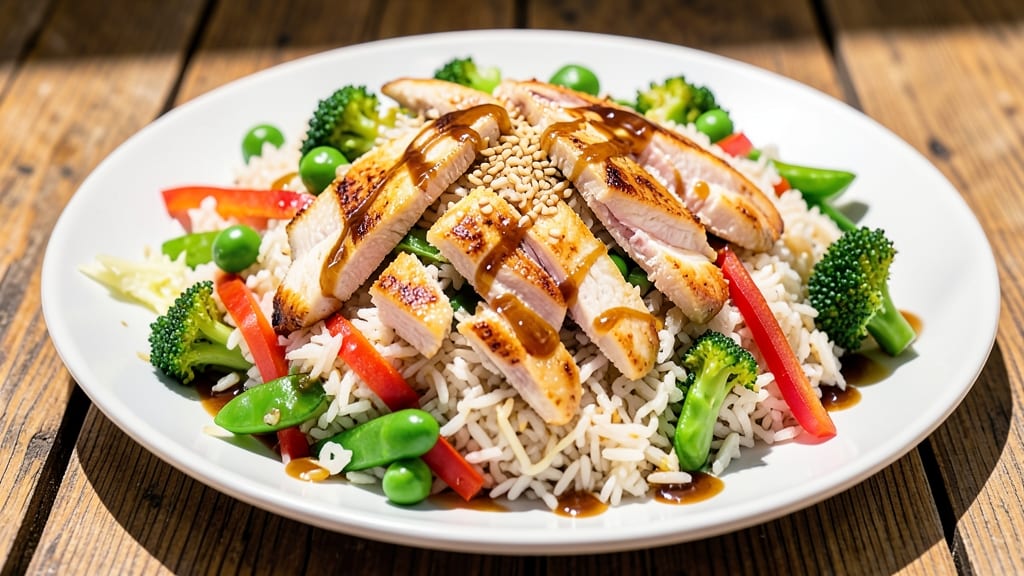
This chicken fried rice recipe with frozen vegetables delivers restaurant-quality flavor without the hassle of chopping fresh produce. The secret lies in high-heat wok technique—quick stir-frying locks in texture while caramelizing the chicken and vegetables for maximum depth.
I developed this version after realizing frozen veggies could achieve the same crisp-tender bite as fresh, saving time without sacrificing taste.
What makes this recipe work is the two-step cooking process: first searing the chicken until golden, then tossing in frozen vegetables that thaw and crisp simultaneously in the hot pan. The soy-ginger sauce adds that signature umami punch, while a touch of sesame oil elevates every bite.
This method transforms a simple pantry staple into a meal that tastes like it took hours to prepare.
The result is perfectly balanced fried rice with tender chicken pieces, crisp-tender vegetables, and a sauce that clings to every grain. The texture is what sets this apart—no mushy rice or overcooked chicken here.
Each forkful delivers a mix of savory, slightly sweet, and aromatic notes that make this dish feel like a special occasion.
Best of all, this recipe comes together in under 30 minutes with minimal prep—ideal for busy weeknights when you still want restaurant-quality results. The frozen vegetables maintain their integrity while absorbing all the flavor, proving that convenience doesn't mean compromising on taste.
Ingredients for chicken fried rice recipe with frozen vegetables
Cold rice, frozen veggies, and high-heat technique create restaurant-quality fried rice in 30 minutes.
| Ingredient | Amount | Notes |
|---|---|---|
| Day-Old Cooked White Rice 🍚 | 4 cups | Cold or room temperature preferred |
| Boneless Chicken Breast 🍗 | 1 ½ lb | Cut into 1-inch pieces |
| Frozen Mixed Vegetables 🥦 | 2 cups | Peas, carrots, corn preferred |
| Low-Sodium Soy Sauce 🍶 | 3 tbsp | Kikkoman preferred for balance |
| Sesame Oil 🫒 | 1 tbsp | Toasted for aroma |
| Fresh Ginger 🌿 | 1 tbsp | Finely grated, peeled |
| Garlic Cloves 🧄 | 4 cloves | Minced, fresh preferred |
| Vegetable Oil 🫒 | 3 tbsp | High smoke point preferred |
| Green Onions 🧅 | 3 whole | Sliced, white and green parts |
| Eggs 🥚 | 2 whole | Lightly beaten |
| Salt 🧂 | ½ tsp | Diamond Crystal preferred |
| White Pepper 🌶️ | ¼ tsp | Freshly ground preferred |
| Toasted Sesame Seeds 🌾 | 1 tbsp | For garnish |
The frozen vegetables are the star here—peas, carrots, and corn work best because they maintain their texture during stir-frying. Look for high-quality frozen veggies at Costco or Trader Joe's, where they're often flash-frozen for maximum crispness. The chicken should be cut into even 1-inch pieces for consistent cooking. Day-old rice is non-negotiable; freshly cooked rice turns mushy. If you're short on time, microwave the rice with a splash of water to cool it down quickly. For the ginger, buy fresh and grate it yourself—bottled ginger lacks the depth of flavor.
No frozen peas? Substitute frozen corn or green beans, but adjust the amount to maintain balance. Running out of soy sauce? Use coconut aminos at a 1:1 ratio, though the flavor will be slightly different. Fresh garlic is ideal, but garlic powder works in a pinch at half the amount. The eggs add richness, but if you're avoiding them, omit and increase soy sauce by 1 tbsp. For extra umami, add 1 tsp fish sauce—just be aware it contains anchovies. The sesame oil should be toasted; if you can't find it, heat regular sesame oil in a dry pan for 30 seconds to toast it yourself.
This dish reheats beautifully—microwave for 1-2 minutes with a splash of water to restore crispness. Store leftovers in an airtight container for up to 4 days in the fridge. For longer storage, freeze for up to 3 months, though texture may slightly degrade. Garnish with sesame seeds right before serving to preserve their crunch. The rice absorbs flavors best when served immediately, so assemble the dish just before eating for optimal texture and aroma.
Why You'll Love This Recipe
- Fridge-to-Table Magic: I swear by this recipe when I’m staring at a half-empty fridge at 7 PM. Toss in whatever frozen veggies you have (peas, carrots, corn—no judgment), dump in leftover rice, and let the wok do the work. No chopping, no stress—just stir, taste, and repeat until it’s golden.
- Umami Bomb: That low-sodium soy sauce? It’s the secret weapon. A splash here, a quick toss in the pan, and suddenly your rice is packed with savory depth without the salt overload. Add a drizzle of sesame oil at the end, and it’s like a little flavor explosion—crispy chicken, chewy rice, and veggies that actually taste like they were fresh-picked.
- Lunchbox Hero: Between us, this is my go-to for meal prep. Cook a big batch on Sunday, and you’ve got lunch sorted for days. The rice stays separate from the chicken and veggies, so it reheats like a dream—no soggy disasters. My kids (and my wallet) thank me every time.
- Budget Win: Chicken breast might sound fancy, but it’s the most affordable protein you can buy in bulk. Pair it with frozen veggies and day-old rice, and you’ve got a filling, balanced meal for under $2 a serving. Honestly, it’s the kind of dish that makes me feel like I’m feeding a family on a teacher’s salary—without sacrificing taste.
Step-by-step instructions for chicken fried rice with frozen vegetables
Master this technique and you'll achieve restaurant-quality fried rice using only frozen vegetables.
🍳 Step 1: Prep the Chicken and Vegetables
Cut the 1.5 lb boneless chicken breast into 1-inch pieces—this size ensures even cooking and maximum flavor absorption. Pat the pieces dry with paper towels to remove any moisture, which helps them sear properly.
Keep the 2 cups frozen mixed vegetables frozen until you're ready to cook them. This prevents them from turning mushy when added to the hot wok. Finely grate the 1 tbsp fresh ginger and mince the 4 cloves garlic—these aromatics will form the flavor base of your dish.
🍳 Step 2: Sear the Chicken and Scramble the Eggs
Heat 2 tbsp vegetable oil in a large wok or skillet over medium-high heat until shimmering. Add the chicken pieces in a single layer and cook undisturbed for 3-4 minutes until golden brown on all sides. Remove the chicken and set aside on a plate.
In the same wok, reduce heat to medium and add 1 tbsp vegetable oil. Pour in the 2 lightly beaten eggs and scramble gently with a spatula until just set—soft curds remain, about 30 seconds. Remove the eggs and set aside with the chicken.
🍳 Step 3: Stir-Fry the Vegetables and Aromatics
Return the wok to medium-high heat and add the remaining 1 tbsp vegetable oil. Add the 2 cups frozen mixed vegetables and stir-fry for 2-3 minutes until thawed and bright in color. Add the minced garlic and grated ginger, cooking for 30 seconds until fragrant—don't let the garlic burn. Deglaze the pan with 1 tbsp low-sodium soy sauce and scrape up any browned bits for maximum flavor.
🥘 Step 4: Combine Everything with the Rice
Push the vegetables to one side of the wok and add another 1 tbsp vegetable oil. Return the chicken and eggs to the pan, mixing well. Add the 4 cups day-old cooked white rice, breaking up any clumps with your spatula. Stir-fry for 2-3 minutes until the rice is heated through and lightly crispy in spots.
Drizzle in the remaining 2 tbsp low-sodium soy sauce and 1 tbsp sesame oil, tossing everything together. Season with 0.5 tsp salt and 0.25 tsp white pepper, adjusting to taste. The rice should be moist but not soggy, with visible flecks of chicken and vegetables throughout.
🍽️ Step 5: Finish and Garnish
Taste and adjust seasoning if needed—fried rice should balance savory, slightly sweet, and umami notes. Remove from heat and immediately garnish with sliced green onions and 1 tbsp toasted sesame seeds. Serve while hot, straight from the wok for that classic takeout texture.
This method transforms simple ingredients into a vibrant, flavorful dish without requiring fresh vegetables or complicated prep. The key is high heat, quick cooking, and proper timing—don't overcrowd the pan or the rice will steam instead of crisp up.
Pro Tips For Making Chicken Fried Rice Recipe With Frozen Vegetables
- Prep Chicken First: Cut the boneless chicken breast into ½-inch cubes before heating the pan—it cooks faster than you’d think, and prepped pieces won’t sit in cold oil while you scramble. I learned this the hard way when my chicken turned out rubbery because I waited too long.
- Thaw Veggies in Oil: Dump frozen mixed vegetables straight into the hot pan with a splash of oil—they’ll thaw and crisp in minutes without soggy patches. Skip the microwave; this method keeps their texture bright and slightly charred, which adds real depth.
- Avoid Over-Stirring Rice: Let the rice sit in the pan for 30 seconds after the first stir—it helps the grains separate and absorb the sauce better. Over-stirring just turns it into glue, and no one wants mushy fried rice.
- Finish with Sesame Oil: Toss in the sesame oil after everything’s off the heat—it burns fast and smells amazing when it hits your nose. A few drops at the end make the dish taste like a restaurant, not a shortcut.
Storing and reheating this chicken fried rice recipe with frozen vegetables
Fridge Storage Tips
Store your fried rice in an airtight container with a tight-fitting lid to preserve texture and prevent drying. I recommend glass containers from Pyrex or Cambro—they maintain freshness longer than plastic.
Keep leftovers at 40°F or below for up to 4 days, but I find the best flavor within 2-3 days. Always let the dish cool completely before refrigerating to avoid condensation, which can make the rice soggy. 🥶
Freezer-Friendly Method
For longer storage, freeze fried rice in single-serving portions using quart-sized freezer bags. Press out excess air and flatten the bags to save space. Label with the date—this dish stays delicious for 3 months.
When reheating, thaw overnight in the fridge before warming to prevent uneven texture. I add 1 tsp water when reheating to restore moisture. 🧊
Microwave Revival
Pop individual portions into a microwave-safe bowl and cover loosely with a paper towel (this prevents splattering). Heat on medium power for 2-3 minutes, stirring halfway. The towel helps maintain crispness—without it, the rice turns rubbery.
For extra flavor, add ½ tsp soy sauce before reheating. This method takes just 3 minutes and restores that takeout-style texture. ⏱️
Stovetop Crisp-Up
For the best texture, reheat on the stovetop in a nonstick skillet over medium heat. Add 1 tbsp vegetable oil and stir-fry for 3-4 minutes until the edges crisp. This mimics the original wok technique and revives the dish's signature crunch.
I keep a small batch in the fridge specifically for this method—it feels like you're eating fresh every time. 🔥
Garnish Refresh
Before serving reheated fried rice, always add fresh green onions and toasted sesame seeds. These toppings provide a bright, crunchy contrast to the reheated dish. I also drizzle with ½ tsp sesame oil just before eating—this restores the aromatic depth lost during storage.
The contrast between the warm rice and cool garnishes makes every bite feel special. ✨
Nutrition facts
Frequently asked questions
Can I use other proteins besides chicken?
Shrimp cooks in just 2 minutes and adds a sweet flavor, while diced pork shoulder or leftover roast beef work beautifully. For tofu, press and cube it first, then pan-fry until golden before adding to the wok. Just adjust cooking times—thin proteins like shrimp go faster than denser cuts like chicken.
Why does my rice turn out mushy?
Freshly cooked rice contains too much moisture—always use day-old rice that's cooled and slightly dry. If you're short on time, spread freshly cooked rice on a tray and refrigerate for 1 hour to dry it out. Also, avoid overcrowding the pan—cook in batches if needed to maintain that crisp-tender texture.
How do I make this vegetarian?
Swap chicken for extra firm tofu or tempeh, both pressed and cubed. Increase soy sauce to 4 tbsp total for umami depth, and add 1 tsp vegetarian fish sauce (like Veggie-An) if available. For protein, stir in ½ cup edamame with the frozen vegetables—they'll add a satisfying texture contrast.
What's the best way to reheat leftovers?
For crispy texture, use a nonstick skillet over medium heat with 1 tbsp oil. Stir-fry for 3-4 minutes until edges crisp, then add 1 tsp water to restore moisture. Microwave reheating works too—cover with a damp paper towel and heat for 1-2 minutes, stirring halfway. Always garnish with fresh green onions and sesame seeds after reheating.
Can I make this spicier?
Add ½ tsp chili flakes with the soy sauce, or stir in 1 tbsp sriracha at the end. For heat lovers, include 1 minced Thai chili with the garlic and ginger. Balance with a touch more sugar (½ tsp) to prevent overpowering the dish. Remember, frozen vegetables absorb flavors quickly—add heat toward the end of cooking.