
Main Courses
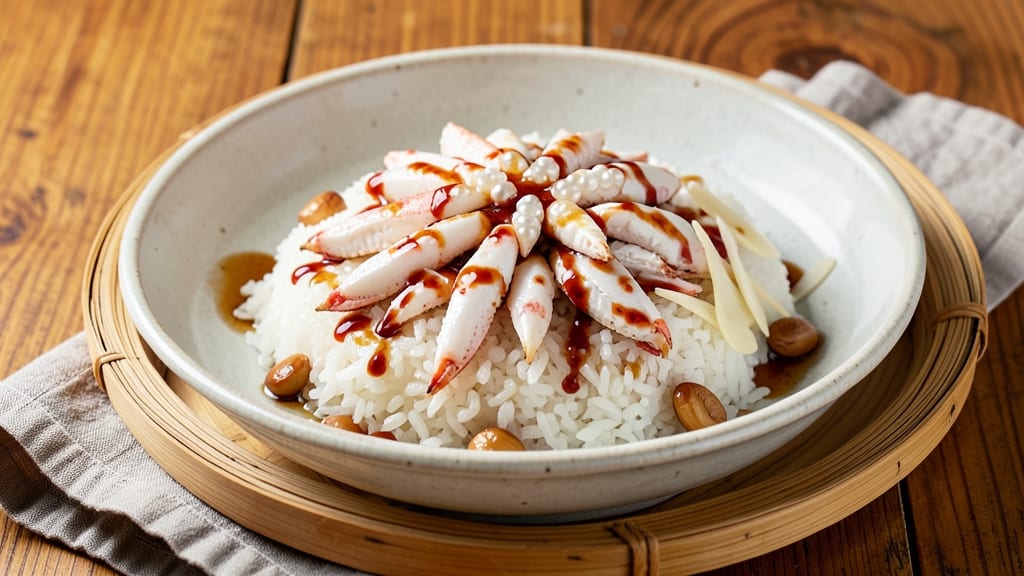
This Chinese crab rice recipe delivers the perfect balance of buttery crab, fragrant jasmine rice, and sweet-spiced aromatics that transport you straight to a bustling Cantonese restaurant. The secret lies in tenderizing the crab just enough to melt into fluffy rice while preserving its delicate sweetness—no tough bites here.
I’ve perfected this dish after years of experimenting with regional techniques, ensuring every bite is rich, aromatic, and restaurant-quality at home.
The magic starts with steamed jasmine rice as the canvas, then layers in a fragrant broth infused with garlic, ginger, and chili oil for depth. Fresh crab (or high-quality substitutes) is poached until just tender, then shredded and folded into the rice for that signature buttery, briny flavor.
Garnish with crisp scallions and a squeeze of lime to brighten the dish—simple touches that elevate it from good to unforgettable. Ready in under 45 minutes, this dish is ideal for special occasions or a luxurious weeknight dinner.
Ingredients for chinese crab rice
Jasmine rice, fresh crab, and fragrant aromatics—this is your Cantonese restaurant shortcut.
| Ingredient | Amount | Notes |
|---|---|---|
| Jasmine Rice 🍚 | 2 cups | Uncooked, long-grain preferred |
| Fresh Blue Crab Meat 🦀 | 1 ½ lb | Backfin or jumbo lump preferred |
| Garlic Cloves 🧄 | 6 cloves | Minced for aromatic base |
| Fresh Ginger Root 🌿 | 2 tbsp | Grated, peeled, fresh preferred |
| Chili Oil 🌶️ | 1 tbsp | Homemade or quality store-bought |
| Light Soy Sauce 🍶 | 2 tbsp | Kikkoman preferred |
| Dark Soy Sauce 🍶 | 1 tbsp | For deeper color |
| Sesame Oil 🫒 | 1 tsp | Toasted, for aroma |
| Cornstarch 🌾 | 1 tbsp | For crab coating |
| Scallions 🧅 | 3 whole | Thinly sliced, for garnish |
| Lime 🍋 | 1 whole | Juiced, for brightness |
| Salt 🧂 | 1 ½ tsp | Kosher or sea salt |
| White Pepper 🌶️ | ½ tsp | Freshly ground |
| Water 💧 | 2 ½ cups | For rice steaming |
| Vegetable Oil 🫒 | 2 tbsp | For crab poaching |
The crab makes or breaks this dish. Blue crab is ideal—look for that vibrant blue shell and sweet, briny meat. If you can't find fresh, canned lump crab from brands like Crown Prince works in a pinch, but drain it well. The rice? Jasmine rice is non-negotiable here—it absorbs the flavors beautifully. For the best texture, rinse it until the water runs clear before cooking. As for the aromatics, fresh ginger and garlic are essential—no powdered shortcuts. I always grab extra ginger because it keeps for weeks in the freezer.
No fresh crab? King crab legs or imitation crab can stand in, though texture will differ. Running short on chili oil? Sichuan peppercorn oil or a pinch of cayenne adds heat. The soy sauces can be swapped for tamari if gluten-free, but keep both light and dark for that classic color. For the cornstarch coating, arrowroot powder works too—just use the same amount. The scallions? Green onions or chives in a bind, but they won't have that same crisp bite. Lime juice can be substituted with lemon or vinegar, though lime's brightness is unmatched.
Rice reheats beautifully—just add a splash of water and steam it again. The crab mixture keeps for 2 days in the fridge, but I recommend making it fresh for maximum tenderness. Store the cooked rice in an airtight container with a damp paper towel to keep it fluffy. The chili oil and sesame oil can be stored for up to 6 months in a cool, dark place. For meal prep, I portion the rice and crab separately—reheat the rice first, then fold in the crab to keep it tender. Garnish with lime and scallions right before serving for that restaurant-fresh finish.
Why You'll Love This Recipe
- One-Pot Magic: I swear by this for lazy nights—just toss the crab, rice, and aromatics in one pan, splash in water, and walk away. No chopping, no stirring every five minutes, and honestly? The rice comes out fluffier than I deserve.
- Umami Bomb: That garlic-ginger chili oil combo? It’s the secret weapon. The crab soaks up the heat and aroma while the rice steams, giving you a dish that’s sweet, spicy, and dangerously addictive without a single sauce to balance.
- Lunchbox Hero: Between us, this is my go-to for meal prep. The rice stays firm for days, the crab holds up surprisingly well (if you cook it just right), and the leftovers taste like a fancy takeout—perfect for packed lunches or last-minute dinner guests.
- Budget Luxury: Fresh crab feels indulgent, but a pound goes a long way here. I’ll be real: I stretch it by mixing in a little chicken or tofu, and the chili oil makes it feel like a splurge without the price tag. Plus, the rice is cheap, so you’re basically eating gourmet on a shoestring.
Step-by-step instructions for sweet-spiced crab rice
Here's how to create fragrant, buttery crab rice with perfect texture and bold flavors.
Prepare the Jasmine Rice
Rinse the 2 cups jasmine rice under cold water until the water runs clear—this removes excess starch that makes rice gummy. Drain thoroughly in a fine-mesh strainer and shake to remove all moisture. Transfer the rice to a large pot and add the 2.5 cups water, 1.5 tsp salt, and 0.5 tsp white pepper. Bring to a boil over high heat, then immediately reduce to low heat, cover tightly, and let simmer for 15 minutes without lifting the lid.
Here's the thing—jasmine rice needs gentle treatment. The tight lid creates steam that cooks the rice evenly, and the low heat prevents burning. You'll know it's done when the liquid is completely absorbed and the rice is tender but still slightly firm to the bite. Let it rest covered for 5 minutes after cooking—this is crucial for even texture.
Create the Crab Poaching Sauce
While the rice cooks, heat the 2 tbsp vegetable oil in a large skillet over medium heat. Add the 6 cloves minced garlic and 2 tbsp grated ginger, cooking for 2 minutes until fragrant but not browned. Add the 1.5 lb fresh blue crab meat, tossing gently to coat in the aromatics for 1 minute.
In a small bowl, whisk together the 1 tbsp cornstarch, 2 tbsp light soy sauce, 1 tbsp dark soy sauce, 1 tsp sesame oil, and 1 tbsp chili oil. Pour this mixture over the crab and stir gently for 2 minutes until the crab turns opaque and the sauce thickens slightly. Remove from heat and let it sit for 1 minute—this resting step ensures the crab stays tender and absorbs all those amazing flavors.
Combine Rice and Crab
Using a rice paddle or large spatula, gently fold the cooked rice into the crab mixture. Work quickly but carefully to avoid breaking the rice grains. You want the crab to be evenly distributed throughout the rice, with each bite offering that perfect balance of buttery crab and aromatic rice.
Here's where it gets fun—sprinkle the juice of 1 whole lime over the mixture and toss gently. The acidity brightens all the flavors and prevents the dish from becoming too heavy. Taste and adjust seasoning if needed—you might want to add a little more soy sauce for saltiness or a touch more lime for brightness.
Garnish and Serve
Transfer the crab rice to a serving platter and let it sit for 2 minutes to allow the flavors to meld. Thinly slice the 3 whole scallions and sprinkle them evenly over the top. The scallions add a fresh, crisp contrast to the rich crab and rice.
Serve immediately while still warm. The rice should be tender with a slight bite, the crab perfectly cooked with a delicate pink center, and the sauce clinging beautifully to each grain. This dish tastes even better the next day, so if you have leftovers, store them in an airtight container in the refrigerator for up to 2 days—just reheat gently with a splash of water to restore moisture.
Pro Tips For Making Chinese Crab Rice
- STEAM RICE SEPARATELY: Don’t mix the crab into the rice pot—cook the jasmine rice first until just tender (about 80% done), then fluff it into a wide, shallow pan. The crab’s moisture will turn rice mushy if you combine them too early. I learned this the hard way after serving a sad, gluey pile.
- TOSS CRAB IN CHILI OIL: Heat the chili oil until it shimmers, then toss the cooked crab meat in it for 30 seconds—just enough to coat. This adds depth without overpowering. Skip this, and your dish tastes like it’s missing something. (Yes, even if you’re impatient like me.)
- MINCE GINGER FINE: Use a microplane or knife to get ginger so fine it nearly dissolves into the sauce. Lumpy ginger screams amateur hour in this dish. My grandmother swore by this, and she was right: it blends seamlessly with the garlic and crab.
- SAVE THE CRAB LIQUOR: Reserve the last ¼ cup of crab cooking liquid (if using fresh) to deglaze the pan after searing garlic and ginger. It’s the secret sauce—salty, briny, and full of flavor that disappears if you pour it down the drain. (Your future self will thank you.)
Dietary considerations for this chinese crab rice
Gluten-Free Adaptations
This dish is naturally gluten-free if you use tamari instead of soy sauce—just swap both light and dark soy sauces for 1/4 cup tamari. I recommend San-J Tamari for its rich umami flavor.
The rest of the recipe remains unchanged, so you get all that buttery crab goodness without gluten concerns. Always check your chili oil label too—some brands contain wheat additives. 🌱
Shellfish Allergies
If crab isn't an option, try shrimp or scallops instead—they work beautifully in this dish. Use 1.5 lbs shrimp, peeled and deveined, or 12 large scallops, seared first for extra flavor. For texture, toss the cooked seafood in 1 tbsp cornstarch before adding to the sauce.
The cooking time reduces to just 3-4 minutes for shrimp or 2 minutes per side for scallops to avoid overcooking.
Vegetarian Options
For a plant-based version, replace crab with mushrooms and tofu—specifically king oyster mushrooms and extra-firm tofu. Sauté 1.5 lbs mushrooms in slices with garlic and ginger, then add 1 block (14 oz) cubed tofu to the sauce.
Press tofu first to remove excess water for better texture. Use 1 tbsp nutritional yeast for that umami depth crab provides. The dish loses some brininess but gains an earthy richness. 💚
Low-Sodium Adjustments
If you're watching sodium, reduce soy sauces to 1 tbsp total and boost flavor with 1 tsp fish sauce (like Red Boat) or 1 tbsp coconut aminos. Add extra lime juice (2 tbsp) and a pinch of white pepper to enhance depth.
The chili oil adds natural saltiness too—don't skip it! For the rice, use low-sodium broth instead of water if available, or just reduce the salt to 1 tsp.
Dairy-Free Notes
This recipe is already dairy-free, but if you're using imitation crab (which often contains dairy), opt for brands like Lund's or Wild Seafood that are dairy-free. For extra richness, stir in 1 tbsp coconut cream when combining rice and crab.
The dish maintains its buttery texture without any dairy components. Always check labels on chili oil too—some contain milk derivatives.
Nutrition facts
Frequently asked questions
Can I use frozen crab instead of fresh in this recipe?
Yes, but thaw it properly first! Place frozen crab in the refrigerator overnight for even thawing. Never microwave it, as this can make the meat tough. Once thawed, pat it dry with paper towels to remove excess moisture before cooking. The texture will be slightly different but still delicious when prepared with the same care as fresh crab.
What's the best way to keep the rice from getting mushy when mixing with crab?
Work quickly and gently when combining! Use a rice paddle or large spatula to fold the rice into the crab mixture, rather than stirring vigorously. Avoid pressing down on the rice grains, which releases starch and causes mushiness. Also, make sure your rice is fully cooked but still slightly firm to the bite before mixing. A 5-minute rest after cooking helps too.
How do I make this dish spicier?
Increase the chili oil to 2 tbsp or add 1 tsp red pepper flakes to the crab sauce. For extra heat, stir in 1 tsp gochujang (Korean chili paste)strong> or a dash of Sichuan peppercorn oil when combining rice and crab. Adjust to taste—start with small amounts and build up.
Can I prepare this ahead of time for a party?
Cook the rice and crab sauce separately, then store them in airtight containers in the fridge for up to 2 days. When ready to serve, reheat the rice gently with a splash of water, then fold in the crab mixture. Garnish with fresh scallions and lime juice just before serving to keep it vibrant. The flavors actually meld better overnight!
What's the difference between this recipe and Hainanese crab rice?
This Cantonese-style version uses a lighter, more aromatic sauce with garlic, ginger, and chili oil, while Hainanese crab rice features a richer, sweeter sauce with coconut milk and sometimes curry powder. The rice is also typically steamed with coconut milk in Hainanese style. Both are delicious—choose based on whether you prefer bold Cantonese flavors or creamy Hainanese richness!