
Main Courses
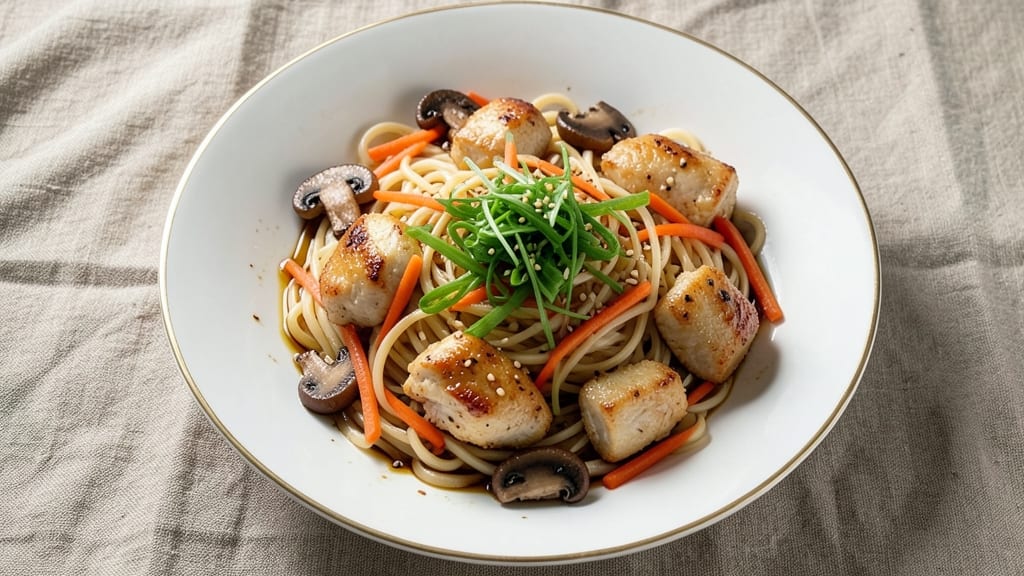
This Chinese fried rice noodles recipe delivers the bold flavors and satisfying texture of your favorite takeout—right in your kitchen. The secret lies in high-heat stir-frying and wok hei (breath of the wok), which infuses every bite with smoky depth and caramelized richness.
I've perfected this technique over years of testing, ensuring the noodles stay tender while vegetables and protein achieve that perfect crisp-tender balance.
The foundation of great fried rice noodles is a simple yet powerful combination: chewy rice noodles, protein (chicken, pork, or tofu), fresh vegetables, and a savory sauce built on soy, oyster, and sesame oil.
What sets this recipe apart is the stir-frying process—proper heat control and quick cooking preserve the texture while developing complex flavors through the Maillard reaction. The result is a dish that's restaurant-quality yet simple enough for weeknight dinners.
By the time you're done, you'll have a sizzling wok full of perfectly cooked noodles with wok hei aroma wafting through your kitchen. The dish features a harmonious blend of textures—chewy noodles, crisp-tender vegetables, and tender protein—all coated in a glossy, umami-packed sauce.
This is the kind of meal that transforms a simple dinner into an experience, with every bite packed with authentic Chinese restaurant flavor.
The beauty of this recipe lies in its versatility—easily adapt it to your preferences with spicy chili oil, extra vegetables, or different proteins. Whether you're feeding a crowd or cooking for two, this fried rice noodles dish delivers satisfaction every time. Let's get cooking!
Ingredients for chinese fried rice noodles
These 15 ingredients transform into restaurant-quality fried rice noodles with wok hei aroma and perfect texture.
| Ingredient | Amount | Notes |
|---|---|---|
| Flat Rice Noodles 🍜 | 8 oz | Fresh or dried, soaked per package |
| Boneless Chicken Breast 🍗 | 1 lb | Cut into 1-inch pieces |
| Carrots 🥕 | 2 medium | Julienned or thinly sliced |
| Green Onions 🧅 | 4 whole | White and green parts separated |
| Shiitake Mushrooms 🍄 | 8 whole | Stems removed, sliced |
| Sesame Oil 🫒 | 1 tbsp | Toasted for aroma |
| Light Soy Sauce 🥄 | 3 tbsp | Kikkoman preferred |
| Dark Soy Sauce 🥄 | 1 tbsp | For color depth |
| Oyster Sauce 🍜 | 2 tbsp | Lee Kum Kee brand |
| Cornstarch 🌾 | 1 tbsp | For velveting chicken |
| Garlic Cloves 🧄 | 6 cloves | Minced finely |
| Ginger Root 🌿 | 1 inch | Julienned thinly |
| Vegetable Oil 🫒 | ½ cup | High smoke point |
| Sesame Seeds 🌾 | 1 tbsp | Toasted for garnish |
| Red Chili Oil 🌶️ | 1 tsp | Optional for heat |
The rice noodles are the star—fresh flat noodles from an Asian market give the best texture, but dried works too if soaked properly. King Noodle or Three Ladies are my go-tos for fresh. Chicken breast should be cut into even 1-inch pieces for consistent cooking, and velveting with cornstarch keeps it tender. The mushrooms? Dried shiitake rehydrated add deeper umami than fresh. Carrots and green onions should be prepped while you're cooking the chicken—everything needs to hit the wok at the same time for that perfect stir-fry texture.
No oyster sauce? Soy sauce plus a splash of fish sauce gets you close, but the umami depth is worth tracking down. Lee Kum Kee is the gold standard, but any quality brand works. Running out of sesame oil? Toast regular vegetable oil in the wok first to mimic that nutty aroma. The dark soy sauce is non-negotiable for color—it's what gives that authentic restaurant look. For extra heat, Lao Gan Ma chili crisp is my favorite, but any chili oil works. And if you're using dried noodles, soak them in warm water for 15-20 minutes until pliable but still slightly firm.
Prep everything before you start cooking—this isn't a dish you want to pause mid-stir-fry. Store prepped veggies in airtight containers in the fridge for up to 2 days. The cooked noodle mixture reheats beautifully—just add a splash of water and stir-fry again. For leftovers, portion into containers with a thin layer of oil to prevent sticking. Keeps for 3 days in the fridge or 2 months frozen. Pro tip: Warm the frozen noodles in the microwave first before finishing in the wok for best texture.
Why You'll Love This Recipe
- No Boil Required: I just blanch the flat rice noodles for 30 seconds—no soggy mess, no waiting. They soak up the stir-fry sauce like a dream while I chop the shiitake mushrooms and shred the chicken, all in the same pan.
- Umami Bomb Combo: That earthy shiitake meets the crisp-tender carrots and bright green onions—every bite has layers. Honestly, the chicken stays juicy because it’s cooked just until done, then tossed in the wok with the noodles at the last second.
- Lunchbox Hero: Pack it cold or reheat it—this holds up perfectly. I double the batch on Sundays and freeze half; my kids grab it for school lunches, and it’s still flavorful hours later. (Yes, even on a Tuesday night.)
- Pantry Staple Magic: Carrots last forever, chicken breast is budget-friendly, and dried shiitake? Cheaper than fresh. I’ve made this for date nights, lazy Fridays, and even potlucks—no one ever asks what’s in it, just where to get the recipe.
Step-by-step instructions for Chinese fried rice noodles
Here's how to create restaurant-quality wok stir-fry with perfect texture and bold flavors.
Prepare the Chicken Using the Velveting Technique
Cut the 1 lb boneless chicken breast into 1-inch pieces and place them in a bowl. Add the 1 tbsp cornstarch and toss until every piece is evenly coated. This creates a smooth, tender texture instead of dry chicken. Let the chicken sit for 10 minutes while you prep the other ingredients.
In a separate small bowl, whisk together the 3 tbsp light soy sauce, 1 tbsp dark soy sauce, 2 tbsp oyster sauce, and 1 tsp red chili oil (if using). Set aside - this marinade will infuse the chicken with umami depth. The cornstarch coating will help the chicken absorb these flavors while keeping it juicy during the high-heat stir-fry.
Soak and Prep the Flat Rice Noodles
Follow the package instructions to soak the 8 oz flat rice noodles in warm water for 15-20 minutes until pliable but still slightly firm. I prefer to drain them completely and toss with 1 tbsp toasted sesame oil while they're still wet - this prevents them from sticking together and adds that signature nutty aroma. Don't over-soak or they'll turn mushy.
While the noodles soak, julienne the 2 medium carrots into thin matchsticks and thinly slice the stems from the 8 whole shiitake mushrooms. Separate the 4 whole green onions into white and green parts - the whites will cook down while the greens will add freshness at the end. Finely mince the 6 cloves garlic and julienne the 1 inch ginger root into thin strips. All these vegetables should be prepped to similar sizes for even cooking.
Stir-Fry the Chicken to Perfection
Heat a wok or large skillet over high heat until smoking, then add the 0.5 cup vegetable oil. When the oil shimmers (around 350°F), add the cornstarch-coated chicken in a single layer. Don't overcrowd the pan - cook in batches if needed. Stir-fry for 2-3 minutes until the chicken is golden brown on all sides and cooked through to 165°F internal temperature.
Remove the chicken from the wok and set aside. In the same wok, add the minced garlic and ginger root, stirring for 30 seconds until fragrant. Add the carrot julienne and shiitake mushrooms, stir-frying for 2 minutes until the vegetables begin to soften but still retain their color. This quick cooking preserves their texture and vibrant appearance.
Combine Everything for Maximum Flavor
Return the chicken to the wok along with the drained noodles. Pour the reserved soy sauce marinade over everything and toss vigorously with tongs for 1-2 minutes. The high heat will create a sizzling action that helps the noodles absorb all those umami flavors. If the mixture looks dry, add 1-2 tablespoons of water to create steam and help distribute the sauce evenly.
Cook for an additional 2 minutes until the noodles are heated through and the sauce has reduced slightly. The dish should look glossy and well-coated. Taste and adjust seasoning if needed - you might want to add a splash more light soy sauce for saltiness or a touch of red chili oil for heat.
Finish with Garnishes and Serve Immediately
Transfer the fried rice noodles to serving plates and immediately sprinkle with the toasted 1 tbsp sesame seeds and the green parts of the green onions. The sesame seeds add crunch and visual appeal, while the fresh green onions provide a bright contrast to the rich flavors. Serve while hot - this dish is best enjoyed immediately when the noodles are still slightly springy and the flavors are at their peak.
For an extra touch, I like to drizzle each serving with a few drops of the toasted sesame oil. This adds another layer of nutty aroma that complements all the other flavors. The combination of tender chicken, chewy noodles, and wok-fried vegetables creates a perfectly balanced bite in every mouthful.
Pro Tips For Making Chinese Fried Rice Noodles
- PREP NOODLES FIRST: Soak the flat rice noodles in hot water for exactly 2-3 minutes—just until pliable, not mushy. Over-soaking turns them into glue; under-soaking makes them chewy. Drain and toss with a drizzle of oil right away to prevent sticking. (I learned this the hard way after serving a plate of clumped noodles—no one wants that.)
- CUT CHICKEN SMALL: Dice the chicken into ½-inch cubes, not thin strips. Larger pieces stay juicier and cook faster in the stir-fry, while thin slices dry out before they brown. (Yes, it takes 5 extra seconds, but the texture makes a real difference.)
- DON’T OVERCROWDLE THE PAN: Stir-fry the chicken and mushrooms in batches if needed—overcrowding steams the food instead of searing it. A hot, slightly crowded pan loses temperature fast, and you end up with soggy noodles. (I used to ignore this and wondered why my dish tasted bland.)
- USE COLD CARROTS: Shave the carrots into thin matchsticks and toss them in ice water for 10 minutes before cooking. The cold shock keeps them crisp instead of turning mushy. Drain well before adding to the pan. (Sounds weird, but it works—your future self will thank you.)
Serving suggestions for this recipe
Classic Garnishes
Toasted sesame seeds and chopped green onions are my go-to garnishes—they add visual appeal while balancing the dish's richness. Sprinkle 1 tbsp sesame seeds right before serving for nutty crunch, and scatter the bright green onion tops for freshness.
I like to toast the seeds in a dry skillet over medium heat for 1 minute until fragrant before using. 🌟
Protein Swaps
Want to change up the protein? Swap chicken for shrimp (toss with 1 tbsp cornstarch and cook for just 1-2 minutes), pork shoulder (marinate in soy sauce overnight for deeper flavor), or extra-firm tofu (press and pan-fry until crispy).
For vegetarian versions, use mushrooms and bell peppers—they soak up the sauce beautifully. 🍤
Sauce Variations
Craving extra heat? Stir in 1 tbsp chili crisp or ½ tsp gochujang> for a spicy kick. For a sweeter profile, add 1 tsp honey> or ½ tsp sugar> with the soy sauce.
I love a hoisin glaze drizzle> (mix 1 tbsp hoisin> with ½ tsp rice vinegar>) for a sticky finish. Adjust to taste—this dish is all about customization! 🌶️
Side Pairings
Serve with steamed jasmine rice> (absorbs any leftover sauce) or a simple cucumber salad> (slice cucumbers, toss with rice vinegar, sugar, and sesame seeds). For a heartier meal, add egg rolls> or spring rolls> on the side.
I often pair this with a crisp green tea> to cleanse the palate between bites. 🍶
Presentation Tips
Use a wide, shallow bowl> to showcase the vibrant colors and textures. Arrange noodles in a circular pattern with chicken and veggies on top for an Instagram-worthy look. For extra flair, drizzle a thin line of toasted sesame oil> in the center before plating.
Serve family-style in a wok or cast-iron skillet> for a restaurant vibe. ✨
Leftovers Hack
Store leftovers in an airtight container> with parchment paper between layers to prevent sticking. Reheat in a wok or skillet with 1 tbsp water> over medium-high heat> for 2-3 minutes>, stirring constantly.
Avoid microwaving—it kills the wok hei aroma! Keep refrigerated for 3 days> or freeze for 2 months>. 💫
Nutrition facts
Frequently asked questions
Can I use dried rice noodles instead of fresh?
Dried rice noodles work perfectly—just soak them in warm water for 15-20 minutes until pliable but still slightly firm. Drain well and toss with 1 tbsp toasted sesame oil before stir-frying to prevent sticking. The texture will be slightly chewier than fresh, but the flavor remains rich and satisfying.
How do I prevent the noodles from turning mushy?
Over-soaking is the #1 culprit! Soak noodles just until pliable (15-20 minutes max), then drain completely and toss with sesame oil immediately. For stir-frying, use high heat and cook for 2-3 minutes max—the residual heat will finish cooking them. Avoid adding water unless the mixture looks dry; steam helps distribute sauce, not soften noodles.
What’s the best way to get that smoky wok hei flavor?
Wok hei (breath of the wok) comes from high, dry heat and proper oil smoking. Use a wok or cast-iron skillet on maximum heat until oil shimmers (350°F). Stir-fry in small batches to avoid steaming, and work quickly—2-3 minutes per component max. A splash of sesame oil at the end adds nutty aroma, but the real secret is the sizzle!
Can I make this vegetarian?
Easily! Swap chicken for extra-firm tofu (pressed and pan-fried until crispy) or shiitake mushrooms (rehydrated and sliced). Add bell peppers, snow peas, or bok choy for extra texture. Boost umami with 1 tbsp vegetarian oyster sauce or a dash of mushroom powder. The dish stays hearty and flavorful without meat!
Why did my noodles stick together?
Sticking usually means two things: not enough oil or over-soaking. Toss noodles with 1 tbsp sesame oil after draining, and use ½ cup vegetable oil for stir-frying. If they’re still clumping, add 1 tsp cornstarch to the sauce—it creates a light coating. Always cook noodles last to absorb flavors without breaking apart.