
Side Dishes
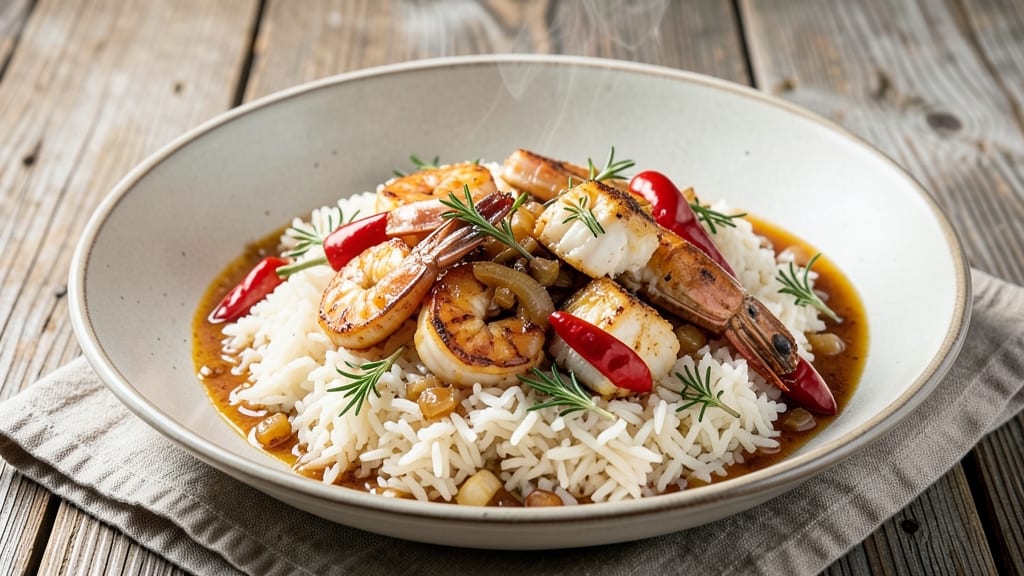
Jamaican seafood rice transforms a simple one-pot dish into a flavor-packed centerpiece that balances heat, coconut richness, and tender seafood. The secret lies in slow-cooked spices like thyme and Scotch bonnet, which infuse every grain of rice and every bite of shrimp. I developed this recipe after years of perfecting the balance between bold Jamaican flavors and perfectly tender seafood—no shortcuts, just authentic results.
What sets this dish apart is the one-pot method, where rice, seafood, and aromatic spices simmer together into a cohesive, fragrant meal. The rice emerges fluffy yet firm, while the shrimp stays juicy and infused with the spice blend.
Serve it with fried plantains or coleslaw to complete the Caribbean experience. This is the kind of dish that turns a weeknight into a celebration.
Ingredients for jamaican seafood rice
Authentic Jamaican flavors meet tender seafood in this aromatic one-pot masterpiece.
| Ingredient | Amount | Notes |
|---|---|---|
| Long-Grain White Rice 🍚 | 2 cups | Uncooked, medium-grain preferred |
| Large Shrimp 🦐 | 2 lb | Peeled, deveined, tails on |
| Thyme Leaves 🌿 | 1 tbsp | Fresh, finely chopped |
| Scotch Bonnet Pepper 🔥 | 1 whole | Seeds removed, finely chopped |
| Coconut Milk 🥥 | 2 cans | Full-fat, 13.5 oz each |
| Onion 🧅 | 1 whole | Yellow, finely diced |
| Garlic Cloves 🧄 | 6 cloves | Fresh, minced |
| Tomato 🍅 | 2 whole | Ripe, diced |
| Bay Leaves 🍃 | 2 whole | Fresh or dried |
| Salt 🧂 | 1 ½ tsp | Fine sea salt, adjust to taste |
| Black Pepper 🌶️ | 1 tsp | Freshly ground |
| Olive Oil 🫒 | ¼ cup | Extra-virgin, for sautéing |
| Scallions 🌱 | 4 whole | Green parts only, chopped |
The Scotch bonnet pepper is non-negotiable for authentic Jamaican heat—use gloves when handling, as it packs 100,000 Scoville units. Penzeys Spices carries pre-seeded peppers, saving time. For the shrimp, wild-caught is ideal, but farmed shrimp works if properly thawed. The coconut milk should be full-fat—light versions lack the rich, creamy texture. Thyme leaves are best freshly chopped for vibrant aroma, though dried thyme at one-third the amount suffices in a pinch.
No Scotch bonnet? Habanero or jalapeño can substitute, but expect milder heat. Canned diced tomatoes work if fresh are unavailable, but San Marzano tomatoes provide superior sweetness. For a vegetarian twist, replace shrimp with extra-firm tofu or portobello mushrooms, simmered until tender. The bay leaves should be fresh if possible, but dried bay leaves at half the quantity maintain flavor. Scallions add brightness—green onions work in a bind, though they’re less delicate.
This dish shines when made ahead—flavors deepen overnight in the fridge. Store in an airtight container for up to 5 days, reheating gently on the stovetop with a splash of water. For freezing, portion into 1-cup increments and thaw in the refrigerator for 12-24 hours. The rice texture may soften slightly upon reheating, but the shrimp remains juicy and flavorful. Always reserve 1/2 cup coconut milk for the final stir to prevent curdling.
Why You'll Love This Recipe
- Here’s what sold me: I make this on Sundays, and it’s still my favorite meal by Wednesday. The rice gets even better the next day, and the shrimp? Just as tender. I freeze portions in single-serving cups, so I can grab one for lunch without defrosting a giant container. Game over for takeout.
- One-Pot Magic: I love that this dish requires just one pot—no extra pans, no fuss. The shrimp and rice cook together in that same coconut milk bath, so I’m not juggling multiple dishes while the kids yell for snacks. Honestly, the only cleanup is my pot and a fork, and that’s it.
- Coconut Cream & Heat: The coconut milk gives it this luscious, velvety texture, while the Scotch bonnet pepper and thyme leaves add depth that’s chef’s kiss. That first bite? Creamy, spicy, and just sweet enough from the tomatoes—it’s like a tropical vacation in a bowl, no passport required.
- Leftover Hero: Here’s what sold me: I make this on Sundays, and it’s still my favorite meal by Wednesday. The rice gets even better the next day, and the shrimp? Just as tender. I freeze portions in single-serving cups, so I can grab one for lunch without defrosting a giant container. Game over for takeout.
Step-by-step instructions for Jamaican seafood rice
Master this vibrant one-pot dish where aromatic spices and tender shrimp transform simple rice into a flavorful masterpiece.
Sauté the Aromatic Base
Heat the ¼ cup olive oil in a heavy-bottomed pot over medium heat. Add the 1 finely diced onion and cook for 5 minutes until translucent and slightly golden. This foundational step develops sweetness that carries through the entire dish.
Add the 6 minced garlic cloves and 1 finely chopped Scotch bonnet pepper (seeds removed), stirring constantly for 1 minute until fragrant. The Scotch bonnet's heat will build gradually, so don't rush this step. Add the 1 tbsp finely chopped thyme leaves and 2 bay leaves, stirring for 30 seconds to release their essential oils. You're building layers of flavor that will infuse the rice perfectly.
Toast the Rice and Add Tomatoes
Increase heat to medium-high and add the 2 cups long-grain white rice, stirring to coat each grain in the aromatic oil. Toast for 2 minutes until the rice becomes slightly translucent at the edges. This crucial step prevents mushy rice by developing a light crust that holds its shape.
Add the 2 diced tomatoes and cook for 3 minutes until they soften and break down into the rice. The tomatoes will release their juices, creating a rich base for the coconut milk. Stir in the 1½ tsp salt and 1 tsp black pepper, ensuring even distribution throughout the rice mixture.
Simmer with Coconut Milk and Shrimp
Pour in the 2 cans coconut milk, stirring well to combine with the rice. Bring to a gentle boil, then reduce heat to low, cover the pot, and simmer for 15 minutes. After the initial simmer, check the liquid level—it should just cover the rice. If it's too dry, add ¼ cup water to maintain proper moisture.
After 15 minutes, add the 2 lb peeled, deveined shrimp (tails on) and 4 chopped scallions (green parts only). Gently fold the shrimp into the rice mixture, being careful not to break them. Cover and continue simmering for an additional 10 minutes on low heat. The shrimp should cook through completely, turning opaque and curling slightly at the edges.
Rest and Fluff to Perfection
Once the shrimp are fully cooked and the rice is tender (you should be able to pierce a grain easily with a fork), remove the pot from heat. Let it rest, covered, for 5 minutes. This resting period allows the rice to absorb any remaining liquid and develop a perfect texture.
After resting, fluff the rice gently with a fork, being careful not to overmix. The shrimp should be evenly distributed throughout, and the rice should be tender with a slight bite at the center. Taste and adjust seasoning if needed—you may need a pinch more salt to balance the coconut milk's richness. Serve immediately with lime wedges for brightness.
Pro Tips For Making Jamaican Seafood Rice
- TOAST THE RICE RIGHT: That 2-minute toast isn’t just busywork—it’s what keeps your rice from turning into glue. I used to skip it, and the result was always sad, sticky grains. Get the heat to medium-high and stir constantly until the edges look just slightly translucent. This builds that perfect crust that holds shape even after simmering in coconut milk.
- CHOP THAT SCOTCH BONNET SMALL: I learned this the hard way—big chunks of Scotch bonnet mean uneven heat and bitter pockets. Finely chop that pepper until it’s almost paste-like, then stir it into the onions and garlic while they cook. The heat will distribute evenly, giving you that bright, consistent kick without any harsh surprises.
- DON’T DROWN THE SHRIMP: Shrimp cook in seconds, but if you add them too early, they’ll turn rubbery before the rice finishes. Wait until those 15 minutes of simmering are up, then fold them in gently—just enough to coat them in the coconut rice. Cover and simmer for the full 10 minutes, or you’ll end up with overcooked shrimp swimming in dry rice.
- SALT THE TOMATOS TOO: You’re salting the rice after adding tomatoes, but that’s too late—they need flavor infusion. Toss the diced tomatoes with a pinch of salt (about ¼ tsp) before stirring them into the rice. This jumpstarts their breakdown and ensures every bite has depth, not just at the edges. Trust me, the first time I forgot, the dish tasted flat.
Storing and reheating this jamaican seafood rice
Fridge Storage Tips
Let your Jamaican seafood rice cool to room temperature for 30 minutes before transferring to an airtight container—I use Pyrex glass containers for even reheating. Store in the fridge for up to 5 days, where the flavors actually deepen overnight.
The coconut milk creates a protective layer that keeps the rice moist and the shrimp juicy. 🥥
Freezer Prep
For long-term storage, divide the rice into 1-cup portions using flat freezer bags. I like quart-sized bags from Rubbermaid because they stack neatly. Freeze for up to 3 months—the shrimp stays tender, though the rice may soften slightly. Label each bag with the date to track freshness.
Reheating Like a Pro
Stovetop is your best friend for reheating. Add ¼ cup water or coconut milk to prevent dryness, then heat on medium-low for 10 minutes, stirring occasionally.
The residual heat from the rice will gently warm the shrimp without overcooking. Taste and adjust salt—coconut milk can make flavors more subtle after chilling. 🔥
Microwave Shortcuts
For quick lunches, use a microwave-safe dish with a damp paper towel covering the top. Heat on 50% power in 2-minute intervals, stirring between each.
The shrimp should reach 145°F internal temperature—use a thermometer to check. Add a splash of water if it looks dry, but avoid over-soaking the rice.
Reviving Texture
If the rice seems too soft after reheating, sprinkle ½ tsp cornstarch mixed with water over the top and stir gently. The starch absorbs excess moisture while adding a subtle chew. For extra richness, drizzle with a little extra-virgin olive oil before serving—it brings back that Jamaican vibrancy. ✨
Nutrition facts
Frequently asked questions
Why does this recipe call for toasting the rice before adding liquid?
Toasting the rice in the aromatic oil creates a light crust on each grain, which prevents it from turning mushy during cooking. This step is essential for achieving that perfect fluffy yet firm texture that makes Jamaican seafood rice so satisfying. The 2-minute toast at medium-high heat develops the starches just enough to hold its shape while absorbing flavors beautifully.
Can I use frozen shrimp instead of fresh or thawed shrimp?
Yes, but you'll need to thaw it properly first! Pat the shrimp completely dry with paper towels after thawing to remove excess moisture, which can make the rice watery. Add the shrimp only after the rice has simmered for 15 minutes—this ensures they cook perfectly without releasing too much liquid into the dish.
What if I don’t have Scotch bonnet pepper? What’s the best substitute?
A Habanero pepper works well, though it’s slightly milder. For a milder heat option, use jalapeño, but expect less authentic Jamaican kick. If you’re avoiding heat entirely, remove the pepper entirely and add ½ tsp extra salt to compensate for the missing flavor depth.
How do I prevent the rice from sticking to the bottom of the pot?
Always use a heavy-bottomed pot for even heat distribution. After adding the rice, stir constantly for the first 2 minutes to ensure every grain gets coated in oil. If you notice sticking later, simply add ¼ cup extra water during the simmering phase to create steam that loosens the rice.
Can I make this dish ahead of time and reheat it?
Flavors actually improve after chilling. Store in an airtight container for up to 5 days, reheating gently on the stovetop with a splash of water. For freezing, portion into 1-cup servings and thaw in the fridge for 12-24 hours—this preserves the shrimp’s juiciness while keeping the rice tender.