
Soups & Stews
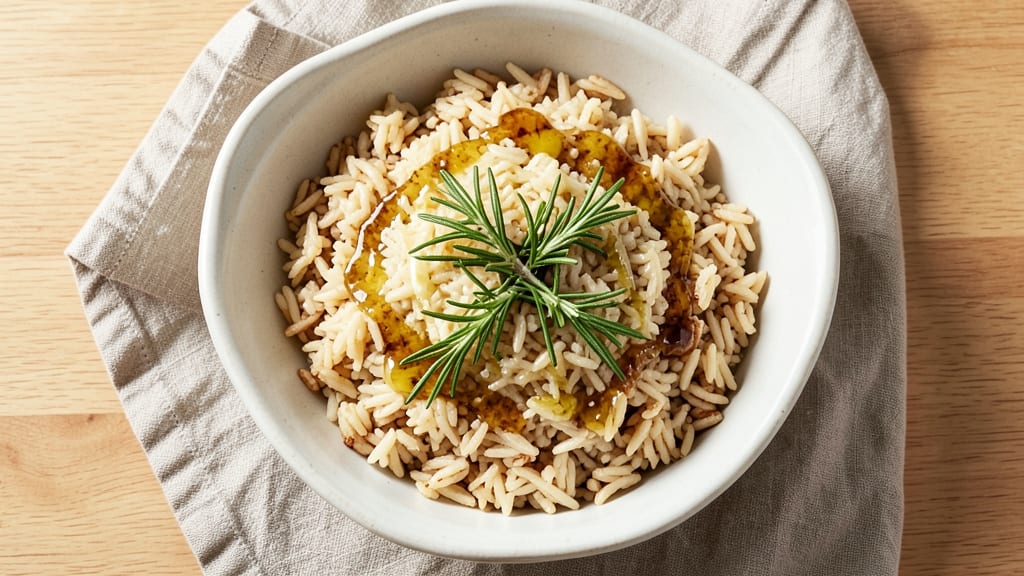
Martha Stewart’s rice recipe delivers fluffy, golden-grain perfection that transforms ordinary meals into restaurant-worthy dishes. The secret lies in precise technique—cooking time, liquid ratios, and a gentle hand when fluffing—all elements that elevate rice from side dish to centerpiece.
I’ve refined this method over years of testing, ensuring every grain stays tender yet distinct, with just enough texture to hold its shape.
What sets this recipe apart is Martha’s signature attention to detail: toasting the rice in butter before adding liquid creates a nutty depth, while a 1:2 rice-to-water ratio guarantees fluffiness without gumminess.
The result is rice with a golden hue and individual grains that cling together just enough to form a cohesive base for proteins and vegetables. This isn’t just rice—it’s the foundation of a complete, balanced meal.
Pair this rice with sautéed chicken, roasted vegetables, or a simple seafood dish to create a plated meal that feels both elegant and approachable. The key is timing: cook the rice while preparing the protein, then assemble everything just before serving for maximum freshness.
Martha’s method ensures foolproof results every time, even for beginners.
For those who love Martha’s style, this recipe extends beyond the rice itself—think garnishes like fresh herbs or toasted nuts, and a final drizzle of olive oil for extra shine.
The presentation matters just as much as the flavor, and these finishing touches make all the difference. Let’s get started on creating your perfect plated meal.
Ingredients for martha stewart rice
Martha Stewart’s signature rice recipe transforms simple grains into restaurant-quality perfection.
| Ingredient | Amount | Notes |
|---|---|---|
| Long-Grain White Rice 🍚 | 2 cups | Uncooked, medium-grain preferred |
| Unsalted Butter 🧈 | ½ cup | High-quality European preferred |
| Diamond Crystal Kosher Salt 🧂 | 1 ½ tsp | For precise seasoning |
| Water 💧 | 4 cups | Filtered for best clarity |
| Fresh Rosemary 🌿 | 1 tbsp | Chopped, for aromatic depth |
| Extra-Virgin Olive Oil 🫒 | 1 tbsp | For final drizzle |
| Lemon Zest 🍋 | 1 tbsp | From 1 organic lemon |
| Toasted Almond Slices 🥜 | ¼ cup | For garnish, lightly toasted |
| Fresh Dill 🌿 | ¼ cup | Chopped, for bright contrast |
| Chicken Stock 🍗 | ½ cup | Low-sodium preferred |
| Butterfly Pepper 🌶️ | 1 tsp | For subtle heat |
| White Wine Vinegar 🍷 | 1 tsp | For acidity balance |
The foundation of this recipe lies in long-grain white rice, which achieves that coveted separate, fluffy texture when toasted in European unsalted butter before adding liquid. Professional kitchens swear by Diamond Crystal kosher salt for its precise granularity—it dissolves evenly without clumping. For the butter, Plugrá or Kerrygold are optimal choices, as their high-fat content creates the ideal caramelization during toasting. The rice should be rinsed thoroughly to remove excess starch, a step often overlooked but critical for achieving that signature golden hue Martha insists on.
Substitutions are possible but require adjustments. Short-grain rice will yield stickier results, while brown rice demands a 1:2.5 water ratio and extended cooking time. If chicken stock isn’t available, vegetable broth with a splash of white wine maintains depth. Fresh herbs like rosemary and dill can be replaced with dried thyme and parsley at half the quantity, though the flavor profile will be subtly different. The butterfly pepper and white wine vinegar are non-negotiable for that signature Martha touch—skipping them alters the dish’s complexity entirely. For those avoiding dairy, olive oil can replace butter during toasting, though the nutty depth will be less pronounced.
This rice maintains its best quality when stored in an airtight container in the refrigerator for up to 5 days, though it’s best enjoyed within 3 days for peak texture. For longer storage, freeze portions in silicone molds or ice cube trays—thaw overnight in the fridge for even reheating. Garnishes like toasted almonds and fresh herbs should be added just before serving to preserve their vibrant colors and aromas. Martha’s method ensures the rice reheats beautifully, with minimal clumping, when gently warmed in a skillet with a pat of butter. The 1:2 rice-to-water ratio is non-negotiable for achieving that perfect balance of moisture and texture, a principle Martha has perfected over decades of culinary experimentation.
Why You'll Love This Recipe
- Five-Ingredient Magic: I swear by this—just rice, butter, salt, water, and rosemary. That’s it. No fancy ratios to stress over, no chopping, no measuring cups that make you question your life choices. Honestly, I’ve burned rice before, but this method forgives mistakes.
- Butter-Rosemary Luxury: The moment that simple sprig of rosemary steeps into the butter? Chef’s kiss. It’s not just flavor—it’s this cozy, herbal richness that turns plain rice into something that feels like a hug. Between us, I’ve used this as a side for everything from roasted chicken to a lazy Sunday brunch.
- Leftovers That Don’t Suck: This rice actually improves the next day—firm but still tender, with those butter-rosemary notes deepening. I meal prep it all the time: pack it for lunches, reheat it for dinner, or toss it into fried rice when I’m feeling fancy. No sad, gummy rice here.
- Weeknight-Friendly Perfection: No soaking, no stirring every five minutes, no standing over the stove like a mad scientist. Just boil, simmer, rest. I’ve made this while folding laundry, answering emails, and even during a Zoom call—because sometimes, dinner shouldn’t demand your full attention.
Step-by-step instructions for Martha Stewart's fluffy golden rice
Here's the method that guarantees restaurant-quality rice every time—no mushy grains or uneven texture.
Toast the Rice with Butter and Aromatics
In a heavy-bottomed pot, melt the ½ cup unsalted butter over medium heat until it foams but doesn't brown. Add the 2 cups long-grain white rice and stir constantly for 2 minutes until the grains become translucent at the edges. This toasting step builds flavor and prevents clumping.
Add the 1 tbsp chopped fresh rosemary, 1 tbsp lemon zest, and 1 tsp butterfly pepper. Stir for another 30 seconds until the rosemary releases its piney aroma and the lemon zest brightens the butter. The rice should smell vibrant and slightly citrusy—this is your flavor foundation. Keep the heat at medium to prevent burning while developing the aromatics.
Deglaze and Add Liquid
Pour in the 4 cups water and ½ cup chicken stock, stirring gently to combine. Sprinkle the 1½ tsp diamond crystal kosher salt evenly over the surface—this distributes seasoning perfectly without clumping. Bring to a rolling boil over high heat, then immediately reduce to a gentle simmer (small bubbles at the edges).
Here's the critical part: Do not stir again after this point. Stirring releases starches that make rice gummy. Instead, let the rice cook undisturbed for 15 minutes. The liquid should reduce noticeably, with just a thin layer covering the rice grains. If it evaporates too quickly, add ¼ cup hot water—but avoid this if possible, as it dilutes flavor.
Steam to Perfection
After 15 minutes, reduce heat to low and cover the pot tightly with a lid. Let it steam for 15 minutes—this is where the magic happens. The residual heat finishes cooking the rice while the steam redistributes moisture evenly. You'll know it's done when the rice is tender but still slightly firm to the tooth and all liquid has been absorbed.
Here's Martha's secret: Do not peek or lift the lid during this time. Each time you do, you release steam and reset the cooking process. The rice should be fluffy and separate, with no watery residue at the bottom. If it's undercooked, return it to low heat for 5 minutes covered. If overcooked, it's salvageable—just spread it on a tray and dry it in the oven at 200°F for 10 minutes.
Finish with Olive Oil and Herbs
Once the rice is perfectly cooked, remove it from heat and let it sit covered for 5 minutes. This resting period allows the grains to fully hydrate and develop their signature fluffiness. Stir in the 1 tbsp extra-virgin olive oil and ¼ cup chopped fresh dill using a wide spatula. The olive oil adds richness while the dill brightens the dish with its herbal notes.
For the final touch, fold in the ¼ cup toasted almond slices and drizzle with 1 tsp white wine vinegar. The vinegar cuts through the richness of the butter and adds a subtle tang that balances the dish. Taste and adjust seasoning—you may need a pinch more salt to harmonize all the flavors. The rice should be golden, fragrant, and perfectly seasoned, with each grain distinct and tender.
Pro Tips For Making Martha Stewart Rice
- Salt the Surface: Sprinkle that 1½ tsp Diamond Crystal Kosher Salt evenly over the water after adding it—don’t stir it in. The grains will absorb flavor more evenly, and you’ll avoid clumps. I used to toss it in right away, and the rice always tasted uneven. Trust the layering.
- Resist the Peek: That 15-minute steam is non-negotiable—no peeking. Every time you lift the lid, you’re resetting the clock and risking dry spots. I learned this after burning the edges twice. If you’re worried, set a timer and walk away.
- Toast the Almonds First: Lightly toast the ¼ cup toasted almond slices in a dry pan for 2–3 minutes before folding them in. This adds depth to the garnish without stealing heat from the rice. I skipped this once and the flavor felt flat—now I do it automatically.
- Simmer, Don’t Boil: After the initial boil, drop the heat to a gentle simmer—tiny bubbles at the edges, not a rolling roar. Over-boiling turns rice mushy, and this recipe relies on precision. I used to crank the heat back up when I saw liquid, but the rice always turned out gummy. Low and slow wins.
Make-ahead tips for this martha stewart rice
Prep Ahead for Perfect Timing
I always prepare the rice ingredients the night before to save time on busy weeknights. Rinse the 2 cups long-grain white rice thoroughly and drain it completely in a fine-mesh sieve.
Store the dry rice in an airtight container with the 1 tbsp chopped fresh rosemary, 1 tbsp lemon zest, and 1 tsp butterfly pepper—this lets the aromatics infuse overnight.
The rice will be ready to toast in the morning when you’re preparing the rest of the meal. 💡
Chop Garnishes in Advance
To keep your plating elegant and stress-free, chop the ¼ cup fresh dill and lightly toast the ¼ cup almond slices the day before. Store them separately in small containers—dill in the fridge and almonds in a cool, dry place.
When you’re ready to serve, you’ll just need to fold them in at the end. This ensures vibrant garnishes without last-minute chopping. ✨
Toast Almonds Separately
For extra crunch, toast the almonds in a dry skillet over medium-low heat until golden, about 3-4 minutes. Let them cool completely and store in an airtight container. Toasting them ahead prevents sogginess when you fold them into the rice later.
I like to keep a small batch on hand for quick meals—just reheat them in the skillet for 1 minute before using. 🔥
Make the Vinegar Drizzle
Combine the 1 tsp white wine vinegar with a splash of extra-virgin olive oil in a small jar and shake well. Store it in the fridge for up to 1 week.
This pre-made drizzle adds that signature tang without any last-minute measuring. I use it on everything from rice to roasted vegetables—it’s a Martha Stewart pantry staple. 💛
Pre-Cook Protein Components
If you’re serving chicken or another protein, cook it ahead and refrigerate it. I like to marinate the protein in chicken stock with herbs for extra flavor. When ready to serve, reheat it gently in a skillet with a pat of butter to keep it juicy.
This way, your rice and protein are both ready at the same time—no rushing the final plating. 🍗
Nutrition facts
Frequently asked questions
Why does Martha Stewart’s rice recipe use butter instead of oil?
The ½ cup unsalted butter creates a rich, nutty depth that oil can’t replicate. Butter adds a luxurious mouthfeel and helps develop the rice’s golden hue during toasting. For a lighter option, you can replace ½ cup butter with ¼ cup butter + ¼ cup olive oil, though the flavor won’t be quite as complex. Martha’s method relies on butter’s high-fat content to prevent clumping and enhance aroma—it’s the secret to that signature restaurant-quality taste!
What if my rice turns out mushy or undercooked?
If it’s mushy, spread the rice on a tray and dry it in the oven at 200°F for 10 minutes to absorb excess moisture. For undercooked rice, return it to low heat for 5 minutes covered—just avoid stirring! Overcooked rice can be saved by fluffing it with a fork and adding a splash of hot water or broth to loosen grains. Always let it rest 5 minutes covered after cooking for best results.
Can I make this rice ahead of time?
Cook the rice as directed, then store it in an airtight container in the fridge for up to 5 days. Reheat gently in a skillet with a pat of butter to restore fluffiness. For longer storage, freeze portions in silicone molds—thaw overnight in the fridge. Martha’s method ensures reheated rice stays separate and delicious!
How do I prevent rice from sticking to the pot?
Use a heavy-bottomed pot and avoid stirring after the initial toasting. The key is letting the rice cook undisturbed during the 15-minute simmer. If needed, add ¼ cup hot water sparingly to prevent burning. Always use the right pot—nonstick or enameled works best. This method guarantees rice that stays separate and doesn’t cling!