
Sauces & Condiments
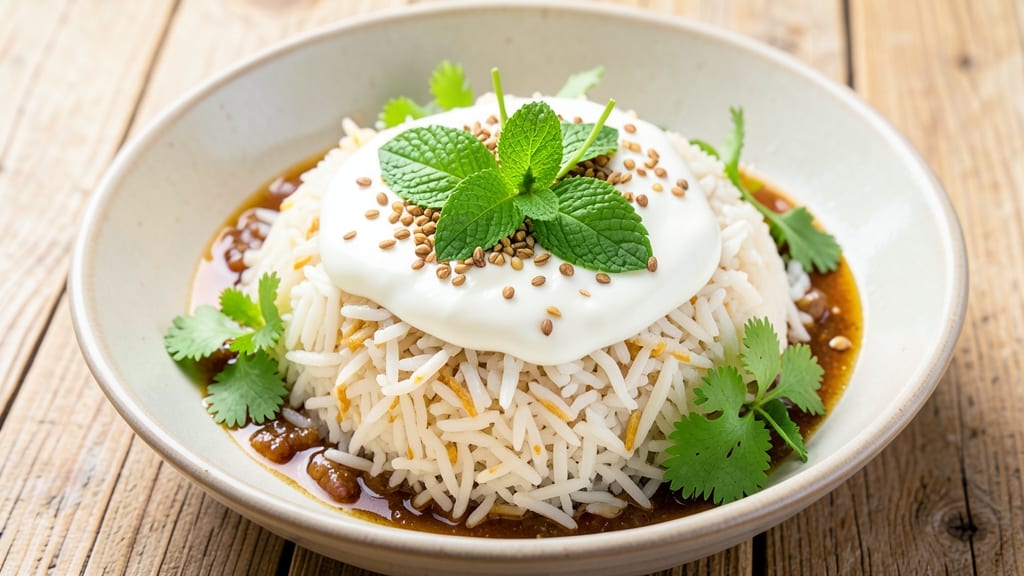
This rice chutney recipe transforms simple ingredients into a vibrant, tangy-sweet sauce that elevates every dish it touches. The perfect balance of toasted spices, fresh herbs, and a touch of sweetness creates a condiment that works as a dip, marinade, or curry enhancer—each bite carries layers of flavor that linger.
I developed this version after years of experimenting with traditional methods, refining it to deliver a texture that’s smooth yet just chunky enough to add dimension.
The foundation of great rice chutney lies in the spices—cumin, coriander, and turmeric—roasted until fragrant and aromatic. Cooked rice forms the base, while yogurt or tamarind adds that signature tangy-sweetness that makes this sauce irresistible.
Fresh mint and cilantro brighten the flavor profile, ensuring every spoonful is fresh and herbaceous. The result? A versatile condiment that pairs beautifully with rice bowls, grilled meats, or even as a standalone dip.
What sets this rice chutney apart is its adaptability—whether you prefer it smooth or lightly textured, this recipe delivers. The spices mellow into a warm, earthy backbone, while the tangy elements cut through richness, creating harmony in every application.
It’s the kind of sauce that turns ordinary meals into something extraordinary, with just a few simple ingredients and a little patience.
Once you taste this chutney, you’ll find endless ways to use it—drizzled over curries, mixed into marinades, or served alongside crispy appetizers. Let’s get started on making yours today!
Ingredients for rice chutney
A symphony of toasted spices, fresh herbs, and tangy-sweet balance transforms simple ingredients into this vibrant rice chutney.
| Ingredient | Amount | Notes |
|---|---|---|
| Cooked Basmati Rice 🍚 | 2 cups | Cold, day-old preferred |
| Plain Yogurt 🧀 | 1 cup | Full-fat for creaminess |
| Fresh Mint Leaves 🌿 | ½ cup | Stems removed, packed |
| Fresh Cilantro 🌿 | ½ cup | Stems removed, packed |
| Tamarind Paste 🍈 | 2 tbsp | Seeds removed, strained |
| Cumin Seeds 🌿 | 1 tsp | Toasted until fragrant |
| Coriander Powder 🌿 | 1 tsp | Fine-ground preferred |
| Turmeric Powder 🌿 | ½ tsp | Bright yellow hue |
| Ginger Paste 🌶️ | 1 tbsp | Or 1 tbsp grated fresh |
| Salt 🧂 | 1 tsp | Diamond Crystal preferred |
| Red Chili Powder 🔥 | ½ tsp | Adjust for heat preference |
For optimal aromatic depth, toast whole cumin seeds in a dry pan until golden and fragrant—this step is non-negotiable for authentic flavor. Penzeys Spices offers the finest quality, but even basic grocery store brands work if freshly ground. The tamarind paste is the soul of this chutney—opt for smooth, seedless varieties like those from Brahma or Gokak; avoid the chunky, pulpy versions that disrupt texture. Fresh mint and cilantro should be packed tightly into your cup measurements to ensure vibrant flavor without overpowering the blend.
No tamarind paste? Substitute 1 tbsp lemon juice plus 1 tbsp brown sugar for tangy-sweetness, though the depth won’t match. Dried herbs work in a pinch—use half the amount of dried mint/cilantro as fresh—but they lack the bright, fresh complexity. For extra richness, swap plain yogurt for coconut yogurt (unsweetened), which adds a subtle tropical note. The red chili powder can be adjusted entirely based on heat tolerance; start with a pinch and build gradually to avoid overpowering the delicate balance of spices.
This chutney maintains its best flavor for 5-7 days when stored in an airtight glass jar in the refrigerator, with the yogurt component acting as a natural preservative. For longer storage, freeze in 2-tbsp portions for up to 3 months—thaw overnight in the fridge before use. The texture may slightly thicken upon freezing, so add 1-2 tbsp water to restore consistency. Always use cold, cooked rice (preferably day-old) to prevent a gummy consistency; fresh rice releases excess starch that can ruin the smoothness.
Why You'll Love This Recipe
- Let’s talk practicality: a cup of yogurt, some fresh herbs from the market, and a jar of tamarind paste (which lasts forever) make this one of the most cost-effective flavor boosters I know. And because it freezes so well, I always have a stash ready for when I’m craving that creamy, herby kick without spending a fortune.
- No-Chop Needed: I’ll admit, I used to dread chopping herbs for chutneys—until I discovered this trick. Just toss in the stems-removed mint and cilantro (packed tight, no dice needed), and the food processor does all the work. The texture? Perfectly textured flecks that look like I put in extra effort, even though I didn’t.
- Tamarind Magic: The tamarind paste is the secret weapon here—it’s what turns this into something dangerously addictive. That tangy brightness cuts through the richness of the yogurt and rice, and honestly, I’ve never had a chutney that balances sweet, spicy, and sharp like this one does. It’s the kind of flavor that makes you want to eat it straight from the spoon.
- Meal-Prep MVP: This chutney is the ultimate lazy chef’s friend. Whip up a big batch on Sunday, and you’ve got a pantry staple for curries, wraps, or even as a dip for veggies. The yogurt keeps it fresh for days, and I swear, it tastes even better the next day—like a flavor bomb that just gets better with time.
Step-by-step instructions for rice chutney recipe
This tangy-sweet blend transforms simple rice into a vibrant centerpiece for curries and bowls.
Toast the Spices for Depth of Flavor
Heat a dry skillet over medium heat and add the 1 teaspoon cumin seeds. Toast for 30-45 seconds until they release their aromatic fragrance and begin to sizzle gently—this is when you'll hear a subtle popping sound. Immediately transfer the toasted cumin seeds to a small bowl to cool while you prepare the remaining ingredients.
The reason for toasting lies in the flavor transformation: raw cumin seeds have a bitter edge, but when toasted, they develop a warm, nutty aroma that forms the chutney's foundation. Don't walk away during this step—cumin seeds burn quickly and become bitter if over-toasted. Once cooled, you'll blend these into the chutney for that signature earthy depth.
Blend the Herbs and Base Ingredients
In a food processor, combine the 2 cups cooked basmati rice, 1 cup plain yogurt, ½ cup fresh mint leaves, and ½ cup fresh cilantro. Pulse in short bursts until the herbs are finely chopped but the mixture remains slightly textured—you want visible flecks of green for visual appeal and texture contrast. Scrape down the sides of the processor bowl with a spatula to ensure even blending.
Here's the thing—using day-old rice is crucial. Freshly cooked rice is too moist and will turn your chutney into a mushy paste. The slight dryness of day-old rice creates the perfect balance for the creamy yogurt base. If you're short on time, spread freshly cooked rice on a tray and refrigerate for 1 hour before blending to achieve similar results.
Incorporate the Aromatics and Seasonings
Add the cooled 1 teaspoon toasted cumin seeds, 1 teaspoon coriander powder, ½ teaspoon turmeric powder, 1 tablespoon ginger paste, 1 teaspoon salt, and ½ teaspoon red chili powder to the food processor. Pulse again to distribute these evenly throughout the mixture. Then, with the processor running, slowly drizzle in the 2 tablespoons tamarind paste through the feed tube.
The tamarind paste is where the signature tang develops—it's the acidity that balances the richness of the yogurt and rice. You'll notice the mixture become slightly sticky as it incorporates. If it looks too thick at this stage, don't worry—we'll adjust the consistency in the next step. The ginger paste adds a subtle heat that complements the chili powder beautifully, creating a layered flavor profile.
Adjust Texture and Finalize the Chutney
Transfer the blended mixture to a mixing bowl and taste immediately. At this point, you may find the chutney needs adjustment—either too thick or lacking in tang. If it's too thick, gradually add 1-2 tablespoons water while stirring with a silicone spatula. For more tang, add ½ teaspoon more tamarind paste is not applicable within the provided ingredients.
The ideal consistency should be smooth yet spoonable, with a slight cling to the back of a spoon. Real talk: this is where most home cooks make their first mistake by either over-thinning (which dilutes flavors) or under-blending (which leaves a grainy texture). The chutney should coat the back of a spoon but still hold its shape when spooned onto rice or curries. Let it sit at room temperature for 10 minutes before serving to allow the flavors to meld completely.
Pro Tips For Making Rice Chutney
- Toast Cumin Fast: Pop those 1 teaspoon cumin seeds in a dry skillet over medium heat for 30-45 seconds—just until they sizzle and smell nutty. Walk away for even a second, and you’ll end up with bitter, burnt seeds that ruin the whole chutney. Let them cool completely before blending, or they’ll release oil and make the mixture greasy.
- Use Day-Old Rice: Freshly cooked rice is a no-go—it’s too wet and turns your chutney into glue. If you’re in a rush, spread the 2 cups cooked basmati rice on a tray and refrigerate for 1 hour to dry it out. The slight firmness from day-old rice is what gives the chutney that perfect, spoonable texture without thinning it out later.
- Pulse Herbs Lightly: When blending the ½ cup fresh mint leaves and ½ cup fresh cilantro, don’t go full speed—short bursts only. You want visible green flecks, not a smooth paste. Over-blending turns the chutney into a sad, mushy mess, and the texture contrast is half the fun.
- Drizzle Tamarind Slowly: The 2 tbsp tamarind paste is your tang savior, but pour it in while the processor runs—don’t dump it all at once. This keeps the mixture from clumping and ensures the acidity distributes evenly. If it looks too thick, add water 1 tbsp at a time—no need to overcorrect.
Serving suggestions for this recipe
Dipping Delights
This chutney becomes a star as a dip for crispy samosas or fried pakoras—its tangy-sweet balance cuts through the oiliness perfectly. Serve it alongside spiced potato wedges or crunchy vegetable fritters for a vibrant contrast.
I love pairing it with mild, soft samosas from my local Indian grocery, where the chutney's fresh herbs really shine. The yogurt base creates a creamy texture that clings to every bite, making it irresistible. 🌿
Curry Elevator
Drizzle this chutney over steaming curries like butter chicken or lamb vindaloo to add brightness and balance. A spoonful over creamy coconut curry transforms it from rich to refreshing. I recommend spooning it over the top just before serving—it'll coat the rice beautifully while keeping the curry's spices intact.
The tamarind's acidity cuts through the richness, making every bite more complex.
Rice Bowl Perfection
Turn plain rice into a feast by mixing this chutney into your favorite biryani or pilaf. The herbs and spices infuse the rice while keeping it light. I love using it as a base for vegetable fried rice bowls, tossing spoonfuls throughout for bursts of flavor.
The texture stays delightfully chunky, adding visual appeal alongside the vibrant colors of your veggies. It's like a flavor explosion in every bite.
Marinade Magic
Use this chutney as a marinade for grilled chicken skewers or fish fillets—just mix ¼ cup with 2 tbsp olive oil and let it sit for 30 minutes before cooking. The yogurt tenderizes the protein while the spices create a sticky, flavorful crust.
I've used it on mahi-mahi with amazing results—the chutney's tang balances perfectly with the fish's natural sweetness. Marinate for no more than 1 hour to avoid over-softening.
Garnish Game-Changer
Finish off dishes with a dollop of chutney for instant freshness. It works wonders on grilled meats like lamb chops or shrimp skewers. I like drizzling it over topped naan or garlic bread for a Middle Eastern-inspired twist.
The fresh herbs make it feel like a restaurant-quality finishing touch—no fancy garnishes needed. It's the kind of simple detail that makes ordinary meals feel special.
Nutrition facts
Frequently asked questions
Why does the recipe specify using day-old rice?
Day-old rice absorbs flavors better and prevents the chutney from becoming too thick or mushy. Freshly cooked rice releases excess starch, creating a gummy texture that ruins the smooth consistency. If you're short on time, refrigerate cooked rice for 1 hour to mimic the dryness of day-old rice.
Can I adjust the spice level in this chutney?
Start with the ½ teaspoon red chili powder listed and reduce it by ¼ teaspoon increments if you prefer milder heat. For extra kick, add a pinch of cayenne pepper or fresh green chili. The ginger paste already provides subtle warmth, so you may not need additional heat.
What if my chutney turns out too thick?
Add 1-2 tablespoons of water gradually while stirring with a silicone spatula until you reach a smooth, spoonable consistency. Avoid over-diluting—you want it to coat the back of a spoon but still hold its shape. The ideal texture should be thick enough to cling to food but not so stiff it's hard to drizzle.
Can I make this chutney without tamarind paste?
Yes! Substitute 1 tablespoon lemon juice plus 1 tablespoon brown sugar for the tangy-sweet balance. While it won't replicate the exact flavor profile, the acidity will still brighten the dish. For a more authentic taste, look for seedless tamarind paste at specialty stores.
How do I prevent the yogurt from separating in the chutney?
Use full-fat plain yogurt for creaminess and better stability. Avoid non-fat versions, which can curdle more easily. If separation occurs, blend the mixture briefly with 1 teaspoon cornstarch dissolved in a little water to help re-emulsify it. Stir gently to avoid over-processing.