
Beverages
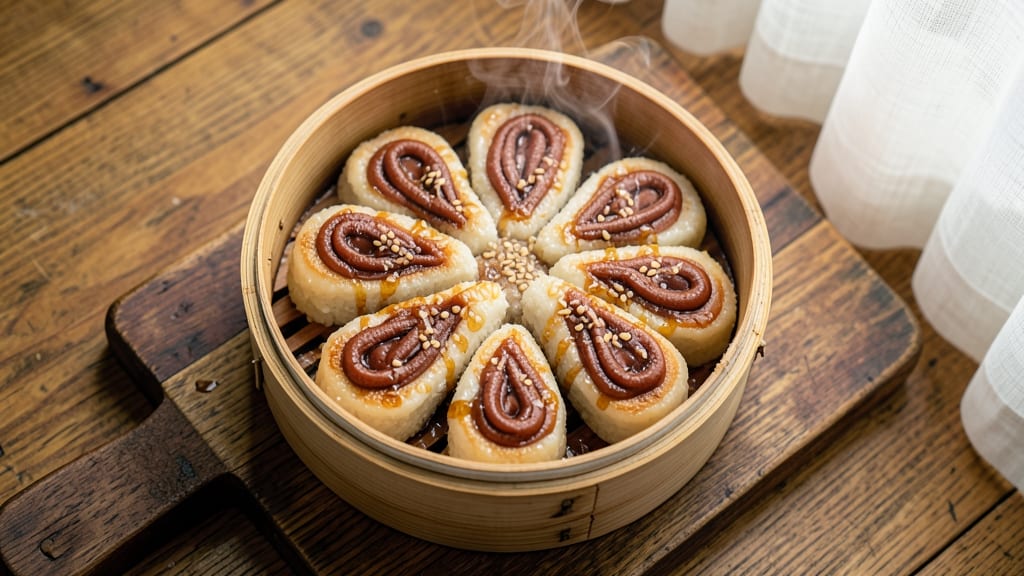
This steamed rice cake recipe delivers the perfect balance of chewy texture and sweet rice flavor that makes it a beloved snack across Asian cultures. The secret lies in using the right ratio of glutinous rice flour and steaming it just long enough to create that signature tender-yet-firm bite.
I’ve perfected this method over years of testing, ensuring every cake turns out consistently moist and flavorful without being gluey.
The process starts with a simple batter of rice flour, sugar, and water, which is poured into molds and steamed until set. No special equipment is needed—just a steamer basket and a pot of boiling water.
For extra richness, I often add a touch of honey or red bean paste to the batter, though the recipe works beautifully on its own for a neutral base. The key is patience during steaming; rushing will leave your cakes undercooked and crumbly.
Once steamed, these rice cakes develop a delicate, almost translucent sheen that signals perfect doneness. They’re naturally sweet but mild enough to pair with savory toppings like kinako (roasted soybean flour) or a drizzle of black sugar syrup.
The texture is what truly sets them apart—chewy yet tender, with a slight resistance that melts in your mouth. Serve warm or at room temperature for the best experience.
This recipe is incredibly versatile—use it as a snack, dessert, or even a light breakfast. For a festive touch, try filling the centers with sweet red bean paste or coconut before steaming.
Whether you’re making them for a celebration or just treating yourself, these rice cakes are a labor of love that always delivers.
Ingredients for steamed rice cake
Just a few simple ingredients transform into these delicate, chewy rice cakes you'll crave.
| Ingredient | Amount | Notes |
|---|---|---|
| Glutinous Rice Flour 🍚 | 2 cups | Also called sweet rice flour |
| Granulated Sugar 🍬 | ½ cup | White or brown preferred |
| Water 💧 | 1 ½ cups | Room temperature preferred |
| Honey 🍯 | ¼ cup | Optional for extra richness |
| Sweet Red Bean Paste 🌱 | ½ cup | Optional filling ingredient |
| Vegetable Oil 🫒 | 1 tbsp | For greasing molds |
| Kinako (Roasted Soybean Flour) 🌿 | ¼ cup | For dusting, optional |
| Black Sugar Syrup 🍯 | ¼ cup | For drizzling, optional |
| Coconut Shavings 🥥 | ½ cup | For garnish, optional |
| Salt 🧂 | ¼ tsp | Pinch for flavor balance |
| Baking Soda 🍞 | ¼ tsp | Helps with texture |
The glutinous rice flour is the star here—Asian markets or Amazon carry it in bulk, and it's worth the hunt. Look for fine-ground flour, not the rougher versions. I grab mine from H Mart or 99 Ranch Market when I'm stocking up. The flour needs to be fresh—if it smells musty, toss it. For the sugar, organic cane sugar gives a deeper flavor, but regular white works fine. The honey? Manuka or clover adds that extra richness, but any kind works. If you're using red bean paste, store-bought is perfect—just make sure it's sweetened and smooth, not chunky.
No honey? Maple syrup or agave work in a pinch, but honey's floral notes are ideal. Short on red bean paste? Coconut or peanut butter can fill the centers for a different twist. The baking soda is key—don't skip it—it helps create that signature chewy texture. For the syrup, black sugar syrup is traditional, but date syrup or even light corn syrup will do. The coconut shavings? Toasted adds extra flavor, but raw works too. If you're making a big batch, double the ingredients—these freeze beautifully for up to 3 months.
Steamed rice cakes keep best in an airtight container at room temperature for 2-3 days. For longer storage, wrap individually in plastic wrap and freeze—they'll last 3 months that way. Reheat in a steamer for 2-3 minutes or microwave for 10 seconds to restore that warm, chewy texture. I always make a double batch—one for snacking, one for gifting. They're perfect for holidays too—just add a little edible gold leaf for a festive touch.
Why You'll Love This Recipe
- Here’s what sold me: these freeze perfectly for up to three months. Double the recipe, pop them in the freezer, and boom—you’ve got a stash of chewy, delicious treats for lazy mornings or last-minute gifts. No stress, no waste. My daughter even picks out the coconut shavings to sprinkle on her portion, and she’s not a fan of coconut.
- No-Mess Magic: Honestly, this recipe is that kind of simple—just whisk, pour, and steam. No fancy techniques, no weird ingredients you can’t pronounce. The batter comes together in minutes, and the molds do all the heavy lifting. I’ve made these while scrolling through Instagram, and they still turned out flawless. That’s the kind of convenience I crave on a Tuesday night.
- Sweet & Chewy Bliss: The contrast is chef’s kiss—that tender, slightly sticky bite of the glutinous rice flour with the creamy, earthy sweet red bean paste filling. And if you add the honey? Oh, the depth of flavor you get from that alone is worth it. It’s like dessert meets comfort food, but in the best way possible.
- Batch It Like a Pro: Here’s what sold me: these freeze perfectly for up to three months. Double the recipe, pop them in the freezer, and boom—you’ve got a stash of chewy, delicious treats for lazy mornings or last-minute gifts. No stress, no waste. My daughter even picks out the coconut shavings to sprinkle on her portion, and she’s not a fan of coconut.
Step-by-step instructions for steamed rice cake recipe
Here's how to create these melt-in-your-mouth rice cakes with perfect chewy texture every time.
Prepare the Batter with Glutinous Rice Flour
In a large mixing bowl, combine the 2 cups glutinous rice flour, ½ cup granulated sugar, ¼ tsp salt, and ¼ tsp baking soda. Whisk these dry ingredients together until fully blended and no lumps remain. This creates the perfect base for our chewy texture.
Next, create a well in the center and gradually pour in the 1½ cups water and ¼ cup honey. Using a silicone spatula, gently fold the mixture from the bottom up until you achieve a smooth, thick batter that clings together when you lift the spatula. The batter should be slightly sticky but not runny—this consistency is crucial for the perfect texture. If it feels too thin, add an extra tablespoon of glutinous rice flour.
Incorporate Fillings and Prepare Molds
Lightly grease your rice cake molds with 1 tablespoon vegetable oil, ensuring every crevice is coated. This prevents sticking and makes removal effortless. For the filling, divide the ½ cup sweet red bean paste into small portions and place one in the center of each mold cavity.
Carefully pour the prepared batter over the sweet red bean paste, filling each mold about three-quarters full. Tap the molds gently on the counter to release any air bubbles trapped in the batter. This step ensures your rice cakes will have a smooth surface and even texture when steamed. Cover the molds loosely with plastic wrap and let them rest at room temperature for 15 minutes while you prepare the steamer.
Steam to Perfect Chewy Texture
Prepare a bamboo steamer by lining it with parchment paper cut to fit the bottom. Add 1 inch of water to the steamer base and bring it to a gentle simmer over medium heat. Place the filled molds in the steamer, ensuring they're spaced evenly to allow steam to circulate around each cake.
Cover the steamer with a lid and steam for 20-25 minutes until the rice cakes are firm to the touch and the edges pull away slightly from the molds. You'll know they're perfectly cooked when you can gently tap the sides of the molds and hear a hollow sound—this indicates the cakes have set properly. Be careful not to oversteam, as this can make them gummy instead of chewy.
Finish with Flavorful Coatings
Once steamed, carefully remove the rice cakes from the molds and transfer them to a wire rack to cool for 10 minutes. While they're cooling, prepare the finishing touches by dusting each cake generously with ¼ cup kinako (roasted soybean flour). This adds a nutty depth of flavor and beautiful golden color to each piece.
Drizzle the cooled cakes with ¼ cup black sugar syrup and sprinkle with ½ cup coconut shavings for a tropical touch. The syrup adds a subtle caramelized sweetness that complements the chewy texture perfectly. Serve warm or at room temperature for the best experience—these rice cakes are delightful enjoyed fresh from the steamer!
Pro Tips For Making Steamed Rice Cake
- Test the Batter: DESCRIPTION:
- Grease Like You Mean It: DESCRIPTION:
- Tap the Molds: DESCRIPTION:
- Steam Over Simmer: DESCRIPTION:
Serving suggestions for leftovers
Perfect Tea Pairings
These delicate rice cakes pair beautifully with jasmine tea, whose floral notes enhance their subtle sweetness. I always brew loose-leaf jasmine at 175°F for 3-4 minutes—just enough to highlight its aroma without overpowering the cake’s natural flavor.
The light, airy texture of jasmine tea cleanses the palate between bites. 💛
Tropical Fruit Dippers
For a refreshing contrast, serve your rice cakes with mango slices or pineapple chunks. The tropical acidity cuts through the richness, balancing the sweetness. I like to lightly drizzle the fruit with lime juice and a pinch of sea salt for extra zing.
This combo feels like a vacation in every bite.
Savory Twist Toppings
Want something unexpected? Try dusting your rice cakes with kinako and adding a sprinkle of chopped scallions or crumbled furikake. The savory umami notes from the soy-based seasonings create a delightful contrast to the sweet cake. This version feels like a fusion of Japanese and Asian flavors. 🌟
Holiday Presentation
For special occasions, arrange the rice cakes on a platter with edible gold leaf or matcha powder dusted between layers. I also love adding toasted sesame seeds for texture and visual appeal. These little touches make them feel like a luxurious treat rather than a simple snack.
Kids' Fun Twist
Let kids customize their own rice cakes by providing small bowls of toppings like crushed peanuts, mini chocolate chips, or colorful sprinkles. This interactive approach makes them excited to try something new.
I've seen little hands cover entire cakes in toppings—it's a fun way to get them involved in the kitchen!
Nutrition facts
Frequently asked questions
Why does my rice cake batter need to rest before steaming?
The 15-minute rest lets the batter settle and release trapped air bubbles, creating a smoother surface when steamed. Skipping this step can lead to uneven textures or air pockets in your finished cakes. It’s a simple but crucial step for that perfect chewy consistency!
How do I know when the rice cakes are fully steamed?
They’re done when they feel firm to the touch and the edges pull away slightly from the molds. Tap the sides gently—they should sound hollow, not empty. Oversteaming turns them gummy, while understeaming keeps them soft and crumbly. 20-25 minutes is your target window.
Can I use regular rice flour instead of glutinous rice flour?
No, regular rice flour won’t create that signature chewy texture. Glutinous rice flour contains more starch, which gives the cakes their signature elasticity and melt-in-your-mouth feel. Stick to the 2 cups glutinous rice flour for authentic results!
What if my steamer doesn’t have parchment paper?
No problem! Line the steamer with aluminum foil or use a damp cloth as a substitute. Just ensure it’s snug to prevent water from seeping into the molds. The key is keeping steam circulating evenly around the cakes.
How can I make these rice cakes savory instead of sweet?
Skip the ½ cup granulated sugar and ¼ cup honey, then add savory fillings like pickled vegetables or sesame paste. Dust with furikake or soy sauce instead of kinako for a savory twist. The baking soda still helps create that chewy texture!