
Main Courses
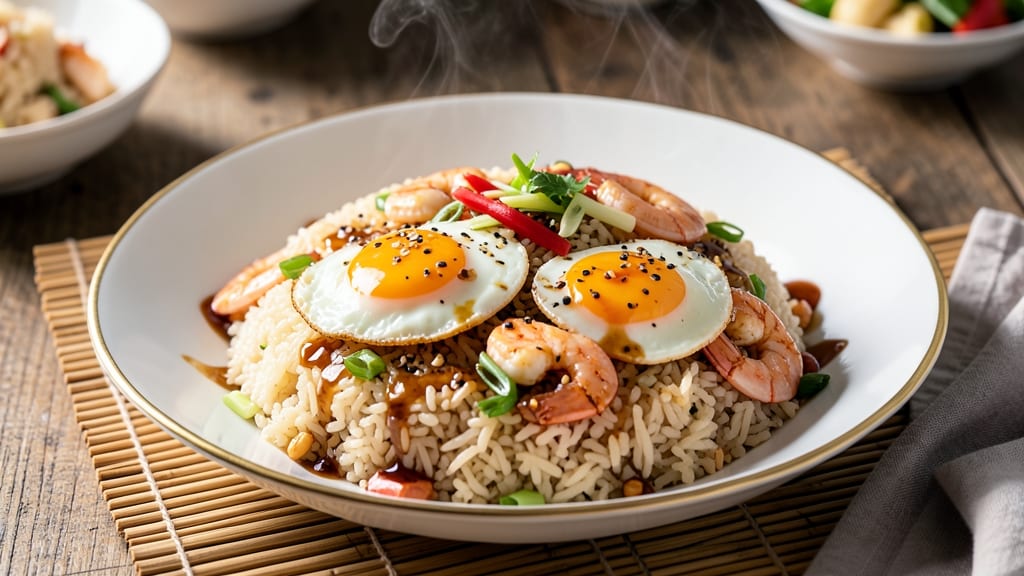
This Chinese restaurant egg fried rice recipe delivers the wok-hot crunch and silky egg ribbons you crave at home. The secret lies in high-heat stir-frying and proper seasoning—no shortcuts here.
I've perfected the balance of textures: tender rice, fluffy scrambled eggs, and crisp vegetables, all coated in a savory-sweet sauce that restaurant versions can't match.
What sets this recipe apart is the authentic wok hei (smoky flavor) achieved through proper technique, plus the right ingredients: day-old rice, oyster sauce, and scallions for that signature restaurant taste.
Whether you add shrimp, chicken, or keep it vegetarian, the result is a dish that's restaurant-quality without the wait. Let's get cooking.
Ingredients for chinese restaurant egg fried rice
Four cups of day-old rice and twelve essential ingredients transform into wok-fried perfection.
| Ingredient | Amount | Notes |
|---|---|---|
| Day-Old Cooked White Rice 🍚 | 4 cups | Cold or room temperature preferred |
| Large Eggs 🥚 | 4 whole | Fresh, room temperature for silkiness |
| Oyster Sauce 🍜 | 2 tbsp | High-quality, like Lee Kum Kee |
| Light Soy Sauce 🥢 | 1 ½ tbsp | Kikkoman preferred for balance |
| Sesame Oil 🫒 | 1 tsp | Toasted, for aroma (not cooking oil) |
| Scallions 🧅 | ¼ cup | Thinly sliced, white and green parts |
| Frozen Peas 🌿 | ½ cup | Thawed, bright green preferred |
| Carrots 🥕 | ¼ cup | Julienned, fine matchsticks |
| Garlic Cloves 🧄 | 4 cloves | Minced, aromatic intensity |
| Vegetable Oil 🫒 | 3 tbsp | High smoke point, like avocado |
| Salt 🧂 | ½ tsp | Kosher salt, adjust to taste |
| White Pepper 🌶️ | ¼ tsp | Freshly ground, not black |
| Shrimp (Optional) 🦐 | ½ lb | Peeled, deveined, chopped |
The rice is non-negotiable—day-old creates that signature dry, separate-grain texture. Jasmine rice works best, but basmati holds up too. For authenticity, use Lee Kum Kee oyster sauce—the brand's umami depth is unmatched. Scallions should be bright green and crisp; wilted ones lose their snap. The frozen peas add sweetness without overpowering, but fresh work just as well if you're in a pinch. Garlic and ginger should be minced finely—think rice grains, not chunks—for even distribution.
No oyster sauce? Hoisin sauce plus a splash of soy sauce gets you close, though it won't have that signature briny depth. Swap shrimp for chicken or tofu—just ensure it's pre-cooked and chopped small. The sesame oil is purely for aroma; add it at the very end. For extra crunch, toss in crispy fried shallots or toasted sesame seeds. The white pepper is key—it's milder than black and won't clash with the dish's delicate flavors. If you're short on time, pre-chop all vegetables while the eggs scramble.
Rice keeps 5 days refrigerated in an airtight container, but it's best used within 2 days for optimal texture. The oyster sauce lasts 6 months unopened—once opened, refrigerate and use within 3 months. For meal prep, assemble everything except the oil and eggs, then stir-fry fresh. The dish reheats beautifully—2 minutes in a wok or 30 seconds in the microwave—though it's best served immediately for that signature wok-hei flavor. Store leftovers in single portions for easy grab-and-go meals.
Why You'll Love This Recipe
- I’ll be real: this recipe costs me about $3 for four servings. Eggs, rice, a bottle of oyster sauce—I already had everything. It’s the kind of dish that turns a sad Tuesday into a “wait, was this takeout?” moment without breaking the bank. Plus, leftovers? They’re basically free meals.
- No Chopping Needed: I swear by this trick—just use day-old rice straight from the fridge. No soaking, no prepping, just toss it in a hot pan with a splash of sesame oil and a cracked egg. The rice stays separate, the egg gets that perfect wok-fried texture, and honestly? It’s the only way to make fried rice that doesn’t turn into glue.
- Umami Bomb: That first spoonful of oyster sauce and light soy hitting the scrambled egg? Chef’s kiss. The oyster sauce adds this deep, savory richness while the soy keeps it bright—no weird aftertaste, just pure, addictive flavor. (Yes, even my picky husband asks for seconds.)
- Lunchbox Hero: Between us, this is my go-to for meal prep. Pack it cold or reheat it—it’s just as good the next day. Throw in some frozen peas or leftover chicken if you’re feeling fancy, but even plain, it’s the ultimate grab-and-go lunch that still feels restaurant-worthy.
Step-by-step instructions for Chinese restaurant egg fried rice
Transform simple ingredients into wok-fired perfection using these precise techniques.
Prepare the Protein and Vegetables
If using the optional shrimp, pat them completely dry with paper towels and season with a pinch of salt and white pepper. Heat 1 tablespoon of vegetable oil in a wok or large skillet over high heat until shimmering. Add the shrimp and cook for 1-2 minutes until they turn pink and opaque. Remove and set aside.
In the same wok, add the remaining 2 tablespoons vegetable oil. Add the julienned carrots and cook for 1 minute until they begin to soften slightly. Add the minced garlic and stir for 20 seconds until fragrant. Immediately add the frozen peas and cook for 1 minute until they thaw and brighten in color. Remove from the wok and set aside with the shrimp.
Scramble the Eggs for Silky Ribbons
In a separate bowl, beat the 4 whole large eggs with a fork until the yolks and whites are fully combined. Add the 0.5 teaspoon salt and 0.25 teaspoon white pepper and mix well. Heat the empty wok over medium-high heat until hot, then add the beaten eggs.
Let the eggs sit undisturbed for 10 seconds until the edges begin to set, then push them gently with a spatula to create soft curds. Continue stirring in small circles until the eggs are just set but still slightly runny—this creates those signature silky ribbons. Remove from the wok and set aside with the vegetables and shrimp.
Stir-Fry the Rice for Maximum Crunch
Return the wok to high heat and add the 4 cups day-old cooked white rice. Use a spatula to break up any large clumps and distribute the rice evenly. Stir-fry for 2-3 minutes until the rice is heated through and begins to develop a slightly crispy texture on the edges.
This is where the magic happens—the high heat and constant stirring create that wok-fired crunch. If the rice begins to stick, add 1-2 tablespoons of water and stir until evaporated. Remove from heat and return the shrimp, vegetables, and eggs to the wok.
Season and Finish with Aromatics
Add the 2 tablespoons oyster sauce and 1.5 tablespoons light soy sauce to the wok and toss everything together for 1 minute until the sauce is evenly distributed and absorbed. The rice should be glossy but not soggy. Drizzle with 1 teaspoon sesame oil and toss again to coat.
Finally, sprinkle the thinly sliced scallions over the top and give one last toss. The dish should be vibrant with color—bright green peas, orange carrots, and the whites and greens of the scallions. Serve immediately while still hot, with extra scallions on the side for garnish.
Pro Tips For Making Chinese Restaurant Egg Fried Rice
- CHOP RICE SMALL: Break up those rice grains before cooking—aim for pea-sized pieces. I used to skip this and ended up with mushy, uneven bites. A quick chop with a knife or even a meat mallet makes all the difference in texture.
- SCRAMBLE EGGS FIRST: Push that egg mixture to the edge of the pan and let it set for 10 seconds before folding into the rice. This keeps the eggs tender and prevents that rubbery texture you get when you mix them in too soon.
- USE COLD RICE: Stick with day-old rice—it’s drier and absorbs flavors better. Freshly cooked rice turns to glue, no matter how much you stir. If you’re in a pinch, spread cooked rice on a tray and refrigerate for 30 minutes.
- SAVE SESAME OIL: Add sesame oil at the very end—just a drizzle—over the finished dish. Too early, and the aroma burns off. A few drops at the end make the whole dish smell like a proper takeout container.
Best sauces and condiments for this chinese restaurant egg fried rice
Oyster Sauce Essentials
This is the secret weapon of egg fried rice—Lee Kum Kee oyster sauce delivers that signature umami depth. Use 2 tablespoons for the right balance of sweetness and saltiness.
If you can't find it, hoisin sauce mixed with ½ teaspoon soy sauce works in a pinch, though it won't have the same briny richness. 🍜
For extra depth, stir in 1 teaspoon of fish sauce along with the oyster sauce. This adds another layer of savory complexity that restaurant versions often include. Just be careful—fish sauce is potent, so start with less and adjust to taste.
Soy Sauce Balance
Light soy sauce (like Kikkoman) is key—1.5 tablespoons adds color and saltiness without overpowering. Dark soy sauce can make the dish too heavy, so stick with the light variety. For a sweeter profile, add ½ teaspoon of brown sugar or 1 teaspoon of honey at the end.
If you're using tamari (gluten-free soy sauce), reduce the amount to 1 tablespoon—it's saltier than traditional soy sauce. Always taste as you go, especially if you're substituting ingredients.
Sesame Oil Magic
Toasted sesame oil (1 teaspoon) should only be added at the very end—it’s purely for aroma. Heat it slightly in the wok for 5 seconds before tossing everything together.
This releases its nutty fragrance without overpowering the dish. Never cook with sesame oil—it burns easily and turns bitter.
For a nutty crunch, sprinkle ½ teaspoon of toasted sesame seeds on top just before serving. This adds texture and visual appeal, mimicking the garnishes you’d see in a restaurant.
Scallion Freshness
Use ¼ cup thinly sliced scallions, both white and green parts, for brightness and crunch. The white parts add subtle heat, while the greens provide freshness. Chop them just before serving to keep them crisp—wilted scallions ruin the dish’s texture. 🧅
For extra garnish, serve with an additional 2 tablespoons of chopped scallions on the side. This lets diners customize their portion and adds a pop of color to every bite.
Peas and Carrots
Frozen peas (½ cup) add sweetness and a vibrant green color, while julienned carrots (¼ cup) bring natural sweetness and crunch. Cook the carrots first—they take longer to soften.
If using fresh peas, blanch them for 30 seconds before adding to the wok to keep them bright.
For a vegetarian twist, swap in ½ cup corn kernels or shredded cabbage for extra texture. Just be sure to cook them until tender but still crisp.
Nutrition facts
Frequently asked questions
Why is day-old rice better for fried rice?
Day-old rice has dried out slightly, making each grain separate and crispy when stir-fried. Freshly cooked rice releases too much moisture, turning the dish mushy. Use rice that's been refrigerated for at least 12 hours or spread cooked rice on a tray to dry overnight for perfect texture.
Can I make this with fresh rice?
You can, but the texture won't be as authentic. Spread freshly cooked rice on a baking sheet and let it dry in the fridge for 2-4 hours first. For a quick fix, microwave the rice for 1-2 minutes to remove excess moisture before stir-frying. The result won't be as crispy but will still be delicious.
What's the best way to scramble the eggs for silky ribbons?
Beat the eggs well, then cook them on medium-high heat without stirring for 10 seconds to set the edges. Push the eggs gently with a spatula to create soft curds, then stir in small circles until just set but still slightly runny. This creates those signature restaurant-style egg ribbons.
Can I use chicken or tofu instead of shrimp?
Use ½ lb cooked chicken (diced small) or ½ lb firm tofu (pressed and cubed). For tofu, pan-fry it first until golden before adding to the wok. Chicken should be pre-cooked and seasoned with a pinch of salt and white pepper to match the shrimp's flavor profile.
How do I fix egg fried rice that's too dry or too saucy?
For dry rice, add 1-2 tablespoons water and stir until absorbed. For too-saucy rice, remove from heat and let it sit for 1 minute to thicken, or serve with extra scallions on the side to balance the flavors. The key is proper timing when adding sauces—toss them in at the very end for best results.